Anatomy
Showing 277–288 of 678 results
-
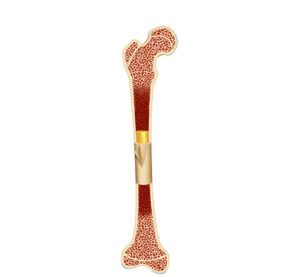
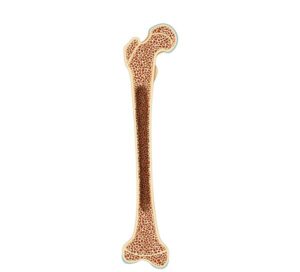
Internal anatomy of the femur
24,50 € Add to basketInternal structure of the femur. It highlights anatomical features such
as the bone marrow, the femoral neck, the bone trabeculae, and the
proximal and distal epiphyses. This diagram provides an overview of
the internal structure of the femur, with biomechanics and blood cells
production playing a fundamental role.


-
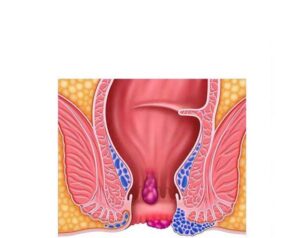
Internal and external hemorrhoids
24,50 € Add to basketInternal and external hemorrhoids. Dilation and inflammation of
the veins of the rectum and anus that cause bleeding, pain, and itching
and protrusions, being common in adults and associated with
constipation, straining during bowel movements, and unhealthy habits. -
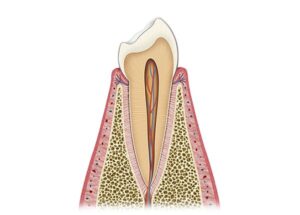
Internal dental structure
24,50 € Add to basketThe internal structure of the tooth consists of enamel,
dentin, and pulp. These layers work together to protect
the tooth, enable chewing, and transmit sensory stimuli. -
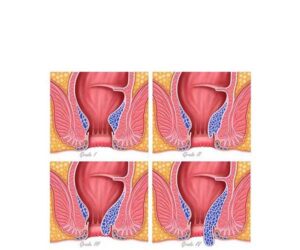
Internal hemorrhoid grades
24,50 € Add to basketDegrees of internal hemorrhoids. Classification into four levels
according to its severity, from bleeding without prolapse to
permanent prolapse, allowing for the definition of the appropriate
treatment and preventing complications through early diagnosis. -
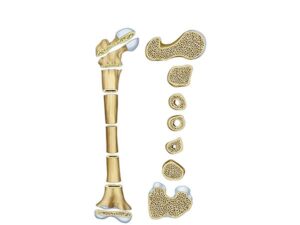
Internal section of the femur
24,50 € Add to basketThe cross-section of the femur provides a detailed illustration
of the internal anatomy of this thigh bone. Structures such as the
bone marrow, the femoral neck, the bone trabeculae, and the
distal and proximal epiphyses are highlighted. -
Internal structure of the femur
24,50 € Add to basketInternal structure of the femur, focusing on the walls that make up
its internal structure. Through cross-sectional views, it reveals the
different layers, thicknesses, cancellous bone, and the space occupied
by the bone marrow. The femoral neck and head are vital for the
hip joint. -
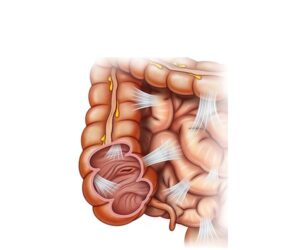
Intestinal adhesions
24,50 € Add to basketIntestinal adhesions are bands of scar tissue that connect parts
of the intestine to other organs. They can arise after surgeries or
inflammation, causing pain, digestive disturbances, and a risk
of intestinal obstruction if not treated properly. -
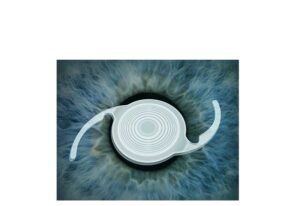
Intraocular lens
24,50 € Add to basketIntraocular lens. This artificial lens is implanted in the eye after the
removal of the natural lens during cataract surgery. The intraocular
lens replaces the cloudy lens, allowing light to focus correctly on the
retina and restoring vision. height=”228″ />=”https://ilusmedical.com/head-and-neck-disorders/?lang=en” target=”_blank” rel=”noopener”>
-
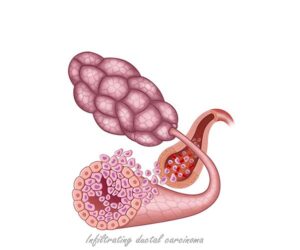
Invasive ductal carcinoma
24,50 € Add to basketInvasive ductal carcinoma. Breast cancer that originates in the
ducts and spreads to nearby tissues, with a risk of metastasis.
Their diagnosis includes mammography and biopsy, and the
treatment varies according to the stage. -
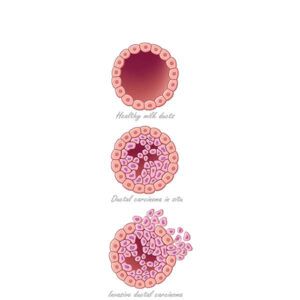
Invasive ductal carcinoma
24,50 € Add to basketEl carcinoma invasivo ha roto dicha membrana, infiltrando tejido
mamario circundante y con potencial de metástasis. El carcinoma
in situ es cáncer no invasivo confinado a los conductos o lobulillos
sin romper la membrana basal. -
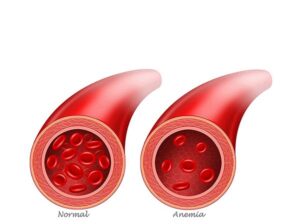
Iron deficiency anemia
24,50 € Add to basketIron deficiency anemia: a disorder where the blood lacks enough
healthy red blood cells due to a lack of iron. This reduces oxygen
transport to tissues, causing fatigue and pallor. -
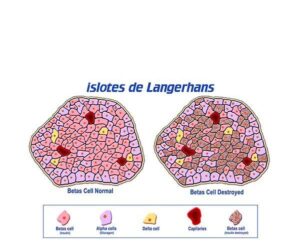
Islets of Langerhans
24,50 € Add to basketIslets of Langerhans. This schematic illustration analyzes the
cell clusters in the pancreas and their role in insulin production.
The content describes how the immune system or cell exhaustion
affects glucose regulation in different diabetes cases.