Anatomy
Showing 433–444 of 678 results
-
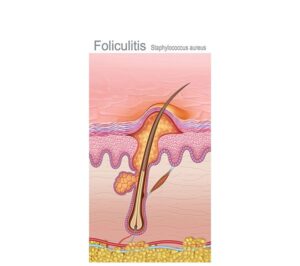
Skin with folliculitis
24,50 € Add to basketSkin with folliculitis. This illustration highlights the inflammation
of hair follicles, characterized by pustules and red bumps. The content
describes the bacterial and irritative causes, emphasizing the importance
of hygiene and specific treatments to preserve skin health.


-
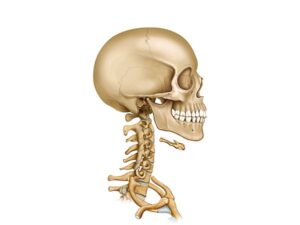
Skull and cervical vertebrae
24,50 € Add to basketThe skull and cervical vertebrae. The skull, composed of
the frontal, parietal, and occipital bones, protects the brain and
houses the sensory organs. The cervical vertebrae, located in the
neck region, form the spinal column. -
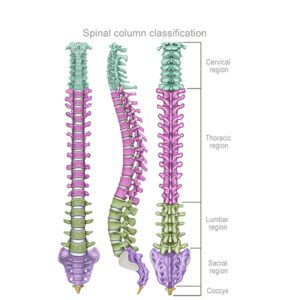
Spinal column classification
24,50 € Add to basketThe spine is classified based on its anatomical segments:
cervical, thoracic, lumbar, sacral, and coccygeal. The cervical
region (7 vertebrae, C1–C7), the thoracic region (12 vertebrae,
T1–T12), the lumbar region (5 vertebrae, L1–L5), and the sacral
region (5 vertebrae, S1–S5). -
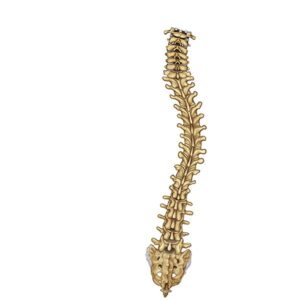
Spine with scoliosis
24,50 € Add to basketThe spine with scoliosis has an altered function in body alignment.
Moreover, under normal conditions, the spine maintains balanced
physiological curves. Additionally, it distributes weight evenly.
Furthermore, it ensures body stability. -
Spongy bone structure
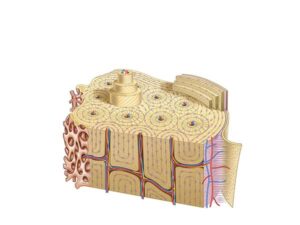
24,50 € Add to basketStructure of cancellous bone. Also known as trabecular bone
tissue, it forms the inner part of bones and is characterized by a
porous, network-like structure. It consists of bone trabeculae
arranged irregularly, creating spaces filled with bone marrow. -
Stage 4 hemorrhoids
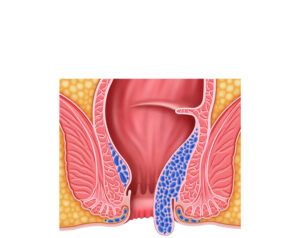
24,50 € Add to basketHemorrhoids stage 4. Advanced stage with permanent prolapse,
intense pain and persistent bleeding, which may include thrombosis
and complications, requiring medical or surgical treatment to
alleviate symptoms and improve quality of life. -
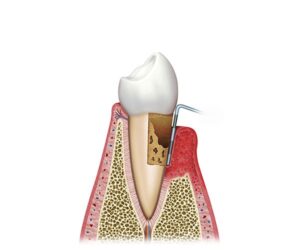
Stage II periodontitis
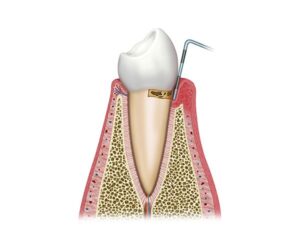
24,50 € Add to basketThe stage II periodontitis has an altered function in dental
support. Moreover, under normal conditions, the gums and
bone keep the tooth stable. Additionally, the periodontal
ligament distributes chewing forces. -
Stage III periodontitis
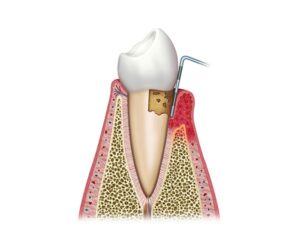
24,50 € Add to basketThe stage III periodontitis has an altered function in dental support.
Moreover, under normal conditions, gums and bone maintain tooth
stability. Additionally, the periodontal ligament distributes chewing
forces. -
Stage IV periodontitis
24,50 € Add to basketThe stage IV periodontitis has a severely altered function in dental
support. Moreover, under normal conditions, alveolar bone and
gums maintain tooth stability. Additionally, the periodontal ligament
distributes chewing forces. -
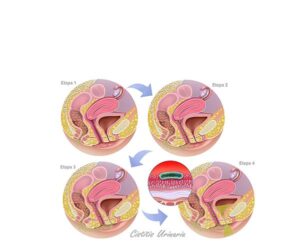
Stages of bacterial cystitis
24,50 € Add to basketThe stages of bacterial cystitis describe how bacteria such as
E. coli ascend thru the urethra to the bladder, adheres to its
walls and cause inflammation, pain, and urinary symptoms,
requiring antibiotic treatment to avoid complications. -
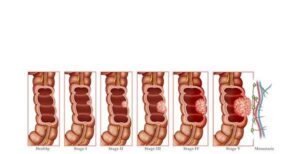
Stages of colorectal cancer
24,50 € Add to basketStages of colorectal cancer. It represents the progression of the tumor
from early to advanced stages in the colon and rectum, causing bleeding,
intestinal changes, and weight loss, making early detection crucial.
early detection. -
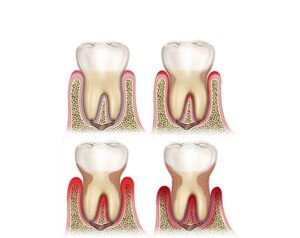
Stages of periodontitis
24,50 € Add to basketThe stages of periodontitis have a general function in disease
classification. Moreover, under normal conditions, gums and
bone maintain tooth stability. Additionally, the periodontal
ligament distributes forces. Furthermore, they ensure oral health.