Anatomy
Showing 409–420 of 678 results
-
Respiratory disorders
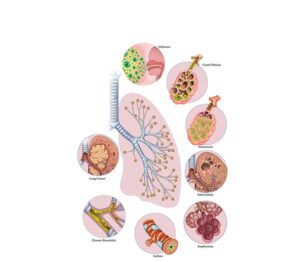
24,50 € Add to basketRespiratory disorders include conditions like asthma, pneumonia, and
emphysema. They affect the lungs through inflammation, infection, or
damage, impairing breathing and gas exchange.


-
Respiratory mucosa
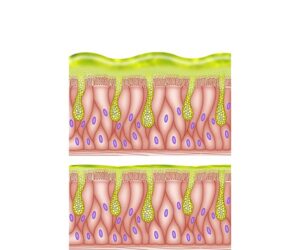
24,50 € Add to basketRespiratory mucosa. They represent the epithelium that lines the
trachea and bronchi, with cilia and goblet cells that filter, humidify
and eliminate particles, protecting the airways and promoting
respiratory function. -
Retinal detachment
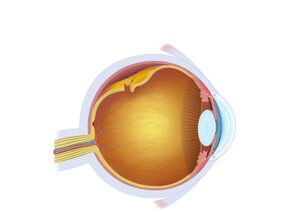
24,50 € Add to basketRetinal detachment is explained clearly. The retina separates
from its normal position, affecting vision and causing symptoms
such as flashes of light, floaters, and loss of peripheral vision. -
Rheumatoid arthritis
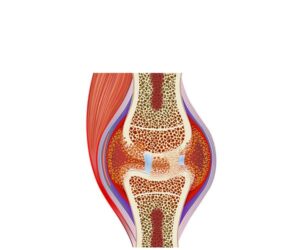
24,50 € Add to basketRheumatoid arthritis is an autoimmune disease causing chronic
inflammation and cartilage destruction. Moreover, it leads to pain,
stiffness, and joint deformity. Treatment includes disease-modifying
drugs, anti-inflammatory therapy, and physical rehabilitation. -
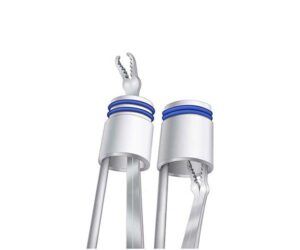
Rubber band ligator
24,50 € Add to basketElastic band ligator. Medical device used to treat internal hemorrhoids
by placing a band that cuts off the blood flow, causing a reduction and
elimination, with an outpatient procedure, is safe and minimally invasive. -
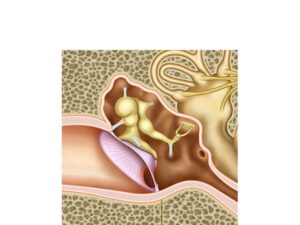
Rupture of the tympanic membrane
24,50 € Add to basketThe eardrum rupture has an altered function in hearing. Moreover,
under normal conditions, the eardrum vibrates when receiving sound
waves. Additionally, it transmits these vibrations to the ossicles.
Furthermore, it allows sound perception. -
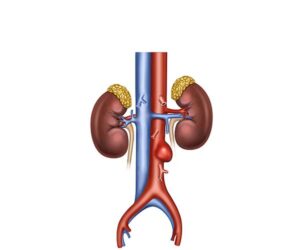
Saccular aortic aneurysm
24,50 € Add to basketSaccular abdominal aortic aneurysm is an asymmetrical dilation
and spherical on one side of the aortic wall, connected by a narrow
neck, often associated with infections or trauma. It is a serious
condition that, like fusiform aneurysms, can be asymptomatic
until it grows or breaks down. -
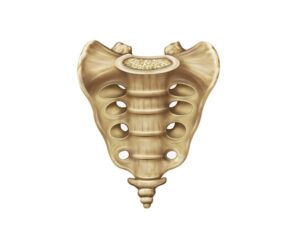
Sacrum frontal view
24,50 € Add to basketThe sacrum, viewed from the front, presents the fused triangular
structure at the base of the spine. Numbered S1-S5, the sacrum
forms the sacroiliac joint with the pelvis; the sacral crests and sacral
foramina are visible. -
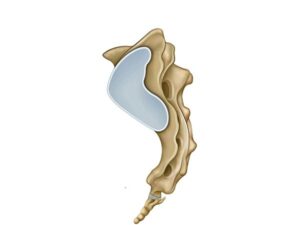
Sacrum lateral view
24,50 € Add to basketLateral view of the sacrum, with a triangular and fused structure
located at the base of the spine. Numbered S1-S5, the sacrum connects
to the pelvis and forms the sacroiliac joint. Lateral view of the sacrum.
The sacral crests and sacral foramina are visible. -
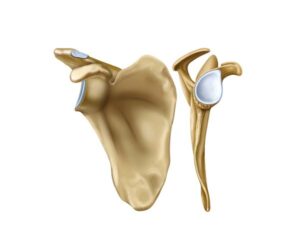
Scapula frontal view
24,50 € Add to basketFrontal view of the scapula. Also known as the shoulder blade,
this illustration shows this broad, triangular bone located on the
back. Notable features include the scapular spine, the glenoid
cavity, and the acromion. -
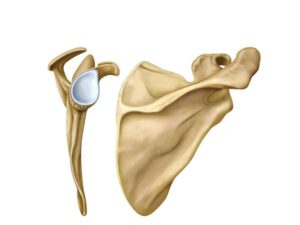
Scapula posterior view
24,50 € Add to basketPosterior view of the scapula. This illustration shows
this broad, triangular bone is located on the back.
Also known as the scapula, it features the scapular spine,
the glenoid cavity, and the acromion. -
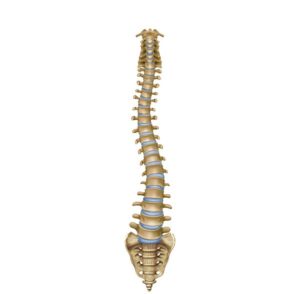
Scoliosis and ataxia
24,50 € Add to basketThe scoliosis and ataxia have an altered function in body
alignment and coordination. Moreover, under normal conditions,
the spine maintains balanced physiological curves. Additionally,
it distributes weight properly