Anatomy
Showing 421–432 of 678 results
-
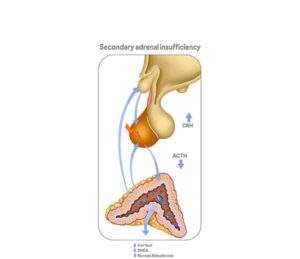
Secondary adrenal insufficiency
24,50 € Add to basketSecondary adrenal insufficiency: a disorder caused by low ACTH
production in the pituitary gland. This reduces adrenal cortisol due to
pituitary tumors or abrupt steroid withdrawal. It causes fatigue and
weakness, requiring glucocorticoid treatment to restore hormonal and
metabolic balance.


-
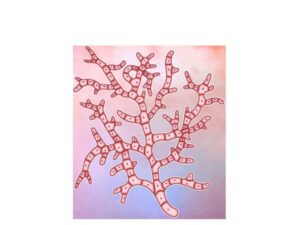
Septate filamentous fungi
24,50 € Add to basketSeptate filamentous fungi have hyphae divided by septa,
allowing internal transport, decomposition, and roles in
ecology, industry, and disease. -
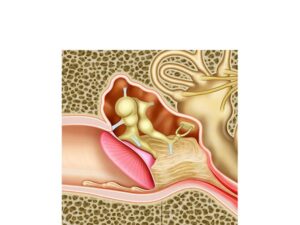
Serous otitis media
24,50 € Add to basketThe serous otitis media has an altered function in hearing. Moreover,
under normal conditions, the middle ear is air-filled. Additionally, the
Eustachian tube balances pressure. Furthermore, it allows proper sound
transmission. -
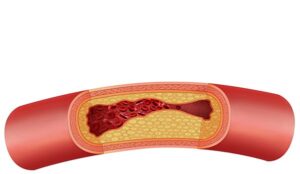
Severe hypercholesterolemia
24,50 € Add to basketSevere hypercholesterolemia involves very high cholesterol and
triglyceride levels, leading to plaque buildup, reduced blood flow,
and increased risk of heart attack and stroke, often without early
symptoms. -
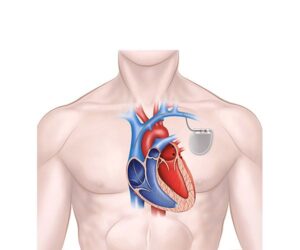
Single chamber pacemaker
24,50 € Add to basketThe single-chamber pacemaker has a general function in
regulating the heart rhythm. Moreover, under normal conditions,
the heart’s electrical system coordinates beats. Additionally, it
allows an adequate heart rate. -
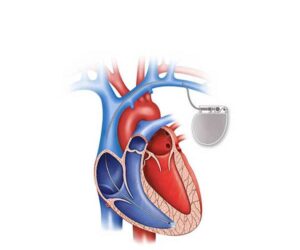
Single-chamber pacemaker
24,50 € Add to basketA single-chamber pacemaker uses one lead connected to either
the atrium or the ventricle (usually the right) to regulate the heart
rhythm. It senses electrical activity and sends pulses if the heart
beats too slowly. It is simple and effective. -
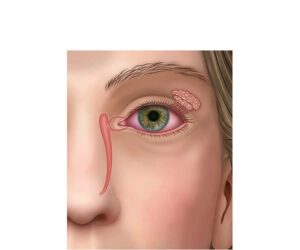
Sjögren’s lacrimal gland
24,50 € Add to basketSjögren’s lacrimal gland is an autoimmune inflammation that
destroys the ability to produce tears, causing severe dry eye.
This pathology, common in women, causes irritation and a
gritty sensation in the eyes, requiring the use of artificial tears. -
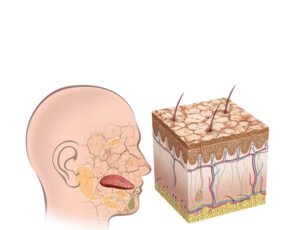
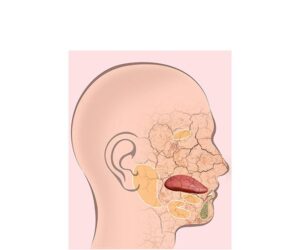
Sjögren’s skin dryness
24,50 € Add to basketSjögren’s skin dryness describes the skin dehydration caused by an
autoimmune attack on secretory glands. This condition, more
common in women, causes roughness, itching, and a weakened
skin barrier, accompanied by the lack of tears and saliva. -
Sjögren’s skin dryness
24,50 € Add to basketSjögren’s skin dryness is an autoimmune condition where the immune
system attacks the glands that produce moisture. This drastically
reduces tears and saliva, leading to rough skin, irritated eyes, and
a generalized feeling of bodily dryness. -
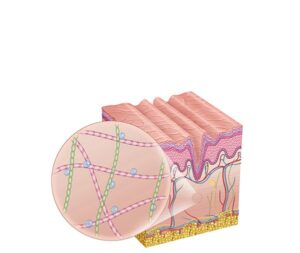
Skin aging
24,50 € Add to basketSkin aging: this natural process leads to the loss of collagen, elastin,
and essential oils. The formation of wrinkles and thinning of the
epidermis are key signs caused by age and the sun. The use of sunscreen
is vital to mitigate these biological effects effectively. -
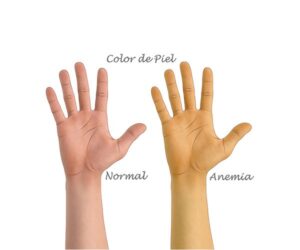
Skin color in anemia
24,50 € Add to basketSkin color in anemia: an alteration where the lack of hemoglobin
and oxygen causes a pale or yellowish tone. Iron deficiency is clearly
reflected in the skin and the inside of the eyelids. It requires medical
diagnosis and supplementation. -
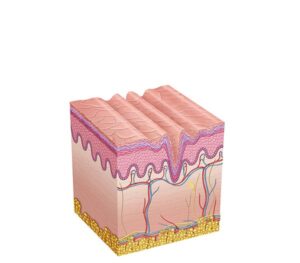
Skin deterioration
24,50 € Add to basketSkin deterioration: this biological process involves collagen loss,
dryness from lack of oils, and thinning of the epidermis. Wrinkle
formation and spots are common signs of cumulative sun exposure.
The use of sunscreen is vital to mitigate these aging effects effectively