Digestion
Showing 97–105 of 105 results
-
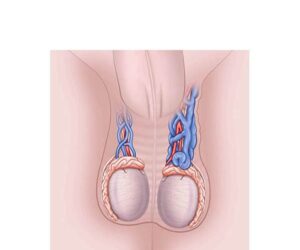
The testicular varicocele
24,50 € Add to basketTesticular varicocele is an abnormal dilation of the pampiniform
plexus veins that disrupts blood drainage. It increases testicular
temperature and impairs sperm quality. Diagnosis is clinical and
ultrasound-based, and treatment depends on symptoms and
fertility goals.


-
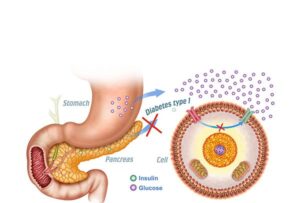
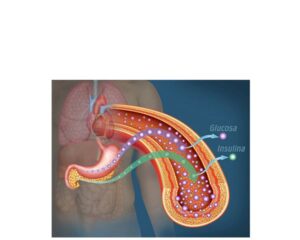
Type 1 diabetes
24,50 € Add to basketType 1 diabetes is an autoimmune disease in which the body does not
produces insulin. This causes elevated blood glucose levels, generating
metabolic symptoms and increasing the risk of serious complications if
not properly managed. -
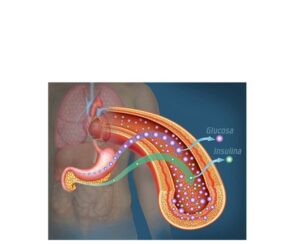
Type 1 diabetes physiology
24,50 € Add to basketThe physiology of type 1 diabetes explains the absence of insulin due
to autoimmune destruction of the pancreas. This prevents glucose
enter the cells, raising blood sugar levels and causing metabolic
complications if not controlled with insulin. -
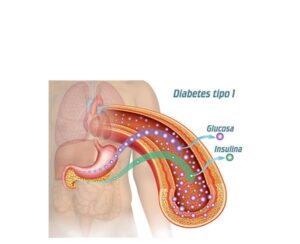
Type 1 diabetes representation
24,50 € Add to basketThe representation of type 1 diabetes shows the lack of insulin due to
an autoimmune process. This causes the accumulation of glucose in the
blood, metabolic alterations, and the risk of serious complications if
it is not controlled with insulin and constant monitoring. -
Type 2 diabetes
24,50 € Add to basketLorem Ipsum es simplemente el texto de relleno de las imprentas
y archivos de texto. Lorem Ipsum ha sido el texto de relleno estándar
de las industrias desde el año 1500, cuando un impresor (N. del T
persona que se dedica a la imprenta) desconocido usó -
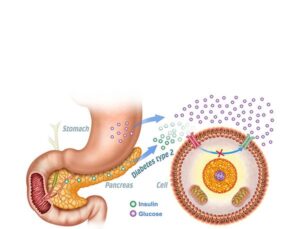
Type 2 diabetes physiology
24,50 € Add to basketThe physiology of type 2 diabetes explains how insulin resistance
insulin prevents glucose from entering the cells. This raises the
blood sugar, causes metabolic disturbances, and increases the risk
of complications such as cardiovascular diseases, renal, and vision
problems. -
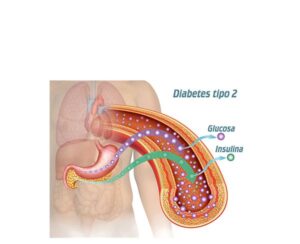
Type 2 diabetes representation
24,50 € Add to basketThe representation of type 2 diabetes shows how insulin resistance
prevents the proper use of glucose. This raises the sugar in the blood,
alters metabolism, and can cause serious complications such as
cardiovascular diseases, kidney problems, and vision issues. -
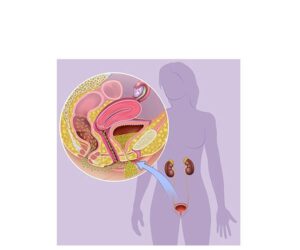
Urinary cystitis representation
24,50 € Add to basketUrinary cystitis is a bladder infection caused by bacteria that enter
through the urethra. It causes inflammation, pain when urinating,
urinary urgency, and pelvic discomfort, being more frequent in
women and requires appropriate treatment. -
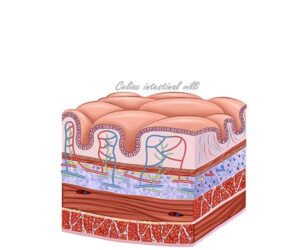
Villous atrophy in celiac disease
24,50 € Add to basketVillous atrophy in celiac disease is the damage of intestinal villi
caused by gluten. This reduces nutrient absorption, leads to digestive
symptoms like diarrhea and fatigue, and may cause nutritional
deficiencies without proper dietary treatment.