Digestion
Showing 61–72 of 105 results
-
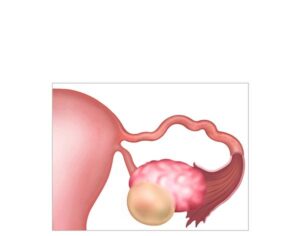
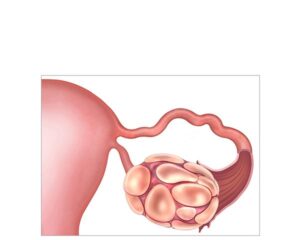
Ovarian cyst
24,50 € Add to basketAn ovarian cyst is a fluid-filled sac that forms in the ovary. It is
usually benign and asymptomatic, but may cause pain, bloating,
or menstrual changes, and is commonly detected by ultrasound.


-
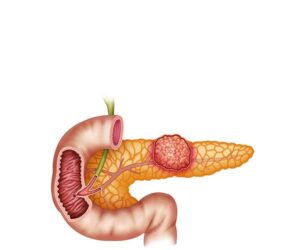
Pancreatic cancer
24,50 € Add to basketPancreatic cancer. Malignant tumor of the pancreas that alters
digestion and metabolism, causing weight loss, abdominal pain
and late symptoms, making early detection crucial. -
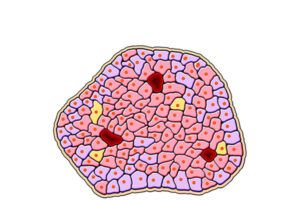
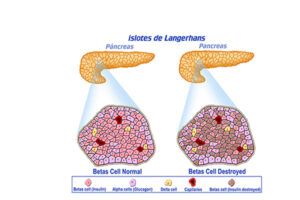
Pancreatic islets
24,50 € Add to basketPancreatic islets are regions of the pancreas with specialized
cells, such as beta and alpha cells. They produce insulin and
glucagon, regulating blood glucose levels and maintaining
metabolic balance. -
Pancreatic physiology
24,50 € Add to basketPancreatic physiology combines digestive and endocrine
functions. The pancreas produces enzymes that break down
food and hormones like insulin and glucagon that regulate
blood glucose levels. -
Polycystic ovaries
24,50 € Add to basketPolycystic ovaries are a hormonal condition where multiple cysts
develop in the ovaries. It causes hormonal imbalance, irregular cycles,
excess hair growth, and may affect fertility and metabolism. -
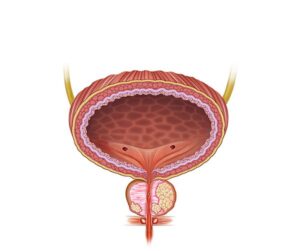
Prostate cancer
24,50 € Add to basketProstate cancer is a malignant tumor affecting the prostate gland.
It may be asymptomatic early, but it can cause urinary symptoms,
pain, and hematuria, requiring diagnosis with PSA testing and biopsy. -
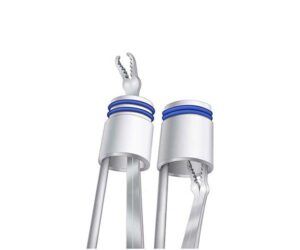
Rubber band ligator
24,50 € Add to basketElastic band ligator. Medical device used to treat internal hemorrhoids
by placing a band that cuts off the blood flow, causing a reduction and
elimination, with an outpatient procedure, is safe and minimally invasive. -
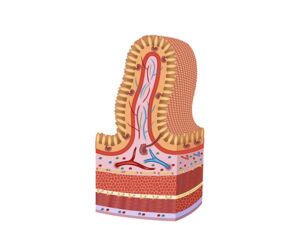
Small intestine villus
24,50 € Add to basketSmall intestine villus hair refers to microvilli on enterocytes
that increase the absorption surface. They enable efficient
nutrient uptake from digested chyme in the digestive system. -
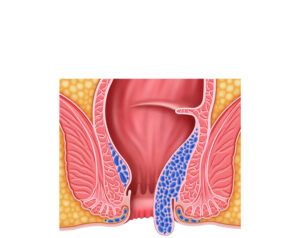
Stage 4 hemorrhoids
24,50 € Add to basketHemorrhoids stage 4. Advanced stage with permanent prolapse,
intense pain and persistent bleeding, which may include thrombosis
and complications, requiring medical or surgical treatment to
alleviate symptoms and improve quality of life. -
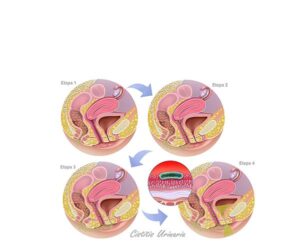
Stages of bacterial cystitis
24,50 € Add to basketThe stages of bacterial cystitis describe how bacteria such as
E. coli ascend thru the urethra to the bladder, adheres to its
walls and cause inflammation, pain, and urinary symptoms,
requiring antibiotic treatment to avoid complications. -
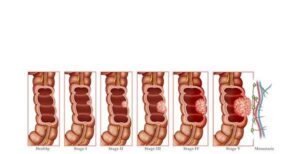
Stages of colorectal cancer
24,50 € Add to basketStages of colorectal cancer. It represents the progression of the tumor
from early to advanced stages in the colon and rectum, causing bleeding,
intestinal changes, and weight loss, making early detection crucial.
early detection. -
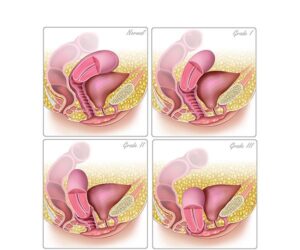
Stages of uterine prolapse
24,50 € Add to basketStages of uterine prolapse describe the progressive descent of the
uterus from its normal position to protrusion outside the vagina,
causing pelvic pressure, discomfort, and urinary issues, depending
on severity.