Digestion
Showing 49–60 of 105 results
-
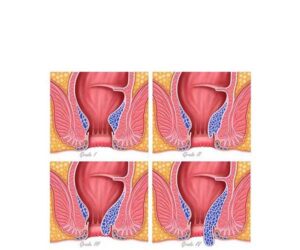
Internal hemorrhoid grades
24,50 € Add to basketDegrees of internal hemorrhoids. Classification into four levels
according to its severity, from bleeding without prolapse to
permanent prolapse, allowing for the definition of the appropriate
treatment and preventing complications through early diagnosis.


-
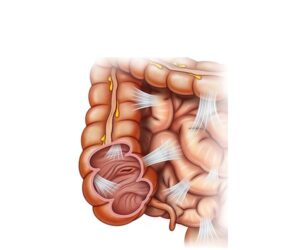
Intestinal adhesions
24,50 € Add to basketIntestinal adhesions are bands of scar tissue that connect parts
of the intestine to other organs. They can arise after surgeries or
inflammation, causing pain, digestive disturbances, and a risk
of intestinal obstruction if not treated properly. -
Intestinal microvilli
24,50 € Add to basketIntestinal microvilli are tiny projections on enterocytes
that increase absorption surface and enables efficient
uptake of essential nutrients from the digested chyme in the
small intestine. -
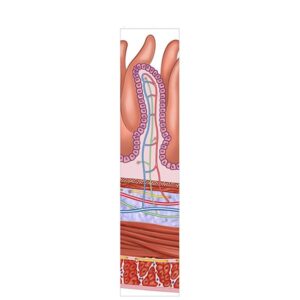
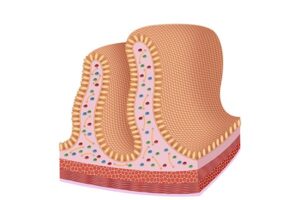
Intestinal villi
24,50 € Add to basketIntestinal villi are microscopic projections in the small
intestine that increase absorption surface and allows
nutrients to pass into the blood and lymphatic circulation. -
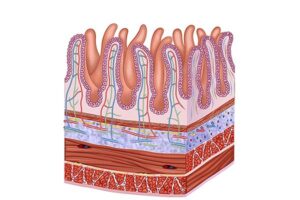
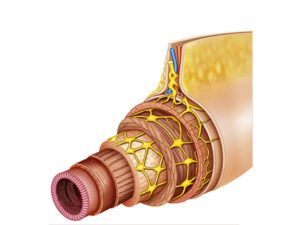
Layers of the digestive tract
24,50 € Add to basketThe layers of the digestive tract include mucosa, submucosa,
muscular layer, and serosa. These structures support digestion,
enzyme secretion, nutrient absorption, and movement of food
through the system. -
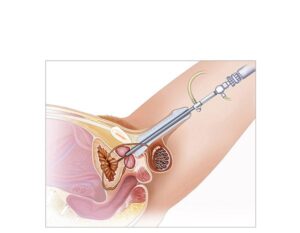
Male cystoscopy exam
24,50 € Add to basketThe male examination is a procedure that allows for the observation
of the bladder and urethra using a cystoscope. It is used to diagnose
infections, stones, and tumors, providing a direct evaluation of the
urinary system. -
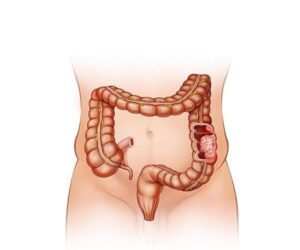
Malignant colon tumor
24,50 € Add to basketMalignant colon tumor. Cancerous mass affecting the intestine
thick, causing intestinal changes, rectal bleeding, and weight loss
weight, with early detection through colonoscopy being key to
improve the prognosis. -
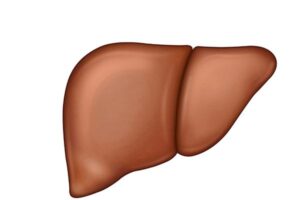
Morphology of the liver
24,50 € Add to basketThe morphology of the liver shows an organ located
in the upper right abdomen, composed of hepatic
lobes and hepatocytes that perform metabolic, digestive,
and detoxification functions. -
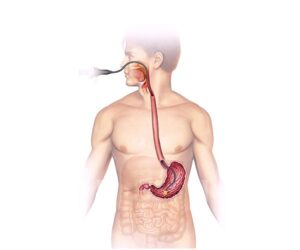
Nasogastric tube examination
24,50 € Add to basketExamination with a nasogastric tube. A medical procedure that uses a
flexible tube introduced through the nose to the stomach, allowing
administer nutrients, fluids, and medications or drain content gastric
in patients with difficulties feeding. -
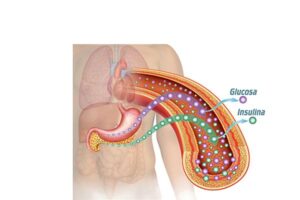
Normal insulin and glucose production
24,50 € Add to basketNormal insulin and glucose production regulate energy
balance. The pancreas releases insulin to help glucose
enter cells and maintain stable blood sugar levels in
the body. -
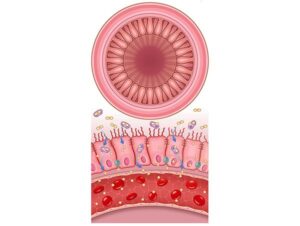
Nutrient absorption
24,50 € Add to basketNutrient absorption occurs mainly in the small intestine,
where villi increase surface area. Nutrients pass into the
bloodstream and are distributed throughout the body for
energy and function.