Digestion
Showing 37–48 of 105 results
-
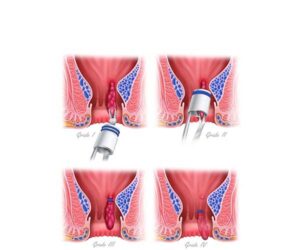
Hemorrhoid removal stages
24,50 € Add to basketStages of hemorrhoid extraction. Phased process through ligation
with an elastic band that cuts off the blood flow, causing necrosis
and detachment of the hemorrhoid, allowing its progressive removal
with minimal invasion and quick recovery.


-
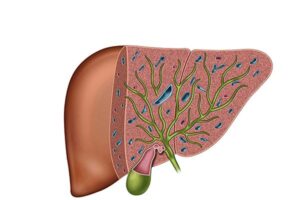
Hepatic anatomy
24,50 € Add to basketHepatic anatomy describes the structure of the liver,
a vital organ in the upper right abdomen. It is divided
into hepatic lobes and is formed by hepatocytes that
perform metabolic and detoxification functions. -
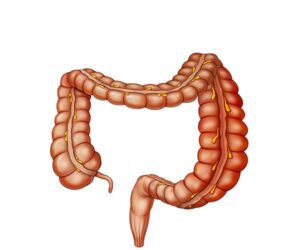
Hirschsprung disease
24,50 € Add to basketHirschsprung’s disease. It is a congenital disorder of the colon
characterized by the absence of nerve cells, which causes severe
constipation, abdominal distension, and intestinal obstruction,
requiring early surgical treatment. -
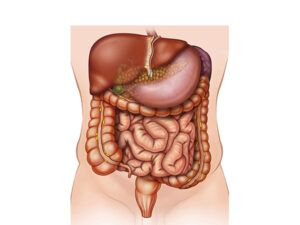
Human digestive process
24,50 € Add to basketThe human digestive process explains how food is
transformed into nutrients through the digestive
system, including the mouth, stomach, intestines, liver,
and pancreas. -
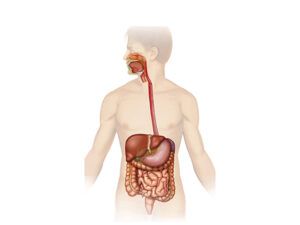
Human digestive system
24,50 € Add to basketThe human digestive system is a complex group of organs
that enables ingestion, digestion, and absorption of food,
including the mouth, stomach, intestines, and accessory
organs like the liver and pancreas. -
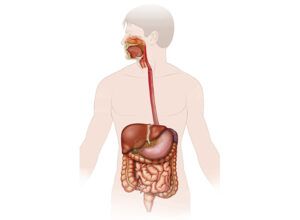
Human digestive system
24,50 € Add to basketThe human digestive system includes the mouth, esophagus,
stomach, intestines, liver, and pancreas. It enables digestion,
breakdown, and absorption of food, as well as efficient waste
elimination. -
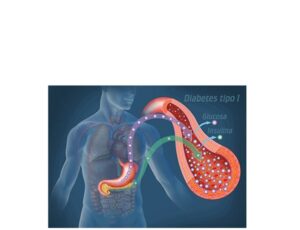
Illustration Type 1 Diabetes
24,50 € Add to basketType 1 diabetes. This illustration highlights the human figure,
the pancreas, and glucose particles to explain this chronic condition.
The representation shows the body’s inability to generate insulin,
which raises blood sugar levels and requires treatment with
injections or pumps. -
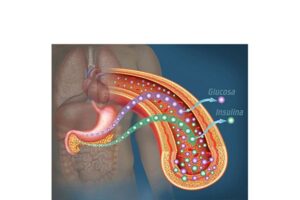
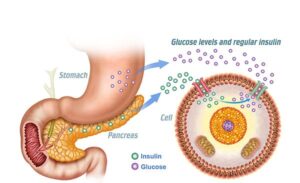
Insulin and glucose
24,50 € Add to basketInsulin and glucose regulate energy metabolism. Insulin
allows glucose to enter cells and maintains proper blood levels
sugar levels, ensuring balance and proper function of the body. -
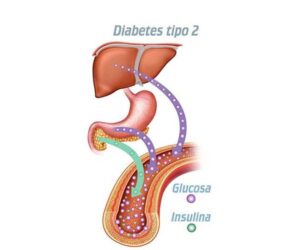
Insulin and glucose production
24,50 € Add to basketInsulin and glucose production regulate cellular
metabolism. Insulin allows glucose to enter cells,
while glucagon maintains balance by releasing
stored glucose from the liver. -
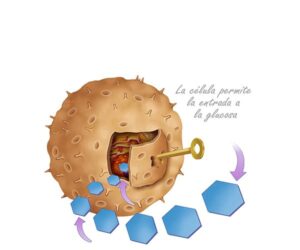
Insulin as a cellular key
24,50 € Add to basketInsulin acts as a cellular chemical key that allows the entry of glucose
into the cells. This process is essential for the production of energy,
and its alteration causes the accumulation of blood glucose, as occurs
in diabetes. -
Insulin rejection
24,50 € Add to basketThe rejection of insulin involves a disruption in its production or action,
generally due to an autoimmune process. This causes accumulation of
glucose in the blood, generates metabolic symptoms, and can cause
serious complications if not treated with insulin and proper control. -
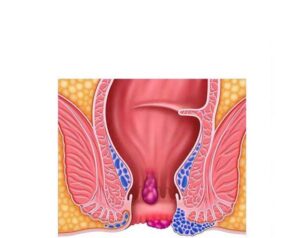
Internal and external hemorrhoids
24,50 € Add to basketInternal and external hemorrhoids. Dilation and inflammation of
the veins of the rectum and anus that cause bleeding, pain, and itching
and protrusions, being common in adults and associated with
constipation, straining during bowel movements, and unhealthy habits.