Digestion
Showing 85–96 of 105 results
-
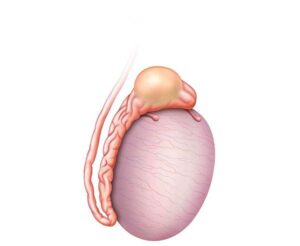
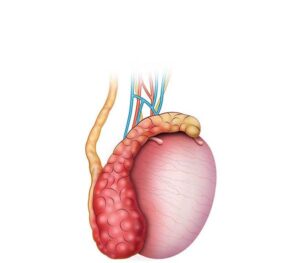
The epididymal testicular cyst
24,50 € Add to basketThe epididymal testicular cyst is a benign fluid-filled cavity located
in the epididymis. It may affect sperm storage and transport. It is usually
asymptomatic, diagnosed by ultrasound, and treated only if it causes
discomfort.


-
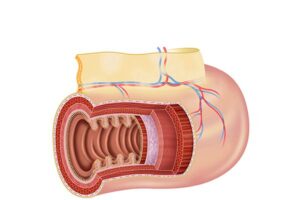
The layers of the gastrointestinal tract
24,50 € Add to basketThe layers of the gastrointestinal tract include the
mucosa, submucosa, muscularis, and serosa. The mucosa
produces enzymes and absorbs nutrients, while the
submucosa contains blood vessels and nerves. -
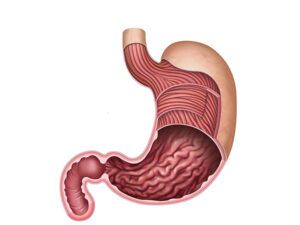
The layers of the stomach
24,50 € Add to basketThe layers of the stomach include the mucosa, submucosa,
muscularis, and serosa. The gastric mucosa produces acid
and digestive enzymes, while the muscular layers mix food
during digestion. -
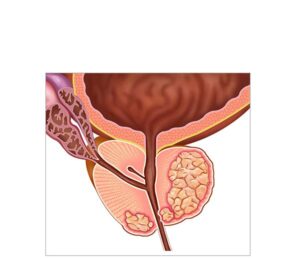
The malignant prostate tumor
24,50 € Add to basketMalignant prostate tumor is a common cancer in older men
affecting the prostate gland. Moreover, it can cause urinary symptoms
and spread to other organs. Diagnosis includes PSA testing and biopsy,
while treatment ranges from active surveillance to surgery and advanced
therapies. -
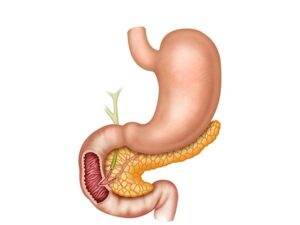
The pancreas and stomach
24,50 € Add to basketThe pancreas and stomach are key organs of the
digestive system. The stomach breaks down food
with gastric juices, while the pancreas produces
digestive enzymes and hormones such as insulin. -
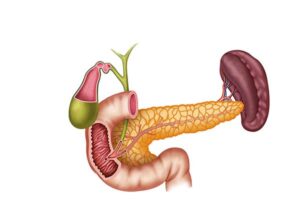
The physiology of the pancreas
24,50 € Add to basketThe physiology of the pancreas describes an organ
behind the stomach, divided into head, body, and tail,
that produces digestive enzymes and hormones such
as insulin and glucagon. -
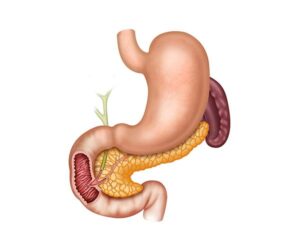
The stomach, pancreas, and spleen
24,50 € Add to basketThe stomach, pancreas, and spleen are organs in
the upper abdomen. The stomach begins digestion, the
pancreas produces digestive enzymes and insulin,
and the spleen supports immune defense. -
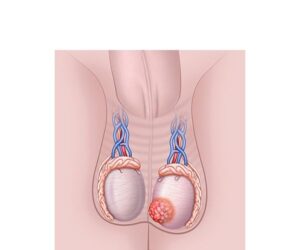
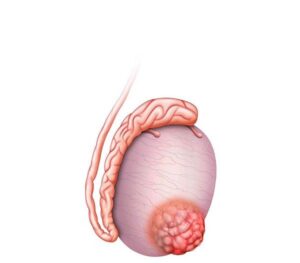
The testicular cancer tumor
24,50 € Add to basketTesticular cancer tumor is a malignant growth in the testicle
that can spread to other organs. It often appears as a painless lump.
Diagnosis includes ultrasound and tumor markers, and treatment
involves surgery and oncologic therapies. -
The testicular epididymitis
24,50 € Add to basketTesticular epididymitis is inflammation of the epididymis,
usually caused by bacterial infections. It leads to pain, swelling,
and tenderness. Diagnosis is clinical and ultrasound-based, and
treatment includes antibiotics, rest, and pain relief measures. -
The testicular inflammation
24,50 € Add to basketTesticular inflammation or orchitis is an inflammatory response
caused by viral or bacterial infections. It leads to pain, swelling, and
tenderness. Diagnosis is clinical and ultrasound-based, and treatment
includes rest, analgesics, and antibiotics when needed. -
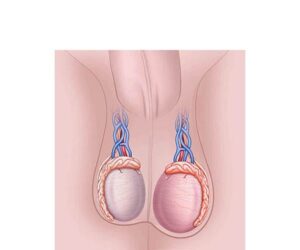
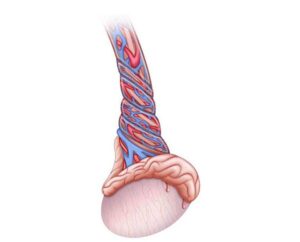
The testicular torsion
24,50 € Add to basketTesticular torsion is a medical emergency caused by the twisting
of the testis, blocking blood flow. It leads to severe pain and risk of
necrosis. Diagnosis is clinical and ultrasound-based, and urgent
surgery is required to preserve testicular function. -
The testicular tumor
24,50 € Add to basketTesticular tumors may be benign or malignant, with testicular
cancer being common in young men. It presents as a mass or
enlargement. Diagnosis includes ultrasound and tumor markers,
and treatment usually involves surgery and additional therapies.