Digestion
Showing 1–12 of 105 results
-
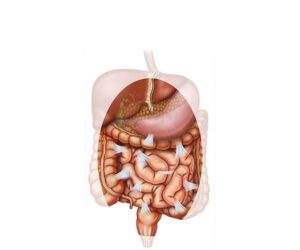
Abdominal adhesions
24,50 € Add to basketAbdominal adhesions are bands of scar tissue that bind organs in the
abdominal cavity. They can appear after surgeries. or inflammation,
hinder bowel movement, and cause pain, digestive disorders, or
obstructions if not treated properly.


-
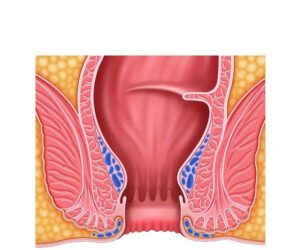
Anal canal anatomy
24,50 € Add to basketAnal canal anatomy. It is the final part of the large intestine
and the gastrointestinal tract. Its structure includes the internal
and external sphincters to control defecation. It has anal glands
for lubrication and anal columns. It is a key functional unit in
the elimination of waste. -
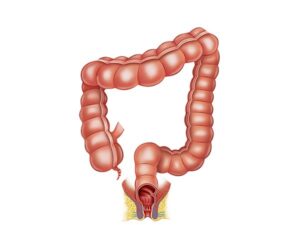
Anatomy of the Large Intestine.
24,50 € Add to basketAnatomy of the Large Intestine. explains the final part of
the digestive system, where water and electrolytes are
absorbed and feces are formed, including the cecum and
all colon segments. -
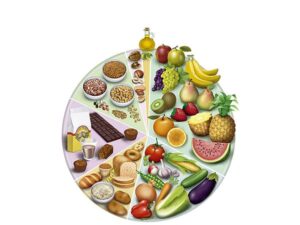
Antioxidant diet
24,50 € Add to basketAn antioxidant diet includes fruits, vegetables, nuts,
and green tea. These foods fight free radicals, protect
cells, and help prevent diseases and premature aging. -
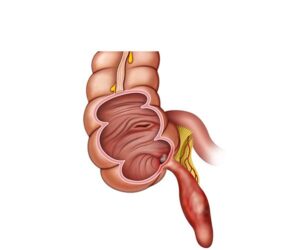
Appendicitis inflammation
24,50 € Add to basketAppendicitis inflammation. Acute inflammation of the appendix
caused by obstruction or infection, which causes abdominal pain,
fever, and nausea, requiring surgery to avoid complications such
as rupture. -
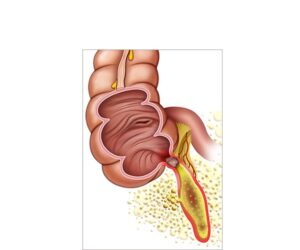
Appendix rupture
24,50 € Add to basketAppendicitis rupture. Serious complication where the appendix
inflamed perforates, releasing bacteria into the abdomen and causing
peritonitis, requiring urgent surgery to avoid life-threatening risks. -
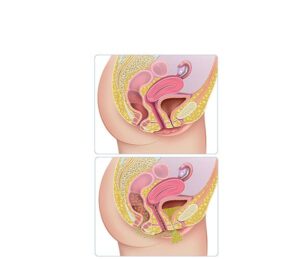
Bacterial urinary infection
24,50 € Add to basketUrinary cystitis is a bladder infection caused by bacteria that enter
through the urethra. It causes inflammation, pain when urinating,
urinary urgency, and pelvic discomfort, being more frequent in women
and requires appropriate treatment. -
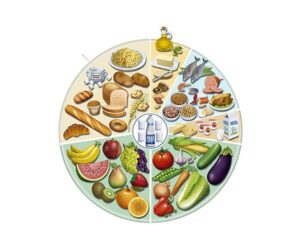
Balanced nutrition
24,50 € Add to basketBalanced nutrition includes fruits, vegetables, proteins,
whole grains, and healthy fats. It provides essential
nutrients, supports overall health, and helps prevent
diseases. -
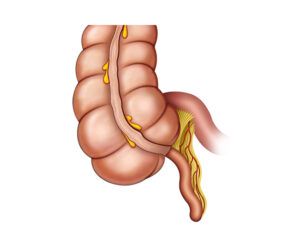
Cecum and appendix
24,50 € Add to basketThe cecum and appendix form the first part of the large
intestine. They receive content from the small intestine,
help absorb fluids, and support immune functions within
the digestive system. -
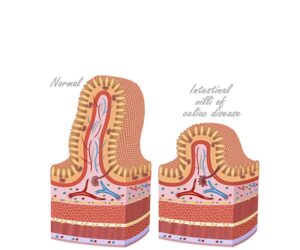
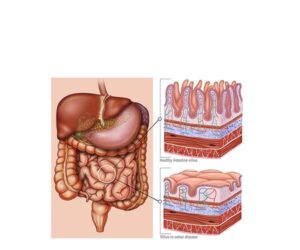
Celiac and healthy villi
24,50 € Add to basketThe healthy and celiac villi compare normal intestinal structures
with those damaged by gluten. This alteration reduces the absorption
of nutrients, causes digestive symptoms, and can lead to deficiencies
nutritional deficiencies if a strict gluten-free diet is not followed -
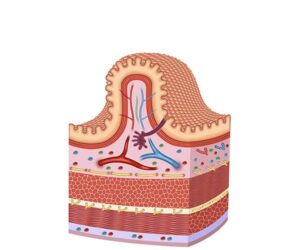
Celiac disease
24,50 € Add to basketCeliac disease is an autoimmune disorder in which gluten
damages the intestinal villi. This reduces the absorption
of nutrients and causes digestive symptoms and nutritional
deficiencies. -
Celiac disease autoimmune disorder
24,50 € Add to basketCeliac disease is an autoimmune disorder in which gluten damages
the intestinal villi. This reduces the absorption of nutrients, causes
digestive symptoms such as diarrhea and abdominal pain, and can
cause nutritional deficiencies if not treated with a gluten-free diet.