Digestion
Showing 73–84 of 105 results
-
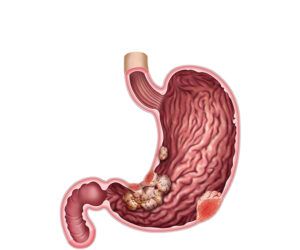
Stomach cancer
24,50 € Add to basketStomach cancer. It represents the formation of malignant tumors
in the gastric mucosa that disrupts digestion, causing abdominal pain
pain, weight loss, and digestive symptoms, with a risk of progression if
not detected in time.


-
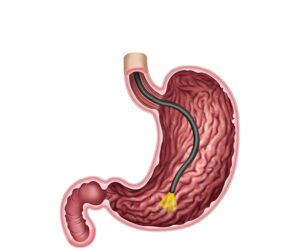
Stomach endoscopy
24,50 € Add to basketStomach endoscopy. A diagnostic procedure that allows observing the
gastric interior using an endoscope, facilitating the detection of ulcers,
inflammation, and tumors, as well as the taking of biopsies for an
accurate diagnosis. -
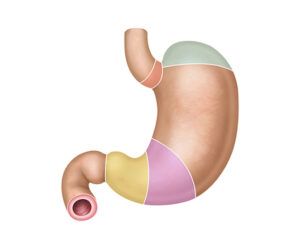
Stomach sections
24,50 € Add to basketThe stomach sections include cardia, fundus, body, antrum,
and pylorus. Each region plays a key role in digestion, food
storage, mixing, and controlling the passage of food into the
small intestine. -
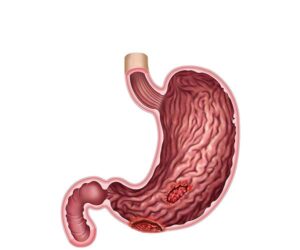
Stomach ulcer
24,50 € Add to basketStomach ulcer. A lesion in the gastric mucosa caused by
Helicobacter pylori or anti-inflammatories, which cause
abdominal pain, acidity, and indigestion, which can lead
to complications if not treated properly. -
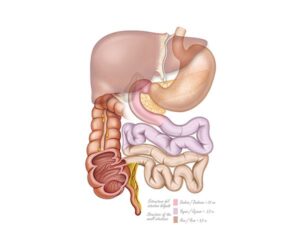
Structure of the small intestine
24,50 € Add to basketThe small intestine structure includes the duodenum,
jejunum, and ileum. Its mucosa has villi and microvilli
that increase the absorption surface and allow efficient
nutrient uptake in the digestive system. -
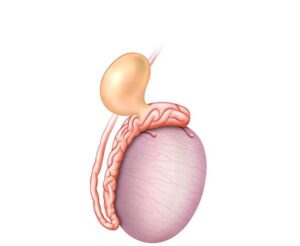
Testicular cysts
24,50 € Add to basketTesticular cysts are benign fluid-filled sacs, usually arising from the
epididymis. They are often asymptomatic but may cause discomfort or
heaviness. Diagnosis is clinical and ultrasound-based, and treatment
depends on symptoms. -
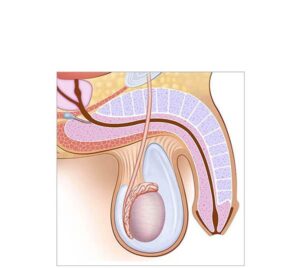
Testicular hydrocele
24,50 € Add to basketThe testicular hydrocele is an accumulation of fluid around the
testicle that causes scrotal swelling. It is usually painless, but may
require treatment if it persists or causes discomfort, including
aspiration or surgery. -
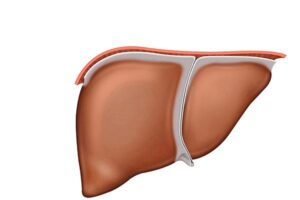
The anatomy of the liver
24,50 € Add to basketThe anatomy of the liver shows a vital organ located on
the right side of the abdomen. It is divided into hepatic
lobes and made of hepatocytes, which perform metabolic,
digestive, and detoxification functions. -
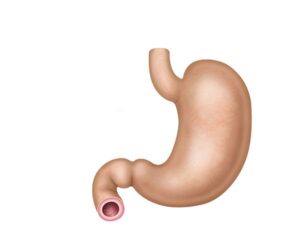
The anatomy of the stomach
24,50 € Add to basketThe anatomy of the stomach shows a sac-shaped organ
located in the upper abdomen. It is divided into the cardia,
fundus, body, and pylorus, which participate in the
digestion of food. -
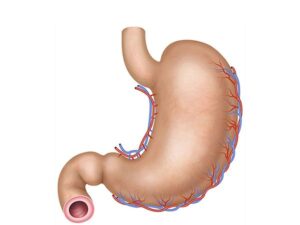
The blood supply of the stomach
24,50 € Add to basketThe blood supply of the stomach comes mainly from
the celiac trunk, through arteries such as the left and right
gastric arteries, which provide oxygen and nutrients to
stomach tissues. -
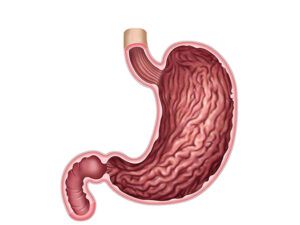
The cross section of the stomach
24,50 € Add to basketThe cross-section of the stomach shows the layers:
mucosa, submucosa, muscularis, and serosa. The
gastric mucosa produces enzymes and gastric acid that
begin food digestion. -
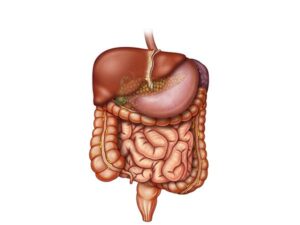
The digestive system
24,50 € Add to basketThe digestive system is a group of organs that break
down food into absorbable nutrients. It includes the
mouth, stomach, intestines, liver, and pancreas,
ensuring digestion and efficient nutrient absorption.