Marrow
Showing 157–168 of 183 results
-
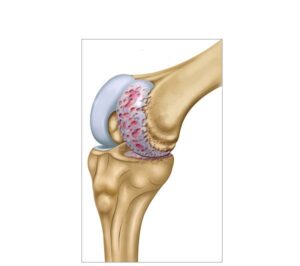
The knee joint wear
24,50 € Add to basketKnee joint wear is a degenerative condition causing cartilage loss,
pain, swelling, and reduced mobility. Moreover, it may affect daily
activities. Treatment includes physical therapy, medications, and, in
advanced cases, surgical intervention.


-
The knee osteoarthritis
24,50 € Add to basketKnee osteoarthritis is a degenerative joint disease causing cartilage
wear, pain, stiffness, and reduced mobility. Moreover, it may lead to
inflammation and crepitus. Treatment includes physical therapy,
medications, and, in severe cases, joint replacement surgery. -
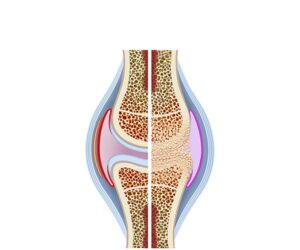
The knee with ankylosis
24,50 € Add to basketKnee with ankylosis is a condition where the joint bones fuse, causing
severe stiffness and loss of mobility. Moreover, it may result from
inflammation, trauma, or infection. Treatment includes physical therapy,
medication, and, in advanced cases, surgery. -
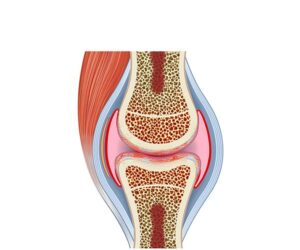
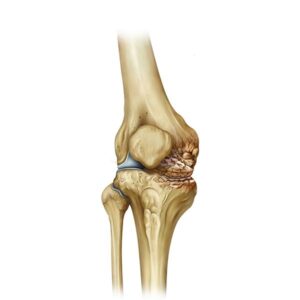
The knee with osteoarthritis
24,50 € Add to basketKnee with osteoarthritis is a degenerative joint condition causing
cartilage loss, pain, swelling, and stiffness. Moreover, it limits mobility.
Treatment includes physical therapy, medications, and, in advanced
cases, joint replacement surgery. -
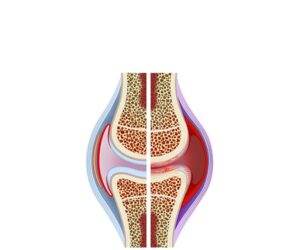
The knee with osteoarthritis
24,50 € Add to basketKnee with osteoarthritis is a degenerative joint condition
causing cartilage wear, pain, stiffness, and swelling. Moreover,
it limits mobility and affects daily life. Treatment includes
physical therapy, medications, and, in advanced cases, surgery. -
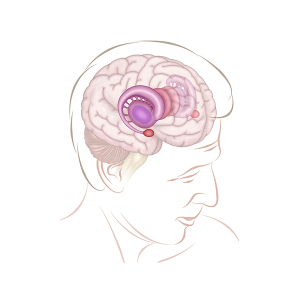
The limbic system
24,50 € Add to basketRepresentation of the human head and the limbic
system shows the location of these structures
within the brain and key components such as the
hippocampus, amygdala, and hypothalamus. -
The myelin sheath
24,50 € Add to basketThe myelin sheath is a protective layer that surrounds
the axons of neurons. First, its primary function is to
facilitate the rapid transmission of nerve impulses. -
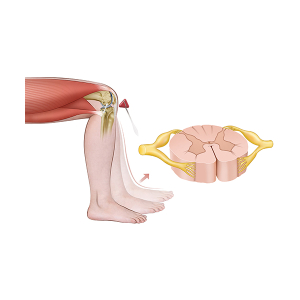
The myotatic reflexes
24,50 € Add to basketThe myotatic reflexes illustrate the neuromuscular
mechanism that enables involuntary muscle contraction
in response to stretching. First, this reflex is essential
for maintaining muscle tone and posture. -
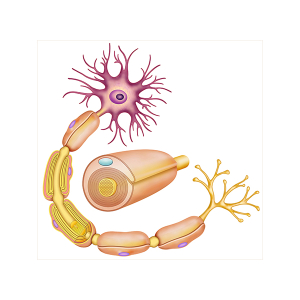
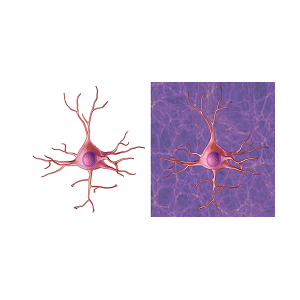
The neuron
24,50 € Add to basketThe neuron is the fundamental cell of the nervous
system. It consists of a soma, dendrites, and an axon.
In addition, each component performs specific
functions for signal transmission. -
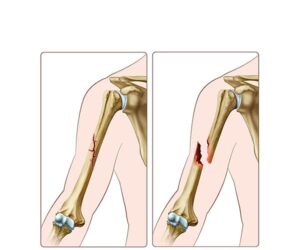
The oblique and open fractures
24,50 € Add to basketOblique and open fractures are bone injuries with different
severities. Oblique fractures show a diagonal break, while open
fractures expose bone to the environment. Moreover, both require
prompt treatment to prevent complications. -
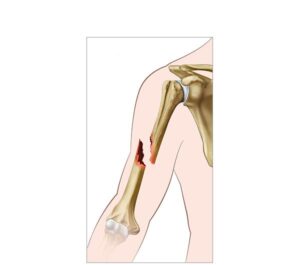
The open humerus fracture
24,50 € Add to basketOpen humerus fracture is a severe injury where the bone
breaks through the skin, increasing infection risk. Moreover,
it causes pain, bleeding, and deformity. Treatment includes
cleaning, antibiotics, immobilization, and often surgery. -
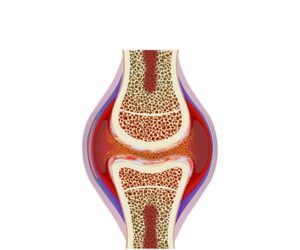
The osteoarthritis cartilage wear
24,50 € Add to basketOsteoarthritis is a degenerative joint condition that causes cartilage
loss, pain, and stiffness. Moreover, it can reduce mobility. Treatment
includes physical therapy, medications, and, in advanced cases, surgical
procedures.