Marrow
Showing 133–144 of 183 results
-
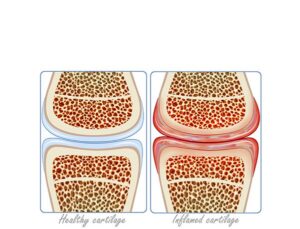
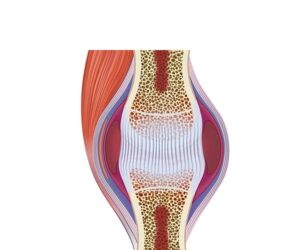
The cartilage inflammation
24,50 € Add to basketCartilage inflammation is a condition affecting joints, causing pain,
swelling, and stiffness. Moreover, it may result from injury, autoimmune
disease, or degeneration. Treatment includes anti-inflammatory drugs,
physical therapy, and, in severe cases, surgery.


-
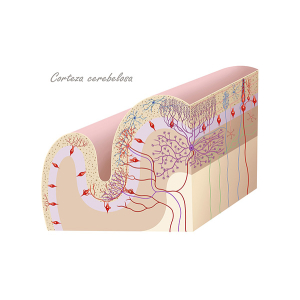
The cerebellar cortex
24,50 € Add to basketThis illustration shows the cerebellar cortex, a
structure essential for motor coordination. First,
it is important to note that it is organized into
three well-defined layers. -
The cerebral amygdala
24,50 € Add to basketThe amygdala is a brain structure located in the
temporal lobe. First, it is essential for processing
emotions, especially fear and aggression. -
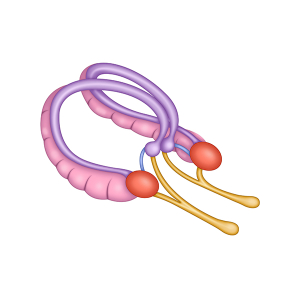
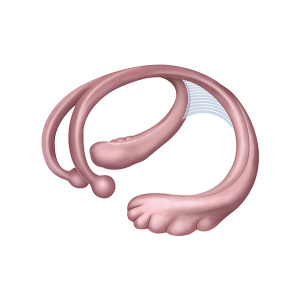
The cerebral fornix
24,50 € Add to basketThe structure of the cerebral fornix constitutes
a pathway of nerve fibers that connects various
regions of the brain. Involved in areas of
memory, emotions, and communication. -
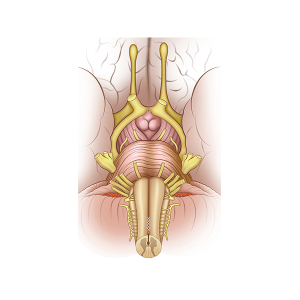
The cranial nerves
24,50 € Add to basketThe cranial nerves are a key part of the nervous system.
First, they connect the brain to the spinal cord and
control vital functions. Additionally, they contain
nuclei that regulate sensory and motor functions
of the head and neck. -
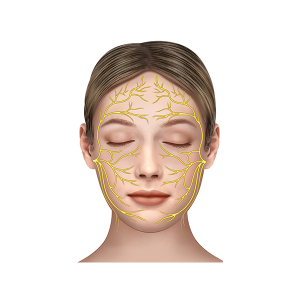
The facial nerves
24,50 € Add to basketThe facial nerves are shown on a female face, where
their distribution and function are clearly highlighted.
First, they correspond to cranial nerve VII. -
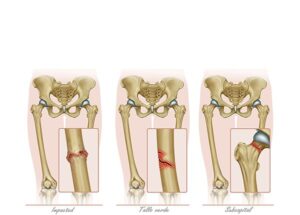
The femoral fractures
24,50 € Add to basketFemoral fractures include impacted, subcapital, and greenstick
types. Moreover, they affect bone structure and may cause pain,
deformity, and functional limitation depending on fracture location
and mechanism. -
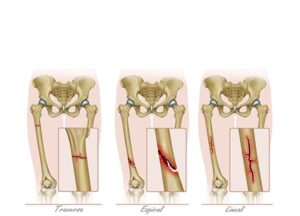
The femur bone fractures
24,50 € Add to basketFemur bone fractures include transverse, spiral, and linear
patterns depending on fracture direction. Moreover, they cause
pain, swelling, and deformity, reflecting different injury mechanisms
and levels of structural damage. -
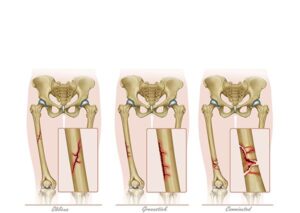
The femur bone fractures
24,50 € Add to basketFemur bone fractures include oblique, greenstick, and
comminuted patterns. Moreover, they reflect different injury
mechanisms, from partial bending to multiple fragments,
causing pain, swelling, and functional limitation. -
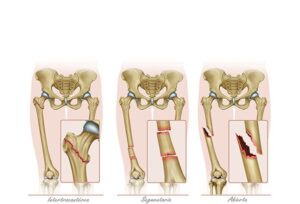
The femur bone injuries
24,50 € Add to basketFemur bone injuries include intertrochanteric, segmental, and
open fractures. Moreover, they affect bone stability and may cause
severe pain, deformity, and functional limitation, reflecting different
levels of structural damage. -
The fibrous joint ankylosis
24,50 € Add to basketFibrous joint ankylosis is a condition where fibrous tissue
limits joint movement, causing pain and stiffness. Moreover, it
reduces mobility and function. Treatment includes physical therapy,
anti-inflammatory medication, and, in advanced cases, surgery. -
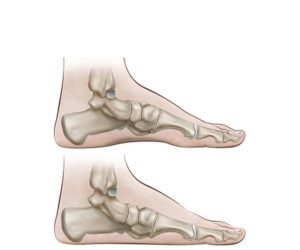
The flat foot
24,50 € Add to basketFlat foot is a condition where the plantar arch is reduced or absent,
causing pain, fatigue, and gait changes. Moreover, it may be congenital
or acquired. Treatment includes orthotics, strengthening exercises, and,
in severe cases, surgery.