Marrow
Showing 121–132 of 183 results
-
template (Copy)
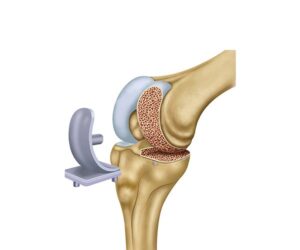
24,50 € Add to basketPartial knee replacement is a surgical procedure that replaces
only the damaged part of the knee joint. Moreover, it relieves pain
and improves mobility in localized osteoarthritis. Selection depends
on age, health status, and extent of joint damage.


-
template (Copy)
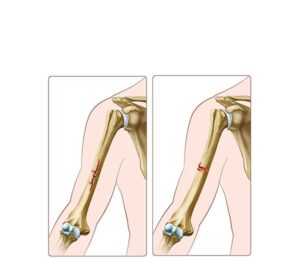
24,50 € Add to basketIncomplete and linear fracture includes partial or straight
bone breaks, commonly seen in trauma and pediatric patients.
Moreover, greenstick fractures occur due to bone flexibility and
may present with pain, swelling, and limited movement. -
The ankle pain
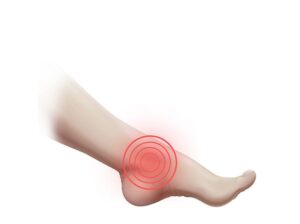
24,50 € Add to basketAnkle pain is a common condition caused by sprains, fractures,
or joint inflammation. Moreover, it can lead to swelling and difficulty
walking. Treatment includes rest, ice, physical therapy, and, in severe
cases, surgical intervention. -
The basal ganglia
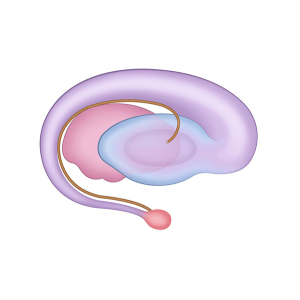
24,50 € Add to basketThe basal ganglia are a set of brain nuclei
that play a crucial role in regulating movement
and motor coordination. They are located on
either side of the thalamus. -
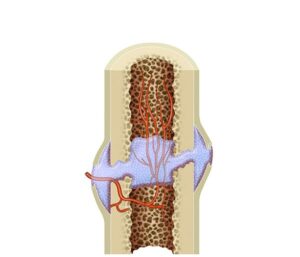
The bone fracture and healing
24,50 € Add to basketBone fracture and healing describe the repair process after
a bone break, including hematoma formation, callus development,
and remodeling. Moreover, it involves biological mechanisms that
restore bone structure and function. -
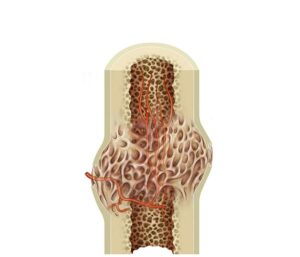
The bone fracture ossification
24,50 € Add to basketBone fracture ossification is the process of new bone formation after
a fracture. Moreover, it involves osteoblast activity and callus formation,
leading to bone consolidation and progressive strengthening. -
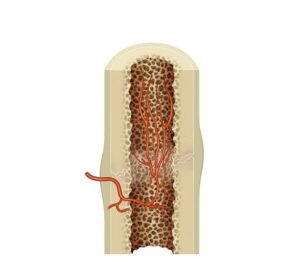
The bone fracture remodeling
24,50 € Add to basketBone fracture remodeling is the final healing stage, where bone
is reorganized and strengthened. Moreover, osteoclasts and
osteoblasts reshape the callus, restoring structure and improving
mechanical resistance. -
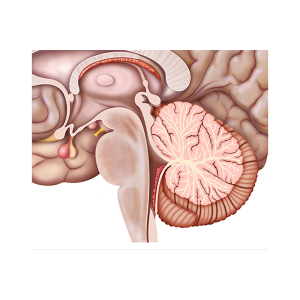
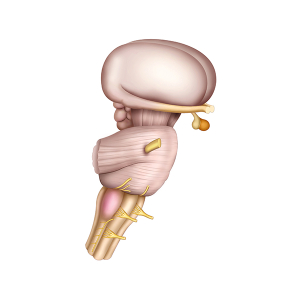
The brain stem
24,50 € Add to basketThis illustration shows the brainstem. First, this
structure is vital for the basic functions of the
nervous system. Additionally, it is located at the
base of the brain and connects the encephalon
with the spinal cord. -
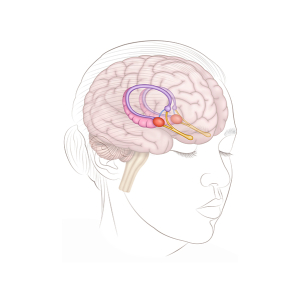
The brain stem
24,50 € Add to basketRepresentation of the human head and the limbic
system shows the location of these structures
within the brain and key components such as the
hippocampus, amygdala, and hypothalamus. -
The brain tonsils
24,50 € Add to basketThe brain tonsils. This representation of the human
head shows the location and function of these key
structures in the brain. First, the amygdalae are
located in the temporal lobe. -
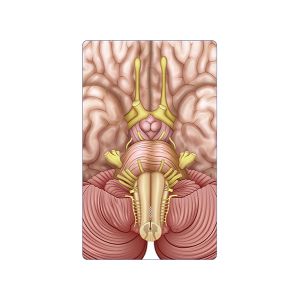
The brainstem
24,50 € Add to basketThe brainstem provides a detailed view of the
structures in the lower part of the encephalon.
First, it regulates vital functions such as breathing
and heart rate.
-
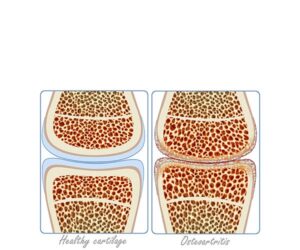
The cartilage in osteoarthritis
24,50 € Add to basketCartilage in osteoarthritis progressively deteriorates, causing
joint pain, stiffness, and inflammation. Moreover, it leads to bone
friction and reduced mobility. Treatment includes physical therapy,
medications, and, in advanced cases, surgery.