Nerves
Showing 1–12 of 251 results
-
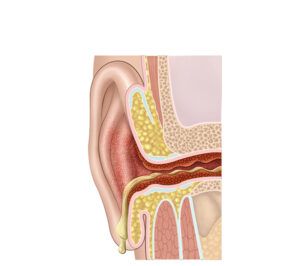
Acute otitis externa
24,50 € Add to basketThe acute otitis externa has an altered function in hearing conduction.
Moreover, under normal conditions, the ear canal protects the inner ear.
Additionally, earwax acts as a natural barrier.


-
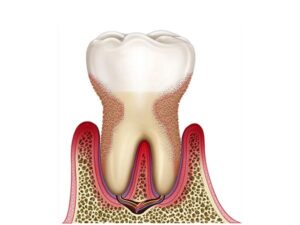
Advanced periodontal stage
24,50 € Add to basketThe advanced periodontal stage is a severe form of periodontitis
with extensive bone loss, gum recession, and tooth mobility,
often leading to tooth loss and requiring advanced treatment. -
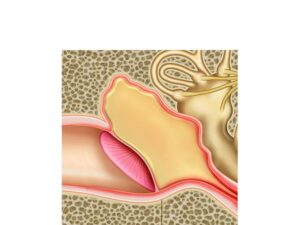
Advanced serous otitis media
24,50 € Add to basketThe advanced serous otitis media has an altered function in
hearing. Moreover, under normal conditions, the middle ear is
air-filled. Additionally, the Eustachian tube regulates pressure.
Furthermore, it impairs sound transmission. -
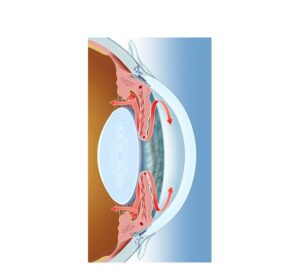
Altered aqueous humor drainage
24,50 € Add to basketAlteration of aqueous humor drainage in an eye with glaucoma. It
shows how a blockage in the trabecular meshwork or in Schlemm’s
canal prevents proper fluid flow, causing an increase in intraocular
pressure. -
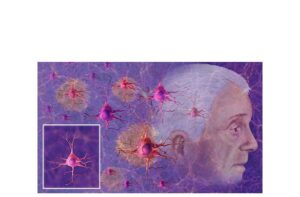
Alzheimer’s neuronal deterioration
24,50 € Add to basketThe neuronal degeneration in Alzheimer’s disease has an altered
function in the nervous system. Moreover, under normal conditions,
neurons communicate efficiently. Additionally, they support memory
consolidation. -
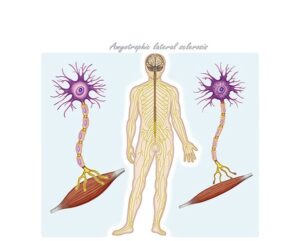
Amyotrophic lateral sclerosis (ALS)
24,50 € Add to basketAmyotrophic lateral sclerosis is a progressive degeneration of
motor neurons. These neurons are located in the motor cortex
and the spinal cord. In addition, its deterioration interrupts the
signal transmission. -
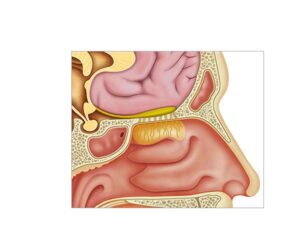
Anatomy and physiology of smell
24,50 € Add to basketAnatomy and physiology of smell: a system that detects odors
in the nasal mucosa, it transmits signals through the olfactory
nerve and processes them in the olfactory bulb in the brain. -
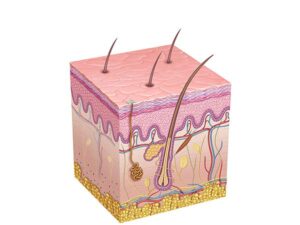
Anatomy and physiology of the skin
24,50 € Add to basketThe skin is the largest organ of the human body. It consists of
the epidermis, dermis, and hypodermis, which protect, regulate
temperature, and enable sensation through vessels, nerves, and
skin appendages. -
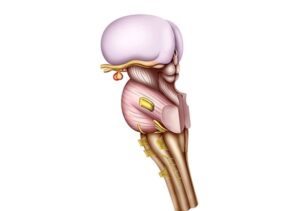
Anatomy Brainstem
24,50 € Add to basketThis illustration represents the anatomy of the
brainstem. First, it shows the inferior portion of
the brain, which connects the spinal cord with
higher structures. -
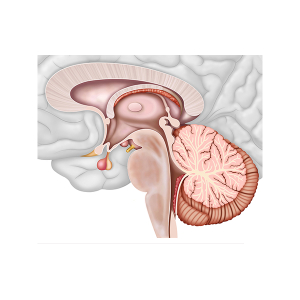
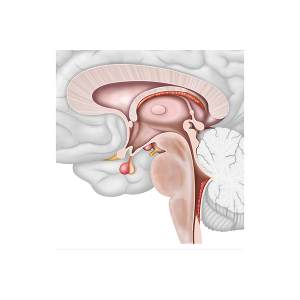
Anatomy of the brain
24,50 € Add to basketThe illustration displays the brainstem. First,
this structure corresponds to the lower portion
of the brain. Additionally, it connects the spinal
cord with the upper structures of the brain. -
Anatomy of the brainstem
24,50 € Add to basketThe anatomy of the brainstem, also known as the brain
stem, is one of the most important structures of the central
nervous system. This region is located in the lower part of
the brain and establishes a direct connection between the
brain and the spinal cord..
-
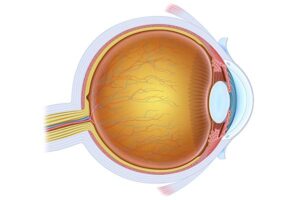
Anatomy of the eye
24,50 € Add to basketHuman eye anatomy includes structures such as the cornea,
iris, pupil, lens, retina, and optic nerve. These components work
together to focus light, convert it into nerve signals, and allow
the brain to perceive visual images clearly.