Nerves
Showing 241–251 of 251 results
-
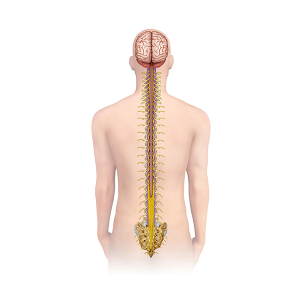
The vertebral column
24,50 € Add to basketThe vertebral column is the bony structure that forms
the central axis of the human skeleton and houses the
spinal cord. It also provides support for the body and
protects the central nervous system.


-
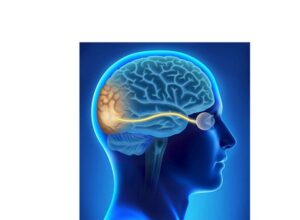
The visual system
24,50 € Add to basketThe visual system includes the eye, optic nerve, and
visual cortex. These structures convert light into nerve
signals that allow the brain to perceive images, colors,
shapes, and movement. -
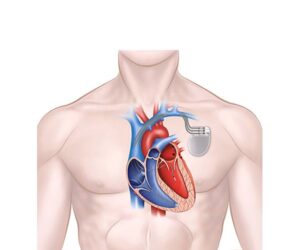
Tricameral pacemaker
24,50 € Add to basketTricameral pacemaker. This illustration shows a medical
device implanted in the heart to regulate the heart rate. The
system stimulates the atria and ventricles to coordinate the
contraction between the chambers, improving efficiency in
cases of heart failure. -
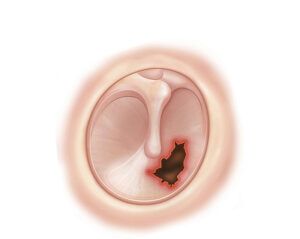
Tympanic membrane rupture
24,50 € Add to basketThe tympanic membrane rupture has an altered function in
hearing. Moreover, under normal conditions, the eardrum
vibrates when receiving sound waves. Additionally, it transmits
these vibrations to the ossicles. -
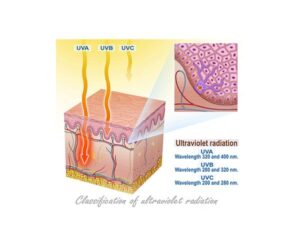
Ultraviolet radiation in the skin
24,50 € Add to basketEs un hecho establecido hace demasiado tiempo que
un lector se distraerá con el contenido del texto de un
sitio mientras que mira su diseño. El punto de usar
Lorem Ipsum -
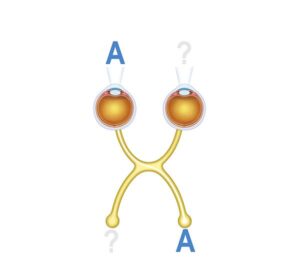
Visual amblyopia
24,50 € Add to basketVisual amblyopia, also known as “lazy eye“, is a condition in which
one eye does not develop properly during childhood. May result in
reduced vision in that eye, even with optical correction. -
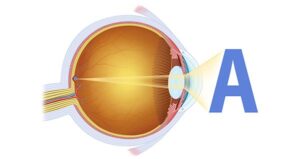
Visualization of the object
24,50 € Add to basketObject visualization occurs when light enters the eye,
is focused on the retina and converted into nerve signals
that travel through the optic nerve to the brain, allowing
the perception of colors, shapes, and fine visual details. -
Vocal cords at rest
24,50 € Add to basketVocal cords at rest: relaxed state where they remain open,
allowing airflow without vibration or sound, essential for
breathing and vocal control. -
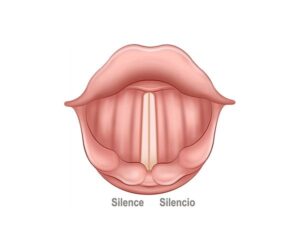
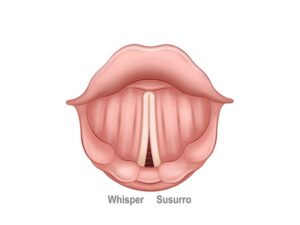
Vocal cords in whisper
24,50 € Add to basketVocal cords in whisper: the position where they approximate
without full vibration, allowing airflow and producing a soft,
low sound without the intensity of normal phonation.<p>
-
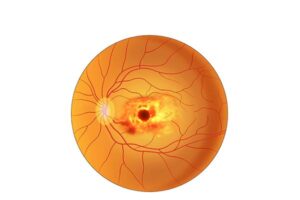
Wet Macular Degeneration
24,50 € Add to basketWet macular degeneration (AMD), in which abnormal blood
vessels grow beneath the retina, leading to leakage of fluid or blood.
This buildup of fluid can damage the macula and severely affect central
vision. It is characterized by neovascularization and leakage, explaining
the rapid loss of central vision and macular damage. -
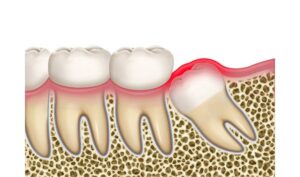
Wisdom tooth
24,50 € Add to basketThe wisdom tooth has a general function in chewing. Moreover,
under normal conditions, it contributes to grinding food.
Additionally, it is part of the permanent dentition. Furthermore,
it participates in oral function.