Nerves
Showing 13–24 of 251 results
-
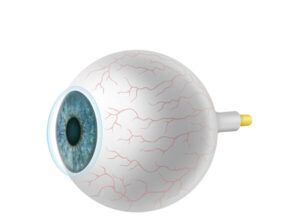
Anatomy of the eyeball
24,50 € Add to basketThe eyeball is a spherical structure composed of layers
such as the sclera, cornea, and retina. These structures
allow light to enter the eye, focus images, and convert
light into nerve signals for vision.


-
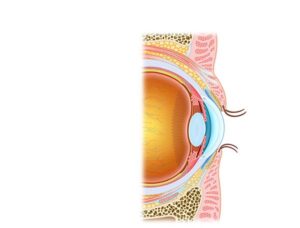
Anatomy of the eyelids
24,50 € Add to basketThe eyelids protect the eye and help maintain ocular
moisture through blinking. Eyelashes and sebaceous
glands prevent particles from entering the eye and
support tear film stability. -
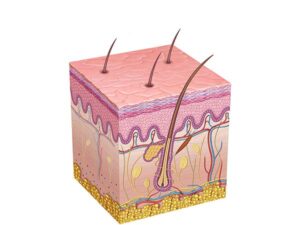
Anatomy of the Human Skin
24,50 € Add to basketHuman skin is the largest organ of the body. It is composed
of the epidermis, dermis, and hypodermis, which protect,
regulate temperature, and enable sensation through vessels,
nerves, and skin appendages. -
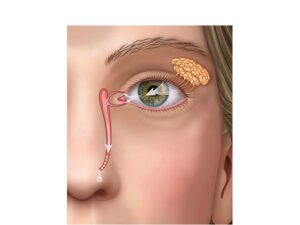
Anatomy of the lacrimal glands
24,50 € Add to basketAnatomy of the lacrimal glands: eye structures that produce
tears, lubricate the surface, remove particles, and protect
against infections, maintaining a balance between production
and drainage. -
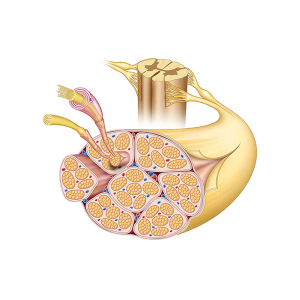
Anatomy of the nerve
24,50 € Add to basketThe anatomy of the nerve is composed of nerve fibers,
sheaths, and blood vessels. These fibers are made up
of axons and dendrites that transmit signals.
-
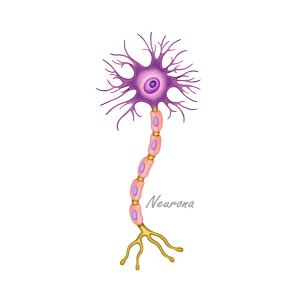
Anatomy of the neuron
24,50 € Add to basketThe anatomy of the neuron focuses on the structure
and function of these nerve cells. First, the neuron
consists of key parts such as the cell body, dendrites,
and axons.
-
Anatomy of the Optic Nerve
24,50 € Add to basketThe optic nerve connects the retina to the brain and
transmits electrical signals generated by photoreceptors.
These signals are processed in the visual cortex, allowing
the brain to interpret visual images. -
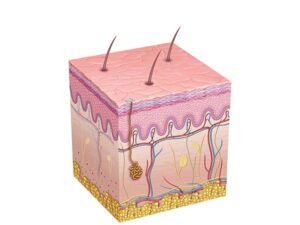
Anatomy of the skin
24,50 € Add to basketThe skin is the largest organ of the human body. It consists
of the epidermis, dermis, and hypodermis, which protect,
regulate temperature, and enable sensory perception through
vessels, nerves, and skin appendages. -
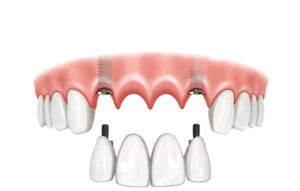
Anterior dental bridge
24,50 € Add to basketThe anterior dental bridge has an essential function in oral
rehabilitation. Moreover, under normal conditions, anterior
teeth contribute to chewing and speech. Additionally, they
enhance facial aesthetics. -
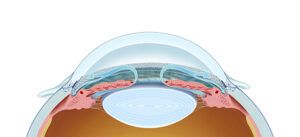
Aqueous humor of the eye
24,50 € Add to basketAqueous humor is a clear fluid that nourishes the <br />cornea and lens while maintaining intraocular pressure
and eye shape.</p> -
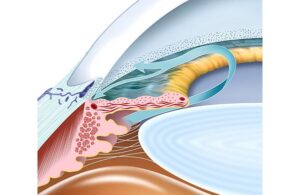
Aqueous humour drainage
24,50 € Add to basketAqueous humor drainage describes the flow of fluid from
the ciliary bodies through the trabecular meshwork and
Schlemm’s canal to the venous system. -
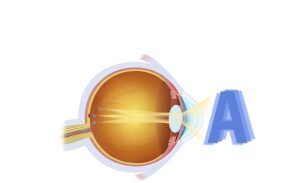
Astigmatism vision
24,50 € Add to basketAstigmatism affects vision. People with astigmatism see things
blurry and distorted, and have trouble focusing both up close and
far away. Glasses, contact lenses, and refractive procedures like
laser surgery can correct astigmatism.