Marrow
Showing 37–48 of 183 results
-
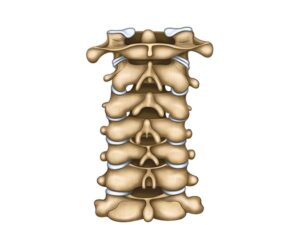
Cervical vertebrae posterior view
24,50 € Add to basketPosterior view of the cervical vertebrae. These are the
bony structures in the neck region of the spine. They are
located at the back of the neck and consist of seven
vertebrae numbered C1 through C7.


-
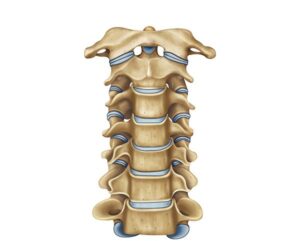
Cervical vertebrae, frontal view
24,50 € Add to basketCervical vertebrae in frontal view. The seven vertebrae that
make up the cervical region of the spine are shown. Numbered
C1 through C7, these bony structures form the neck, providing
support and flexibility. -
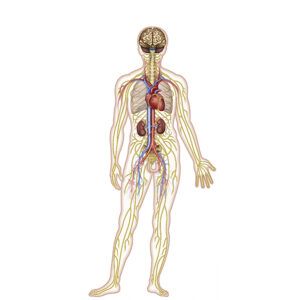
Circulatory and Nervous Systems
24,50 € Add to basketThe spinal nervous system is an essential component
of the peripheral nervous system and plays a fundamental
role in communication between the spinal cord and the
rest of the body. -
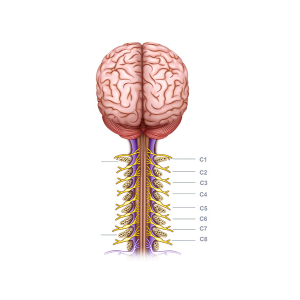
Classification of cervical nerves
24,50 € Add to basketThe classification of the cervical nerves describes the
organization of the nerves that originate in the cervical
region of the spinal cord. These nerves are distributed to
the neck, shoulders, and other nearby structures. -
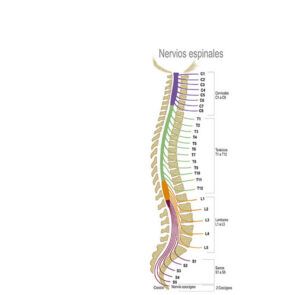
Classification of spinal nerves
24,50 € Add to basketSpinal nerves are essential components of the peripheral
nervous system plays a crucial role in communication
between the spinal cord and the rest of the body. -
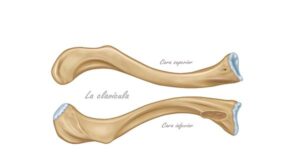
Clavicle bone
24,50 € Add to basketThe clavicle. Also known as the collarbone, it is a long, slender
bone that connects the scapula to the sternum. It is located in
the upper part of the thorax and forms part of the appendicular
skeleton. -
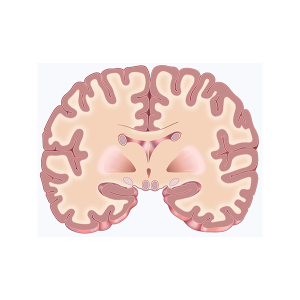
Coronal brain section
24,50 € Add to basketSchematic illustration of the coronal section
of the brain. In this view, several important
internal structures can be clearly observed. -
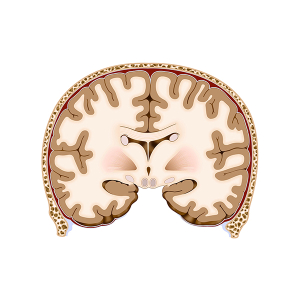
Coronal section of the brain
24,50 € Add to basketThis anatomical illustration of a coronal section
of the brain shows the brain structure in detail.
First, it highlights key elements such as the
cortex, hypothalamus, and ventricles. -
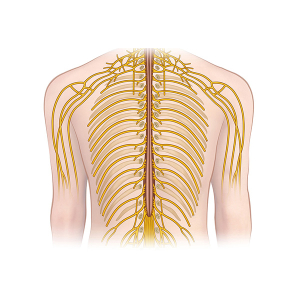
Dorsal nerve branching
24,50 € Add to basketThe dorsal nerve branching refers to the extension of
nerves from the posterior part of the spinal cord. This
structure enables the transmission of sensory information
to the central nervous system. -
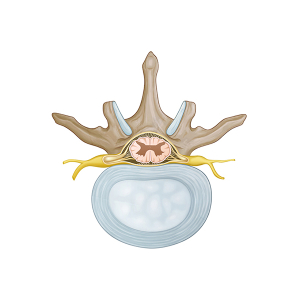
Dorsal vertebra anatomy
24,50 € Add to basketThe anatomy of the dorsal vertebra shows an
intermediate structure in the spine, located
between the cervical and lumbar vertebrae, and
its organization allows function within the
musculoskeletal system. -
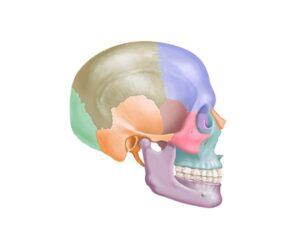
Facial and cranial bones
24,50 € Add to basketThe facial and cranial bones form the bony structure of
the head, protecting the brain and providing support for the
facial muscles. The skull is composed of bones such as the
frontal, parietal, temporal, and occipital bones. -
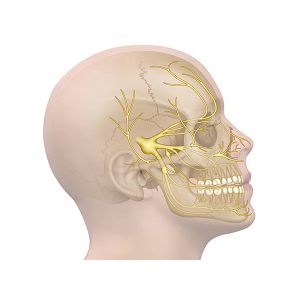
Facial nerve structure
24,50 € Add to basketThe structure of the facial nerves is essential
for controlling the muscles of the face and
transmitting sensory signals. First, the facial
nerve originates in the brainstem