Nerves
Showing 109–120 of 251 results
-
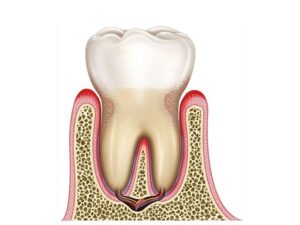
Initial periodontal phase
24,50 € Add to basketThe initial periodontal phase has an altered function in gingival
health. Moreover, under normal conditions, the gum protects dental
structures. Additionally, the periodontal ligament maintains tooth
attachment.


-
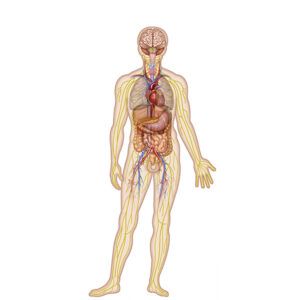
Innervation of vital organs
24,50 € Add to basketThe innervation of vital organs represents the complex
network of nerve connections that allows communication
between the central nervous system and the essential
organs of the human body. -
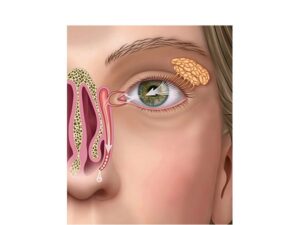
Lacrimal glands
24,50 € Add to basketLacrimal glands: structures in the upper outer eye that produce
tears, lubricate the ocular surface, remove particles, and protect
against infections with substances like antibodies. -
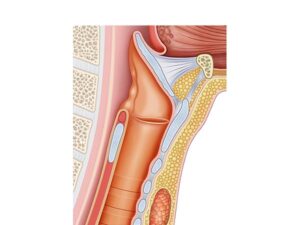
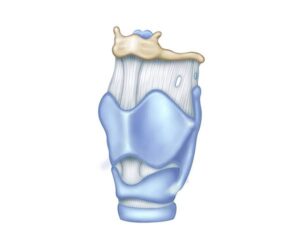
Larynx anatomy
24,50 € Add to basketLarynx anatomy: an organ of the respiratory system with vocal
cords, cartilages, and epiglottis that regulate airflow, produce voice,
and protect the airways. -
Larynx anatomy
24,50 € Add to basketLarynx anatomy: a cartilaginous organ in the neck that
regulates airflow, houses the vocal cords for phonation,
and protects airways through the epiglottis. -
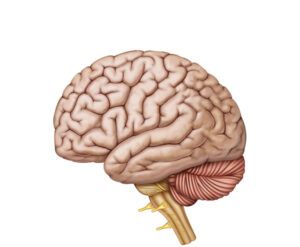
Lateral view of the brain
24,50 € Add to basketLateral view of the brain. This anatomical representation shows
the main sulci and lobes of the nervous system. The structure
includes the frontal, parietal, temporal, and occipital sectors. Each
area manages specific processes such as memory, sensory
perception, and cognition. -
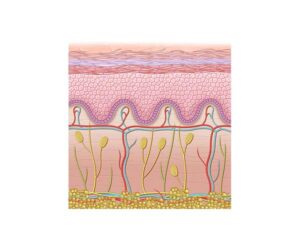
Layers of human skin
24,50 € Add to basketHuman skin is composed of epidermis, dermis, and hypodermis.
These layers protect against pathogens, regulate temperature,
and enable sensory perception through melanin, vessels, and skin
appendages. -
Legs in Parkinson’s disease
24,50 € Add to basketThe legs in Parkinson’s disease have an altered function in mobility.
Moreover, under normal conditions, dopamine regulates voluntary
movements. Additionally, it allows smooth and coordinated execution. -
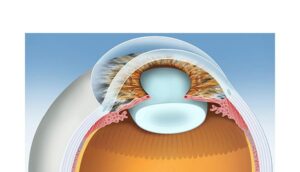
Lens of the eye
24,50 € Add to basketThe crystalline lens is a transparent and flexible structure
located behind the iris that focuses light onto the retina.
Through accommodation, controlled by the ciliary muscles,
the lens changes shape to focus on objects at different
distances. -
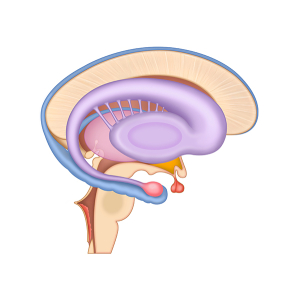
Limbic brain structures
24,50 € Add to basketThe limbic structures of the brain are composed
of several interconnected regions that regulate
emotions, memory, and behavior. First, they
include the hippocampus, which is essential
for memory and learning.
-
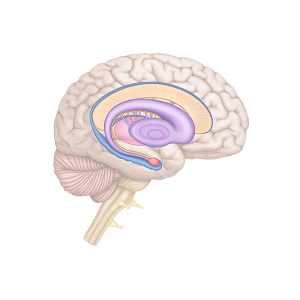
Limbic system
24,50 € Add to basketThe limbic system is a group of brain structures that
regulates emotions, memory, and behavior. First, this
system includes regions such as the hippocampus,
the amygdala, and the hypothalamus. -
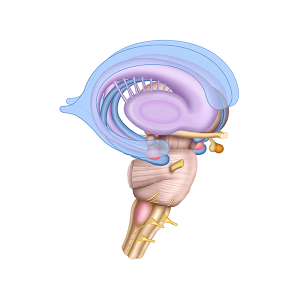
Limbic system anatomy
24,50 € Add to basketLimbic system anatomy comprises a set of brain
structures involved in regulating emotions, memory,
and motivation. First, this system includes the
hippocampus, the amygdala, and the hypothalamus.