Sight
Showing 1–12 of 35 results
-
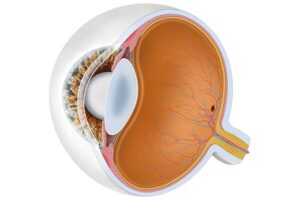
Anatomy of the eye
24,50 € Add to basketEye anatomy includes the cornea, iris, pupil, lens, and retina
and the optic nerve that work together to capture light and create
visual perception.


-
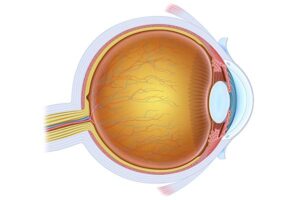
Anatomy of the eye
24,50 € Add to basketHuman eye anatomy includes structures such as the cornea,
iris, pupil, lens, retina, and optic nerve. These components work
together to focus light, convert it into nerve signals, and allow
the brain to perceive visual images clearly. -
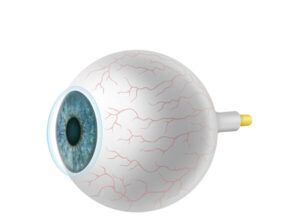
Anatomy of the eyeball
24,50 € Add to basketThe eyeball is a spherical structure composed of layers
such as the sclera, cornea, and retina. These structures
allow light to enter the eye, focus images, and convert
light into nerve signals for vision. -
Anatomy of the eyelids
24,50 € Add to basketThe eyelids protect the eye and help maintain ocular
moisture through blinking. Eyelashes and sebaceous
glands prevent particles from entering the eye and
support tear film stability. -
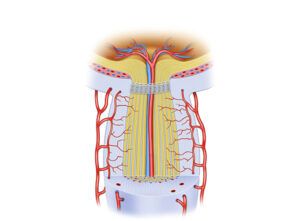
Anatomy of the Optic Nerve
24,50 € Add to basketThe optic nerve connects the retina to the brain and
transmits electrical signals generated by photoreceptors.
These signals are processed in the visual cortex, allowing
the brain to interpret visual images. -
Aqueous humor of the eye
24,50 € Add to basketAqueous humor is a clear fluid that nourishes the <br />cornea and lens while maintaining intraocular pressure
and eye shape.</p> -
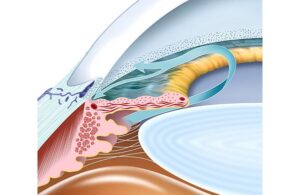
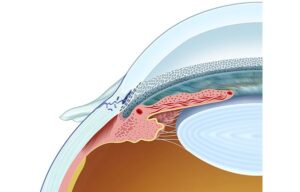
Aqueous humour drainage
24,50 € Add to basketAqueous humor drainage describes the flow of fluid from
the ciliary bodies through the trabecular meshwork and
Schlemm’s canal to the venous system. -
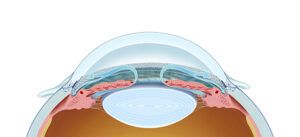
Cornea and ocular surface
24,50 € Add to basketThe cornea and ocular surface allow light to enter the eye
and contribute to focusing images on the retina. In addition,
the cornea protects the eye and maintains visual clarity
through its transparency and curved structure. -
Detail of Schlemm’s canal
24,50 € Add to basketSchlemm’s canal collects aqueous humor filtered by the
trabecular meshwork and directs it to the venous system,
helping regulate eye pressure. -
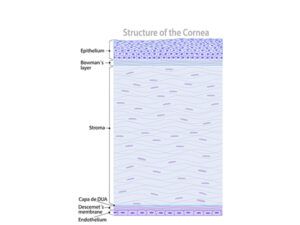
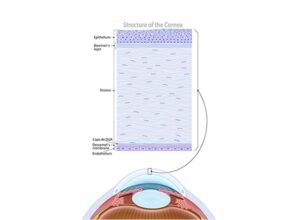
Diagram of the cornea
24,50 € Add to basketThe corneal layer is the transparent front structure of
the eye. It allows light to enter the eye, contributes to
light refraction, and protects internal eye structures,
helping form clear images on the retina. -
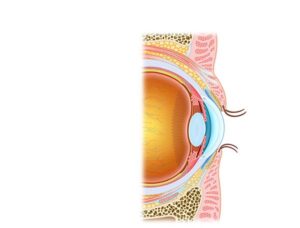
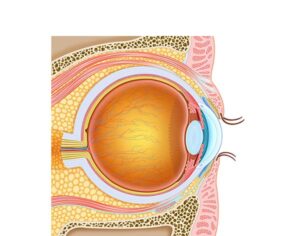
Eye and eyelids anatomy
24,50 € Add to basketEye and eyelid anatomy includes structures responsible
for vision and protection. The eye focuses light onto the
retina, while the eyelids protect the eyeball and distribute
tears to keep the ocular surface hydrated. -
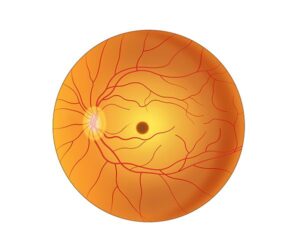
Eye with healthy macula
24,50 € Add to basketThe healthy macula is responsible for central and detailed
vision. Its photoreceptor cells allow clear perception of colors,
contrasts, and fine visual details, making it essential for tasks
such as reading and recognizing faces.