Showing 157–168 of 1048 results
-
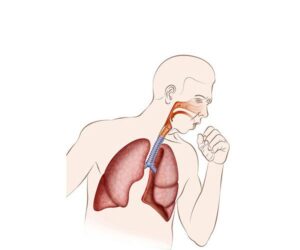
Bronchopulmonary inflammation
24,50 € Add to basketBronchopulmonary inflammation is caused by irritants or
infections, leading to mucus buildup and airway narrowing,
which results in coughing and breathing difficulty.


-
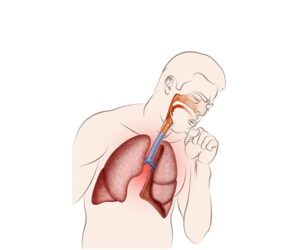
Bronchopulmonary irritation
24,50 € Add to basketBronchopulmonary irritation. It represents the inflammation
of bronchi and lungs with mucus production, causing cough,
respiratory difficulty and discomfort, generally associated with
infections or exposure to irritants. -
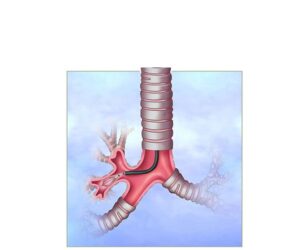
Bronchoscopy exam
24,50 € Add to basketThe bronchial tubes transport air to the lungs. In conditions such
as bronchitis and asthma, they exhibit inflammation, mucus, or
constriction, altering airflow, and breathing. -
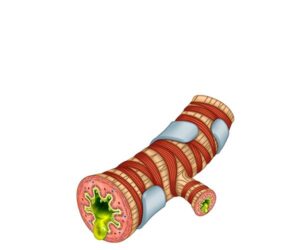
Bronchus with bronchitis
24,50 € Add to basketThe bronchus with bronchitis presents inflammation, excess
mucus, and muscle contraction. The bronchus with bronchitis
shows structural changes that affect airflow. This narrows the
airways and makes breathing difficult. -
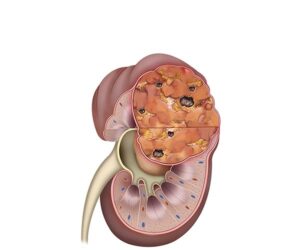
Cancerous kidney tumor
24,50 € Add to basketCancerous kidney tumor. This representation details the
development of malignant cells in the adult renal system. The text
addresses main symptoms such as hematuria and abdominal
pain. It also presents the genetic and environmental risk factors
that influence the overall prognosis -
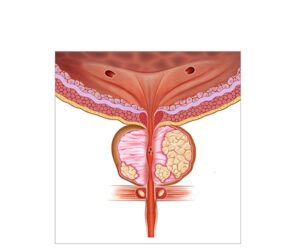
Cancerous prostate
24,50 € Add to basketCancerous prostate is a common malignant tumor in older men
caused by uncontrolled prostate cell growth. Moreover, it may cause
urinary symptoms and spread to other organs. Diagnosis includes PSA
testing and biopsy, while treatment depends on stage and progression. -
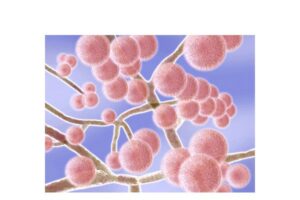
Candida auris fungus
24,50 € Add to basketCandida auris is an emerging multidrug-resistant fungus
causing severe infections, especially in healthcare settings
and immunocompromised patients. -
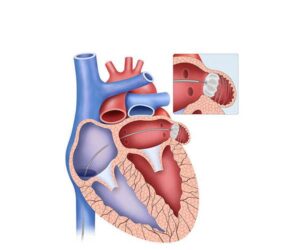
Cardiac atrial appendage
24,50 € Add to basketThe cardiac atrial appendage has a general function related to
atrial dynamics. Moreover, under normal conditions, it may
contribute to left atrial contraction. Additionally, it may act as
a temporary blood reservoir. -
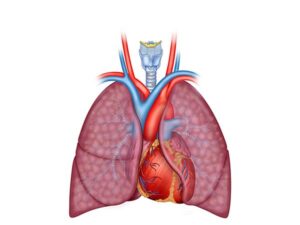
Cardiopulmonary anatomy
24,50 € Add to basketCardiopulmonary anatomy describes how the heart,
lungs, and blood vessels work together to circulate
oxygen, remove carbon dioxide, and support cellular
metabolism and physiological balance. -
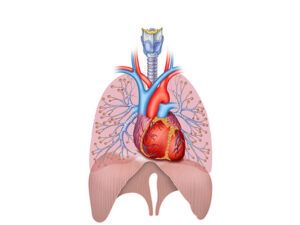
Cardiopulmonary System
24,50 € Add to basketThe cardiopulmonary system integrates the heart and
lungs to circulate oxygen, remove carbon dioxide, and
deliver nutrients throughout the body, supporting cellular
function and maintaining physiological balance. -
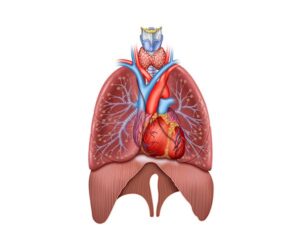
Cardiopulmonary system anatomy
24,50 € Add to basketCardiopulmonary system anatomy describes how the heart,
lungs, and blood vessels work together to transport oxygen,
remove carbon dioxide, and support circulation and
respiration. -
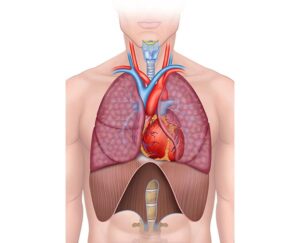
Cardiorespiratory anatomy
24,50 € Add to basketCardiorespiratory anatomy describes how the heart and
lungs work together to circulate oxygen, remove carbon
dioxide, and support cellular metabolism and body balance.