Showing 169–180 of 1048 results
-
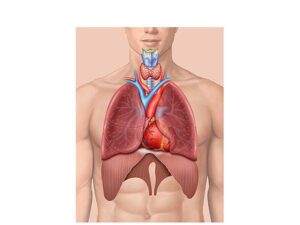
Cardiorespiratory representation
24,50 € Add to basketA cardiorespiratory representation shows how the heart
and lungs interact to circulate oxygenated blood, remove
carbon dioxide, and support essential body functions.


-
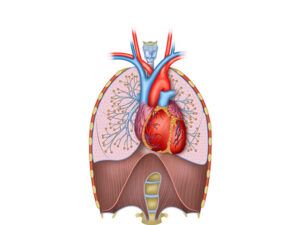
Cardiorespiratory system
24,50 € Add to basketThe cardiorespiratory system combines the heart and
lungs to circulate oxygen, remove carbon dioxide, and
maintain stable oxygen levels essential for cellular activity. -
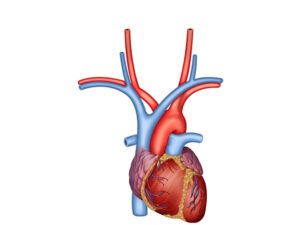
Cardiovascular system
24,50 € Add to basketThe cardiovascular system includes the heart and blood
vessels. It circulates blood throughout the body, transporting
oxygen, nutrients, hormones, and waste products while
supporting cellular function and maintaining internal balance. -
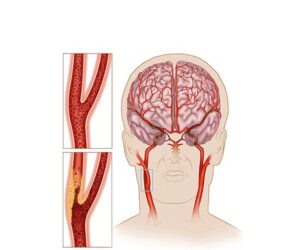
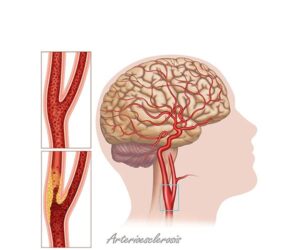
Carotid arteriosclerosis
24,50 € Add to basketCarotid arteriosclerosis. Diseases where cholesterol plaques narrow
the carotid artery, reducing the flow to the brain and increasing the
risk of stroke and cardiovascular complications. Prevention with
healthy habits is key. -
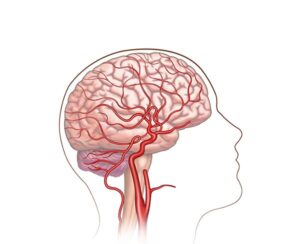
Carotid artery branching
24,50 € Add to basketCarotid artery branching. This illustration represents the division
of the artery into its internal and external branches. The diagram
shows how the internal branch irrigates the brain while the external
one supplies blood to the neck and face, ensuring blood flow and
oxygen supply. -
Carotid artery stenosis
24,50 € Add to basketCarotid artery stenosis. Narrowing of the main artery that carries blood to
the brain by the accumulation of plaques, reducing the blood supply flow
and increasing the risk of stroke, requiring timely diagnosis and treatment. -
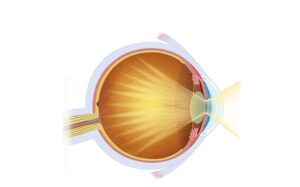
Cataract focusing
24,50 € Add to basketThe cataract focuses. This is affected when the lens, the eye’s
natural lens, becomes cloudy. Cataracts can blur vision, cause hazy
sight, and impair the ability to focus properly. -
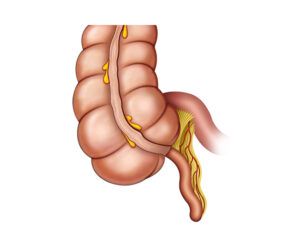
Cecum and appendix
24,50 € Add to basketThe cecum and appendix form the first part of the large
intestine. They receive content from the small intestine,
help absorb fluids, and support immune functions within
the digestive system. -
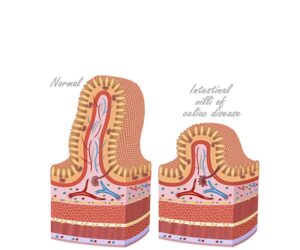
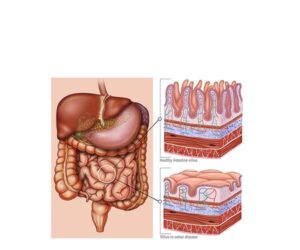
Celiac and healthy villi
24,50 € Add to basketThe healthy and celiac villi compare normal intestinal structures
with those damaged by gluten. This alteration reduces the absorption
of nutrients, causes digestive symptoms, and can lead to deficiencies
nutritional deficiencies if a strict gluten-free diet is not followed -
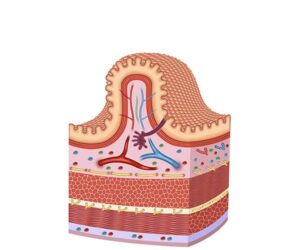
Celiac disease
24,50 € Add to basketCeliac disease is an autoimmune disorder in which gluten
damages the intestinal villi. This reduces the absorption
of nutrients and causes digestive symptoms and nutritional
deficiencies. -
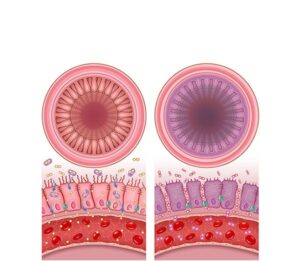
Celiac disease autoimmune disorder
24,50 € Add to basketCeliac disease is an autoimmune disorder in which gluten damages
the intestinal villi. This reduces the absorption of nutrients, causes
digestive symptoms such as diarrhea and abdominal pain, and can
cause nutritional deficiencies if not treated with a gluten-free diet. -
Celiac intestinal disease
24,50 € Add to basketCeliac intestinal disease: an autoimmune disorder where gluten
causes atrophy of the small intestine villi. This prevents nutrient
absorption and generates fatigue, diarrhea, and weight loss. The only
effective treatment is a lifelong gluten-free diet.