Showing 229–240 of 1048 results
-
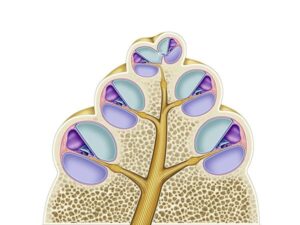
Cochlea cross section
24,50 € Add to basketThe cross-section of the cochlea shows the spiral structure
of the inner ear. It contains the organ of Corti, where hair
cells transform sound vibrations into electrical signals that
allow us to perceive different frequencies and tones.


-
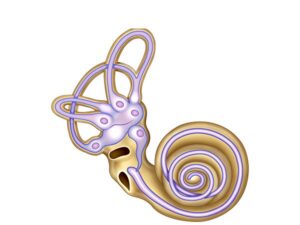
Cochlear ducts
24,50 € Add to basketCochlear ducts are spiral structures inside the cochlea of
the inner ear. They contain fluid and the organ of Corti,
where hair cells convert sound vibrations into electrical
signals that allow the brain to detect different sound
frequencies. -
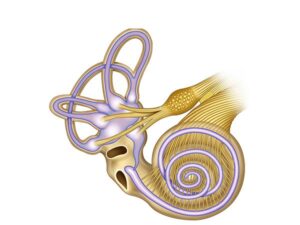
Cochlear vestibular system
24,50 € Add to basketThe vestibulocochlear system connects the cochlea and
the vestibular system with the brain. The cochlea processes
sound, while the vestibular system controls balance and
spatial orientation. -
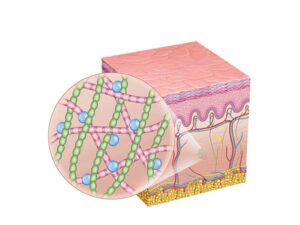
Collagen structure
24,50 € Add to basketCollagen structure forms a fibrillar network that provides
strength and elasticity to the skin, supporting the dermal
extracellular matrix. -
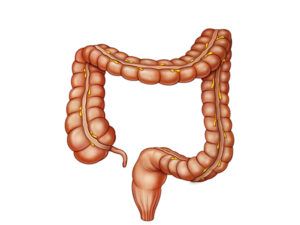
Colon anatomy
24,50 € Add to basketColon anatomy describes the final part of the digestive
system, where water is absorbed, and feces are formed,
including the cecum and colon segments. -
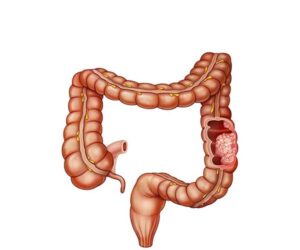
Colon cancer tumor
24,50 € Add to basketCancerous colon tumor. A malignant mass that affects the intestine
thick, causing intestinal changes, rectal bleeding, and weight loss
weight, with early detection through colonoscopy being key. -
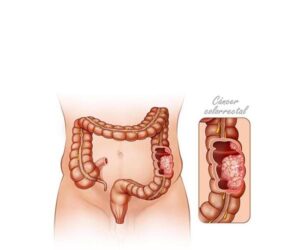
Colorectal cancer
24,50 € Add to basketColorectal cancer. A malignant tumor that affects the colon or rectum,
altering intestinal transit and causing symptoms such as bleeding,
digestive changes and weight loss, requiring diagnosis early through
colonoscopy. -
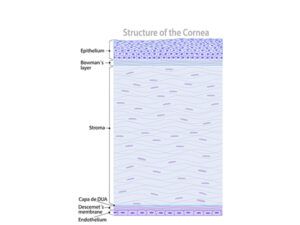
Cornea and ocular surface
24,50 € Add to basketThe cornea and ocular surface allow light to enter the eye
and contribute to focusing images on the retina. In addition,
the cornea protects the eye and maintains visual clarity
through its transparency and curved structure. -
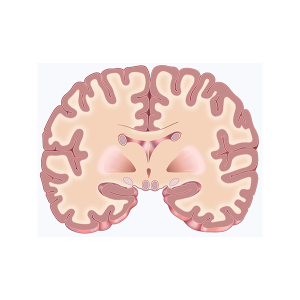
Coronal brain section
24,50 € Add to basketSchematic illustration of the coronal section
of the brain. In this view, several important
internal structures can be clearly observed. -
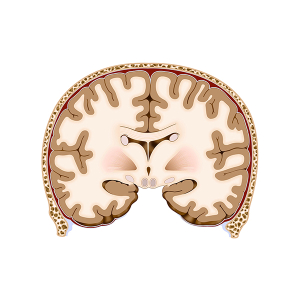
Coronal section of the brain
24,50 € Add to basketThis anatomical illustration of a coronal section
of the brain shows the brain structure in detail.
First, it highlights key elements such as the
cortex, hypothalamus, and ventricles. -
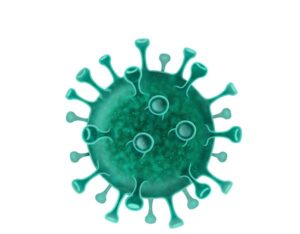
Coronavirus COVID-19
24,50 € Add to basketCoronavirus COVID-19 is a respiratory infection caused by
SARS-CoV-2, spreading through droplets, with variable
symptoms and global health impact. -
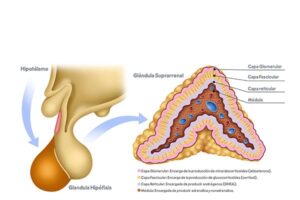
Cortisol production
24,50 € Add to basketCortisol production occurs in the adrenal cortex after
ACTH stimulation from the pituitary. It regulates
metabolism, blood pressure, and the body’s response
to stress.