Showing 265–276 of 1048 results
-
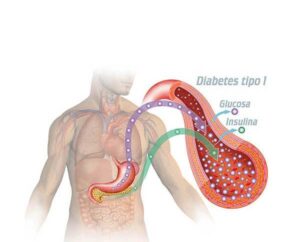
Diabetes mellitus type 1
24,50 € Add to basketDiabetes mellitus type 1: an autoimmune disease where the pancreas
does not produce insulin. The body cannot process glucose, raising sugar
in the bloodstream. It requires the use of daily pumps or injections,
mainly affecting children and young people in their metabolic development.


-
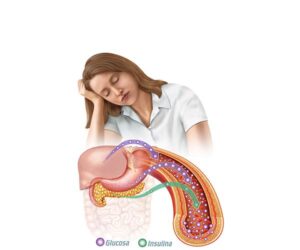
Diabetic person feeling low
24,50 € Add to basketA diabetic person feels low. This realistic illustration analyzes
the biological scenario of insulin resistance. The content explains
how cells respond inefficiently, forcing the pancreas to overwork,
leading to type 2 diabetes under factors like a sedentary lifestyle. -
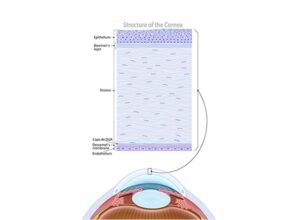
Diagram of the cornea
24,50 € Add to basketThe corneal layer is the transparent front structure of
the eye. It allows light to enter the eye, contributes to
light refraction, and protects internal eye structures,
helping form clear images on the retina. -
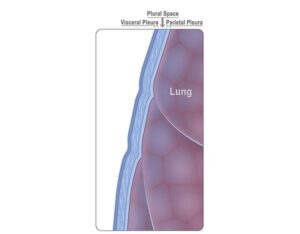
Diagram of the pleura
24,50 € Add to basketThe pulmonary pleura diagram shows the visceral
and parietal pleura surrounding the lungs. The pleural
cavity and fluid allow smooth lung movement during
breathing. -
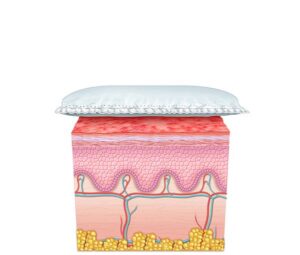
Diaper rash
24,50 € Add to basketDiaper rash is a common skin condition that causes redness and
inflammation in infants. To combat it, keeping the area dry is essential,
along with applying quality barrier creams and making frequent diaper
changes to avoid further irritation and potential secondary infections. -
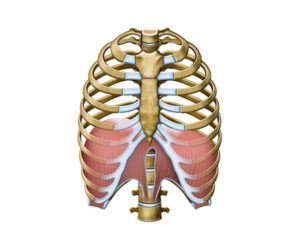
Diaphragm and ribs
24,50 € Add to basketThe diaphragm and ribs work together during breathing.
The diaphragm controls thoracic volume, while the ribs
and intercostal muscles allow the chest to expand and
contract during inhalation and exhalation. -
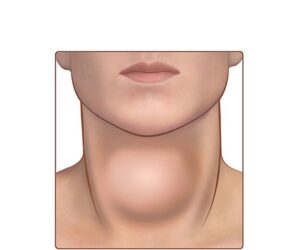
Diffuse thyroid goiter
24,50 € Add to basketDiffuse thyroid goiter defines the uniform enlargement of the
thyroid gland, frequently caused by a lack of iodine. This condition
alters hormonal production, causing fatigue, weight gain, and
visible swelling in the neck area. -
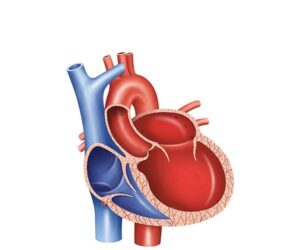
Dilated cardiomyopathy
24,50 € Add to basketThe dilated cardiomyopathy has an altered function in cardiac
pumping. Moreover, under normal conditions, the myocardium
contracts effectively. Additionally, it allows proper blood ejection. -
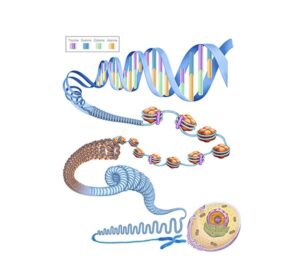
DNA structure
24,50 € Add to basketDNA structure is a double helix made of nucleotides,
where complementary base pairing enables the storage
and transmission of genetic information. -
DNA structure and formation
24,50 € Add to basketDNA is a double helix molecule made of nucleotides, whose
replication ensures the accurate transmission of genetic
information between cells. -
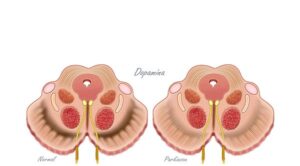
Dopamine and substantia nigra
24,50 € Add to basketThe dopamine and the substantia nigra have an essential function
in the nervous system. Moreover, dopamine regulates voluntary
movements. Additionally, it plays a role in mood and motivation. -
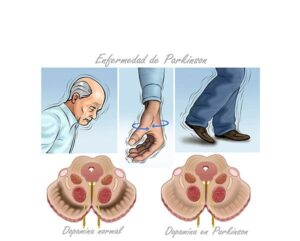
Dopamine in Parkinson’s disease
24,50 € Add to basketDopamine is a neurotransmitter and plays a crucial role in the
regulation of movement and mood. This deficiency of dopamine
leads to motor and non-motor symptoms, such as problems with
balance and cognitive alterations.