Showing 301–312 of 1048 results
-
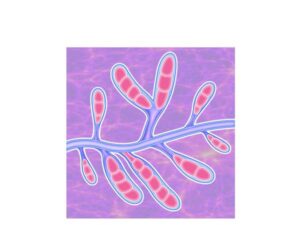
Epidermophyton floccosum fungi
24,50 € Add to basketEpidermophyton floccosum is an anthropophilic dermatophyte
that infects skin and nails, causing ringworm through keratin
degradation and contact transmission.


-
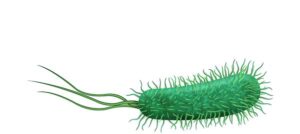
Escherichia coli bacteria
24,50 € Add to basketEscherichia coli is a common intestinal bacterium, usually
harmless, but some strains cause foodborne infections with
severe gastrointestinal symptoms. -
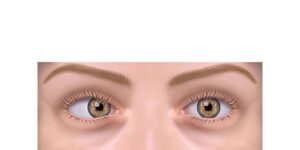
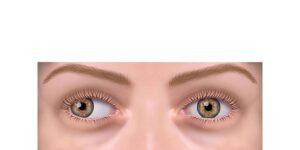
Esotropia strabismus
24,50 € Add to basketEsotropic strabismus is a form of strabismus where one eye
deviates inward compared to the other. This condition can result
in double vision and visual coordination problems. -
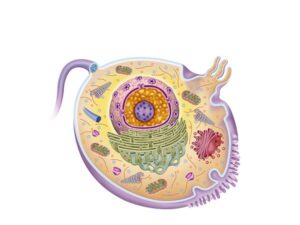
Eukaryotic cell anatomy
24,50 € Add to basketEukaryotic cells have a defined nucleus and organelles like
mitochondria and endoplasmic reticulum, enabling complex
functions and energy production. -
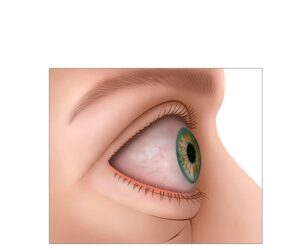
Exophthalmos thyroid eye
24,50 € Add to basketExophthalmos thyroid eye describes the ocular protrusion caused
by an autoimmune response linked to hyperthyroidism. This condition
inflames orbital fat and muscles, resulting in visual and aesthetic
changes known as bulging eyes. -
Exotropia strabismus
24,50 € Add to basketThe eye in strabismus hypertropia is a type of strabismus in which
one eye is deflected upwards compared to the other. This can cause
double vision and visual coordination problems. -
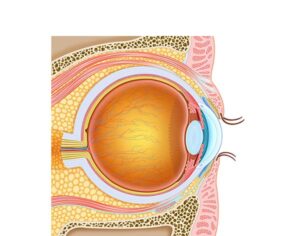
Eye and eyelids anatomy
24,50 € Add to basketEye and eyelid anatomy includes structures responsible
for vision and protection. The eye focuses light onto the
retina, while the eyelids protect the eyeball and distribute
tears to keep the ocular surface hydrated. -
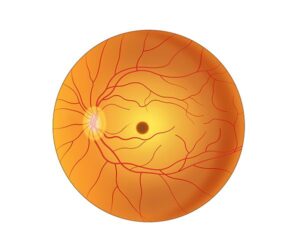
Eye with healthy macula
24,50 € Add to basketThe healthy macula is responsible for central and detailed
vision. Its photoreceptor cells allow clear perception of colors,
contrasts, and fine visual details, making it essential for tasks
such as reading and recognizing faces. -
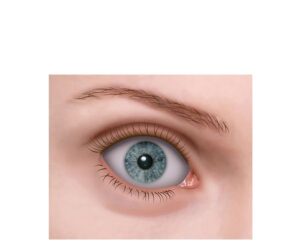
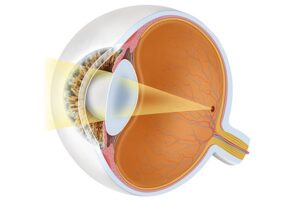
Eye with normal vision.
24,50 € Add to basketNormal vision occurs when light enters the eye through
the cornea, passes through the pupil, and is focused by the
lens onto the retina. Through accommodation, the eye can
adjust focus for near and distant objects, allowing clear
and sharp visual perception. -
Eyes in hyperthyroidism
24,50 € Add to basketEyes in hyperthyroidism describe the ocular condition known
as Graves’ disease, characterized by ocular protrusion and dryness.
This disorder, caused by hormone excess, leads to irritation, double
vision, and aesthetic changes. -
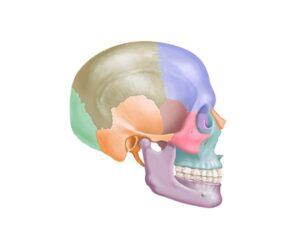
Facial and cranial bones
24,50 € Add to basketThe facial and cranial bones form the bony structure of
the head, protecting the brain and providing support for the
facial muscles. The skull is composed of bones such as the
frontal, parietal, temporal, and occipital bones. -
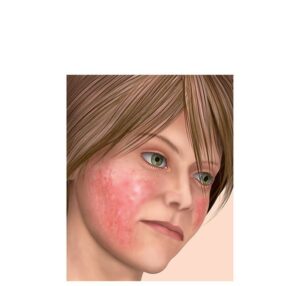
Facial dermatomyositis
24,50 € Add to basketFacial dermatomyositis. This graphic representation details the
skin alterations and inflammatory symptoms characteristic of this
autoimmune condition. The content describes the erythema and
muscular involvement in the facial region to facilitate precise clinical
identification.