Showing 277–288 of 1048 results
-
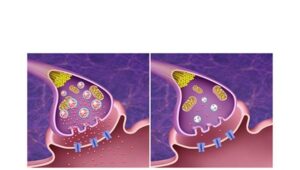
Dopaminergic synapse
24,50 € Add to basketThe dopaminergic synapse has an essential function in neuronal
transmission. Moreover, dopamine acts as a key neurotransmitter.
Additionally, it facilitates communication between neurons.


-
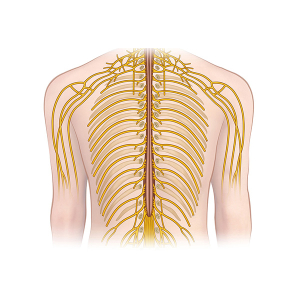
Dorsal nerve branching
24,50 € Add to basketThe dorsal nerve branching refers to the extension of
nerves from the posterior part of the spinal cord. This
structure enables the transmission of sensory information
to the central nervous system. -
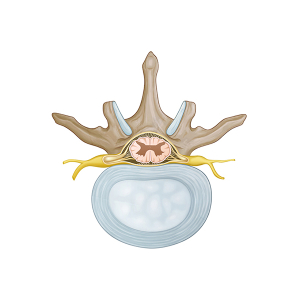
Dorsal vertebra anatomy
24,50 € Add to basketThe anatomy of the dorsal vertebra shows an
intermediate structure in the spine, located
between the cervical and lumbar vertebrae, and
its organization allows function within the
musculoskeletal system. -
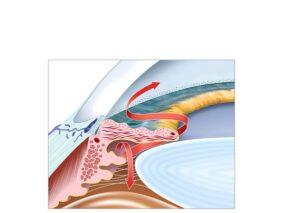
Drainage blockage in glaucoma
24,50 € Add to basketDrainage blockage in glaucoma shows how obstruction of the
aqueous humor flow increases intraocular pressure. This fluid
drains through the trabecular meshwork and Schlemm’s canal,
but when drainage is blocked, eye pressure rises progressively
damaging the optic nerve. -
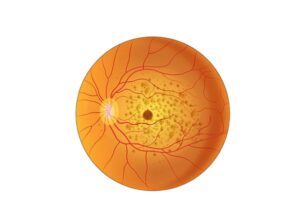
Dry Macular Degeneration
24,50 € Add to basketDry Macular Degeneration (AMD), dry form, illustrates how, in
this disease, the macula—the central part of the retina—gradually
deteriorates. As the macula loses cells, an accumulation of cellular
debris known as drusen forms. -
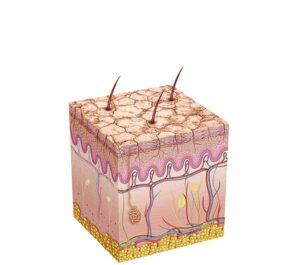
Dry skin
24,50 € Add to basketDry skin: this cutaneous anomaly presents cracks, scaling, and
redness due to the loss of moisture and natural oils. Factors such as
climate, chemicals, and medical conditions affect the protective
barrier. Comprehensive treatment restores tissue health through
proper hydration and care. -
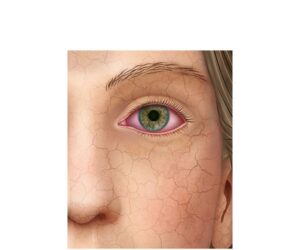
Dryness in Sjögren’s syndrome
24,50 € Add to basketDryness in Sjögren’s syndrome is an autoimmune condition
where the immune system attacks the lacrimal and salivary glands.
This pathology reduces moisture in the eyes and face, causing
persistent irritation, a foreign body sensation, and generalized skin dryness. -
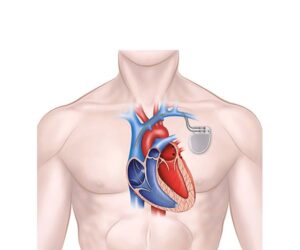
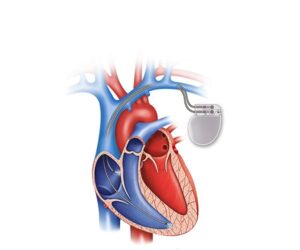
Dual chamber pacemaker
24,50 € Add to basketBicameral pacemaker. In this representation, they are distinguished
the heart, the atria, the ventricles, the electrodes, and the pacemaker
generator. These structures allow the conduction of electrical impulses
and cardiac synchronization. -
Dual chamber pacemaker
24,50 € Add to basketA dual-chamber pacemaker uses two leads to coordinate the
atrium and ventricle. By stimulating both chambers in sequence,
it mimics the heart’s natural rhythm and optimizes blood flow. It
is more advanced than single-chamber models. -
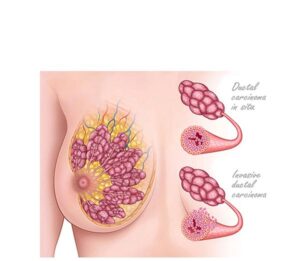
Ductal carcinomas
24,50 € Add to basketDuctal carcinomas. Comparison between carcinoma in situ and
invasive carcinoma, where the cells go from being confined in
ducts to invade tissues, increasing the risk of dissemination and
affecting the prognosis. -
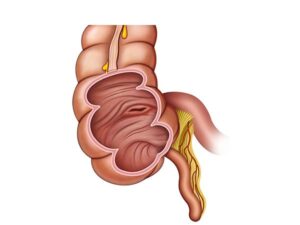
Duodenum and appendages
24,50 € Add to basketThe duodenum is the first part of the small intestine.
It receives chyme, bile, and pancreatic enzymes, enabling
chemical digestion and preparing nutrients for absorption
in the intestine. -
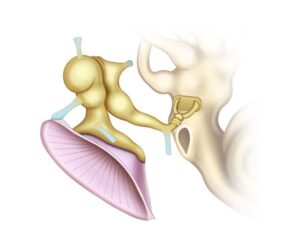
Eardrum and Cochlea
24,50 € Add to basketThe eardrum and cochlea work together in the hearing
process. The eardrum captures sound waves and sends
vibrations to the inner ear, where the cochlea converts
them into electrical signals interpreted by the brain.