Showing 313–324 of 1048 results
-
Facial fat
24,50 € Add to basketFacial fat is distributed across the female face, providing
volume and protection, and undergoing changes associated
with aging.


-
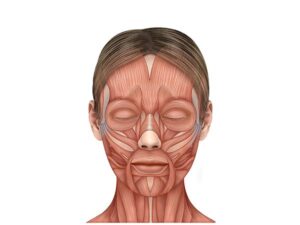
Facial muscles
24,50 € Add to basketFacial muscles, controlled by the facial nerve, enable
expressions, chewing, and speech. Key muscles include
the frontal, zygomaticus, orbicularis, and masseter. -
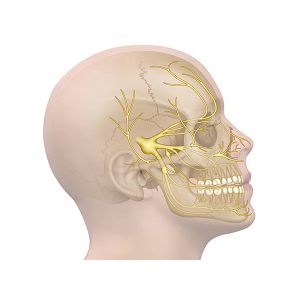
Facial nerve structure
24,50 € Add to basketThe structure of the facial nerves is essential
for controlling the muscles of the face and
transmitting sensory signals. First, the facial
nerve originates in the brainstem -
Fatigue due to hypothyroidism
24,50 € Add to basketFatigue due to hypothyroidism defines the persistent tiredness
caused by low thyroid hormone production and slow metabolism.
This autoimmune condition reduces cellular energy, affects sleep, and
causes a state of constant physical decay. -
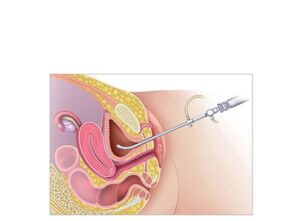
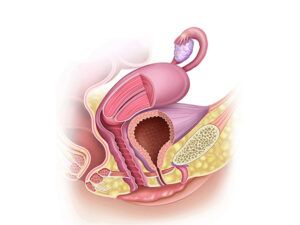
Female cystoscopy
24,50 € Add to basketFemale cystoscopy is a procedure used to examine the bladder and
urethra with a cystoscope. It helps diagnose infections, stones, and
tumors by providing direct visualization of the urinary tract. -
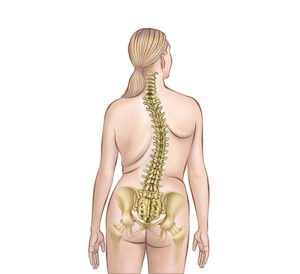
Female figure with scoliosis
24,50 € Add to basketThe female figure with scoliosis has an altered function in
body alignment. Moreover, under normal conditions, the spine
maintains balanced physiological curves. Additionally, it provides
postural stability. -
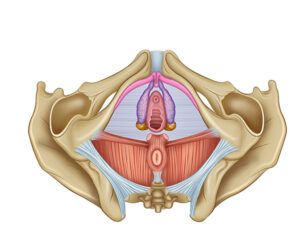
Female pelvic floor
24,50 € Add to basketFemale pelvic floor: a group of muscles, ligaments, and
connective tissue that supports the bladder, uterus, and
rectum, controls urination, and provides support during
pregnancy and childbirth. -
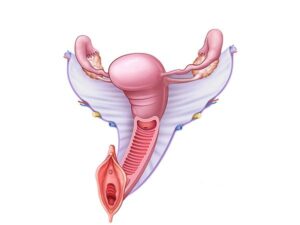
Female reproductive organs
24,50 € Add to basketFemale reproductive organs: include the vulva, vagina, uterus,
fallopian tubes and ovaries are responsible for reproduction,
egg production, transport, and pregnancy development. -
Female reproductive organs
24,50 € Add to basketFemale reproductive organs: include the vulva, vagina, uterus,
fallopian tubes and ovaries are responsible for reproduction, egg
production, transport, and pregnancy development. -
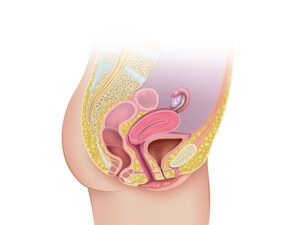
Female reproductive system
24,50 € Add to basketFemale reproductive system: organs such as the ovaries,
fallopian tubes, uterus, and vagina enable reproduction,
regulate hormones, and allow fertilization and pregnancy. -
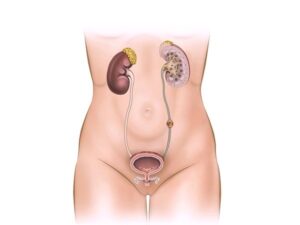
Female urinary system
24,50 € Add to basketThe female urinary system includes the kidneys, ureters,
bladder, and urethra. It filters blood, produces urine, and
allows its transport, storage, and elimination, maintaining
body balance. -
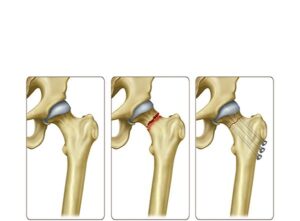
Femoral neck fracture treatment
24,50 € Add to basketFemoral neck fracture treatment involves internal fixation using
metal screws or nails to stabilize the bone and promote healing.
Moreover, it restores hip function. Treatment choice depends on
fracture severity and patient condition.