Showing 877–888 of 1048 results
-
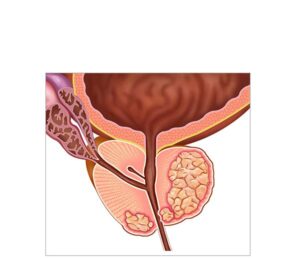
The malignant prostate tumor
24,50 € Add to basketMalignant prostate tumor is a common cancer in older men
affecting the prostate gland. Moreover, it can cause urinary symptoms
and spread to other organs. Diagnosis includes PSA testing and biopsy,
while treatment ranges from active surveillance to surgery and advanced
therapies.


-
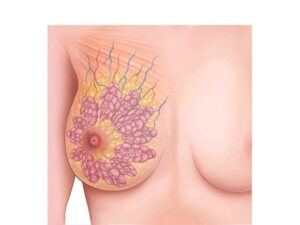
The mammary physiology
24,50 € Add to basketMammary physiology describes how the mammary
gland produces and releases milk through hormonal
regulation, supporting breastfeeding and infant
nutrition. -
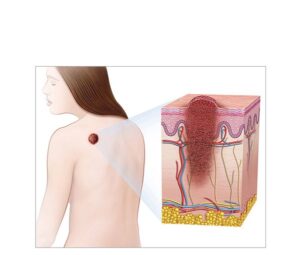
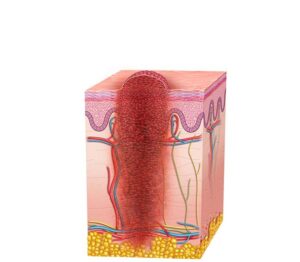
The melanoma on the back
24,50 € Add to basketMelanoma on the back is a skin cancer arising from melanocytes,
characterized by irregularly pigmented lesions. Moreover, it may show
changes in size, shape, and color, reflecting malignant skin alterations. -
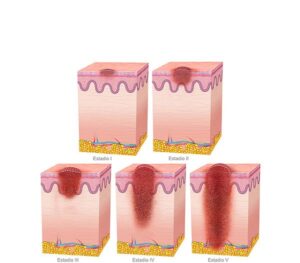
The melanoma stages
24,50 € Add to basketMelanoma stages describe the progression of skin cancer from
localized lesions to advanced phases with lymph node involvement and
metastasis. Moreover, they help assess tumor extent and structural
changes in skin and organs. -
The metastatic melanoma
24,50 € Add to basketMetastatic melanoma is an advanced stage of skin cancer
where malignant cells spread to distant organs. Moreover, it
involves systemic progression, organ involvement, and significant
structural and functional alterations. -
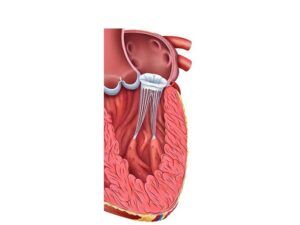
The mitral valve
24,50 € Add to basketThe mitral valve regulates blood flow between the left
atrium and the left ventricle. Its opening and closing during
the cardiac cycle ensure one-way blood circulation through
the heart. -
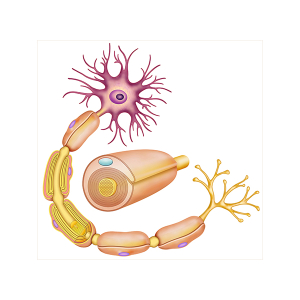
The myelin sheath
24,50 € Add to basketThe myelin sheath is a protective layer that surrounds
the axons of neurons. First, its primary function is to
facilitate the rapid transmission of nerve impulses. -
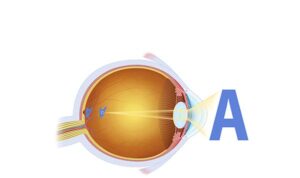
The myopia vision
24,50 € Add to basketMyopia is an eye condition in which nearby objects are seen clearly,
but distant ones appear blurred. This happens because the image
forms in front of the retina, usually due to a longer eyeball or a more
curved cornea. -
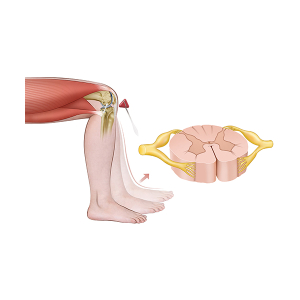
The myotatic reflexes
24,50 € Add to basketThe myotatic reflexes illustrate the neuromuscular
mechanism that enables involuntary muscle contraction
in response to stretching. First, this reflex is essential
for maintaining muscle tone and posture. -
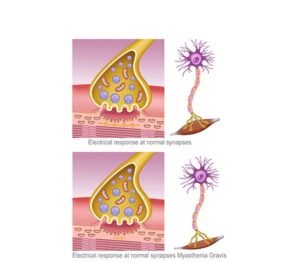
The neuromuscular junction of myasthenia
24,50 € Add to basketNeuromuscular junction of myasthenia defines the
communicative failure between nerves and muscles due to
autoimmune causes. Antibodies block acetylcholine receptors,
leading to severe fatigue and a very weakened muscular
response. -
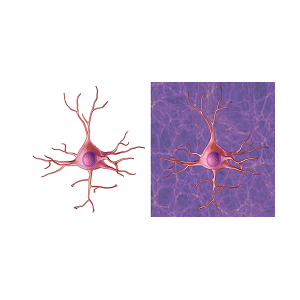
The neuron
24,50 € Add to basketThe neuron is the fundamental cell of the nervous
system. It consists of a soma, dendrites, and an axon.
In addition, each component performs specific
functions for signal transmission. -
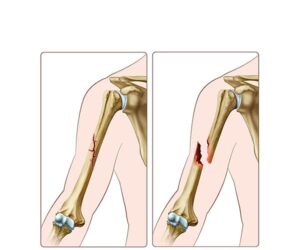
The oblique and open fractures
24,50 € Add to basketOblique and open fractures are bone injuries with different
severities. Oblique fractures show a diagonal break, while open
fractures expose bone to the environment. Moreover, both require
prompt treatment to prevent complications.