Showing 853–864 of 1048 results
-
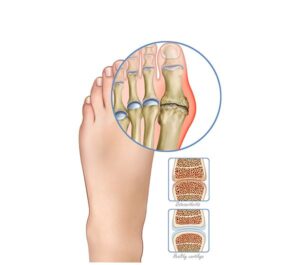
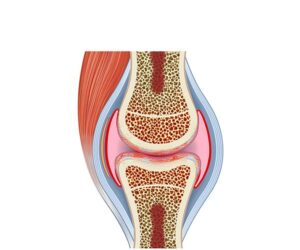
The inflammation due to osteoarthritis
24,50 € Add to basketInflammation due to osteoarthritis is a degenerative joint
condition causing cartilage wear, pain, swelling, and stiffness.
Moreover, it limits mobility. Treatment includes medications,
physical therapy, and, in advanced cases, joint replacement surgery.


-
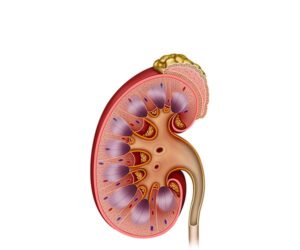
The inflammatory nephritis
24,50 € Add to basketInflammatory nephritis is kidney inflammation caused by infections
or autoimmune disorders. Moreover, it may lead to pain, fatigue, and
urinary changes. Treatment includes medication, dietary adjustments,
and control of underlying conditions to preserve kidney function. -
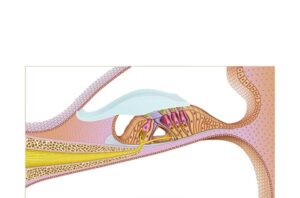
The inner ear
24,50 € Add to basketThe human inner ear contains the cochlea and the
vestibular labyrinth. The cochlea converts sound
vibrations into electrical signals, while the vestibular
system controls balance and spatial orientation. -
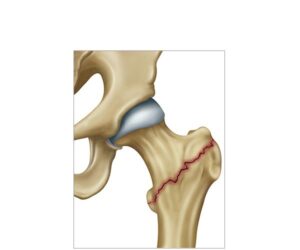
The intertrochanteric femur fracture
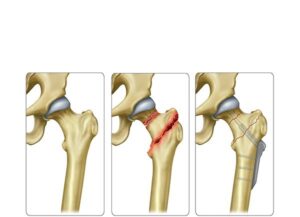
24,50 € Add to basketAn intertrochanteric femur fracture is a break between the
femoral trochanters, affecting hip stability and mobility. Moreover,
it is common in older adults and often associated with trauma and
reduced bone density. -
The intertrochanteric femur fracture treatment
24,50 € Add to basketIntertrochanteric femur fracture treatment involves open
reduction and internal fixation using plates, screws, or nails.
Moreover, it stabilizes the fracture, promotes healing, and
restores hip function for improved recovery. -
The joint fusion ankylosis
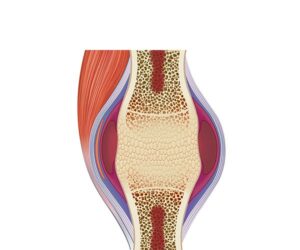
24,50 € Add to basketJoint fusion ankylosis is the complete fusion of bones in a joint,
leading to total loss of movement. Moreover, it may result from
arthritis or trauma. Treatment includes physical therapy and, in
severe cases, surgical intervention to improve function. -
The kidney stone destruction
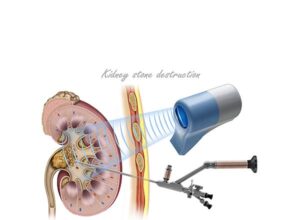
24,50 € Add to basketKidney stone destruction includes techniques such as lithotripsy,
ureteroscopy, and percutaneous nephrolithotomy to remove or fragment
stones. Moreover, treatment depends on size and location, relieving
symptoms and preventing complications. -
The kidney stone removal
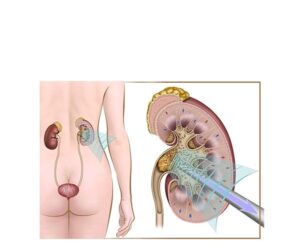
24,50 € Add to basketKidney stone removal is a procedure to eliminate stones from
the kidney or ureter. Moreover, it may involve shock wave lithotripsy
or endoscopic techniques. It fragments stones and allows natural
elimination, reducing pain and urinary complications. -
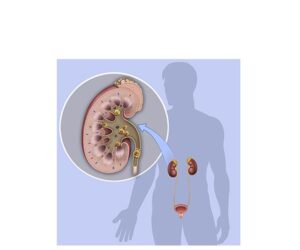
The kidney stones
24,50 € Add to basketKidney stones are solid deposits formed by minerals and salts in the
kidneys. Moreover, they can cause severe pain when moving through the
urinary tract. Risk factors include dehydration and diet, and prevention
involves proper hydration and healthy habits. -
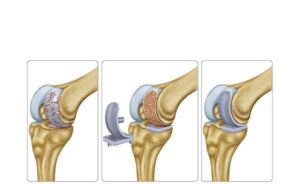
The knee joint replacement
24,50 € Add to basketKnee joint replacement is a surgical procedure that replaces
damaged joint surfaces with a prosthesis. Moreover, it relieves pain
and improves mobility in advanced osteoarthritis. Indication depends
on age, health status, and severity of joint damage. -
The knee joint wear
24,50 € Add to basketKnee joint wear is a degenerative condition causing cartilage loss,
pain, swelling, and reduced mobility. Moreover, it may affect daily
activities. Treatment includes physical therapy, medications, and, in
advanced cases, surgical intervention. -
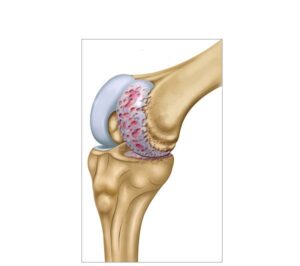
The knee osteoarthritis
24,50 € Add to basketKnee osteoarthritis is a degenerative joint disease causing cartilage
wear, pain, stiffness, and reduced mobility. Moreover, it may lead to
inflammation and crepitus. Treatment includes physical therapy,
medications, and, in severe cases, joint replacement surgery.