Showing 817–828 of 1048 results
-
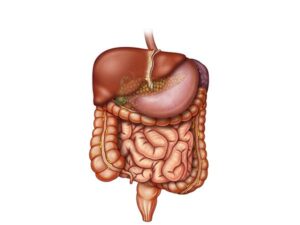
The digestive system
24,50 € Add to basketThe digestive system is a group of organs that break
down food into absorbable nutrients. It includes the
mouth, stomach, intestines, liver, and pancreas,
ensuring digestion and efficient nutrient absorption.


-
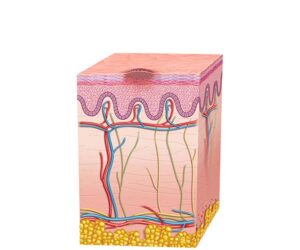
The early melanoma stage
24,50 € Add to basketEarly melanoma stage is the initial phase of skin cancer,
characterized by changes in moles such as asymmetry, irregular
borders, and color variation. Moreover, it reflects early melanocyte
alterations without metastasis. -
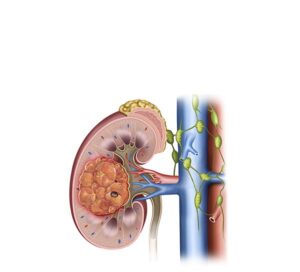
The early stage kidney cancer
24,50 € Add to basketEarly stage kidney cancer is a localized tumor confined to the
kidney without metastasis. Moreover, it may be asymptomatic or
cause mild hematuria. Diagnosis is imaging-based, and treatment
usually involves surgery, improving outcomes with early detection. -
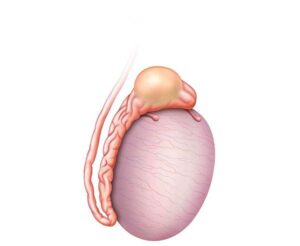
The epididymal testicular cyst
24,50 € Add to basketThe epididymal testicular cyst is a benign fluid-filled cavity located
in the epididymis. It may affect sperm storage and transport. It is usually
asymptomatic, diagnosed by ultrasound, and treated only if it causes
discomfort. -
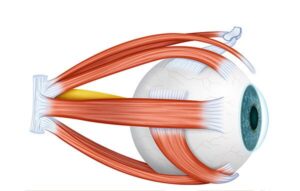
The eye muscles
24,50 € Add to basketOcular muscles control eye position and movement. Six
muscles work together to produce vertical, horizontal, and
rotational movements, allowing coordinated gaze and stable
visual tracking. -
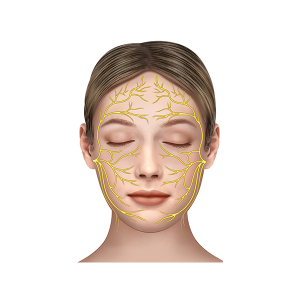
The facial nerves
24,50 € Add to basketThe facial nerves are shown on a female face, where
their distribution and function are clearly highlighted.
First, they correspond to cranial nerve VII. -
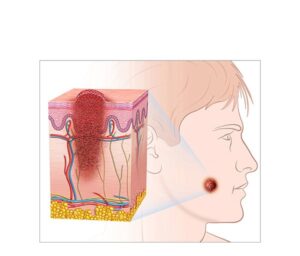
The facial skin cancer
24,50 € Add to basketFacial skin cancer is a skin neoplasm affecting the face, characterized
by lesions with changes in color, shape, and size. Moreover, it is associated
with ultraviolet damage and genetic factors, altering skin structure. -
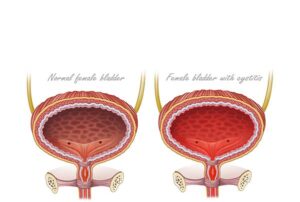
The female bladder with cystitis
24,50 € Add to basketFemale bladder with cystitis is bladder inflammation usually
caused by bacterial infection. Moreover, it leads to painful urination,
urgency, and frequency. Diagnosis is based on urine tests, and
treatment includes antibiotics and preventive measures. -
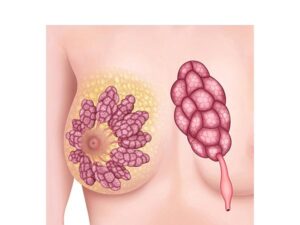
The female mammary gland
24,50 € Add to basketThe female mammary gland has a complex structure
formed by mammary lobes, lactiferous ducts, adipose
tissue, and a vascular network. These components support
milk production and transport during breastfeeding. -
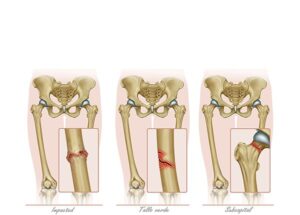
The femoral fractures
24,50 € Add to basketFemoral fractures include impacted, subcapital, and greenstick
types. Moreover, they affect bone structure and may cause pain,
deformity, and functional limitation depending on fracture location
and mechanism. -
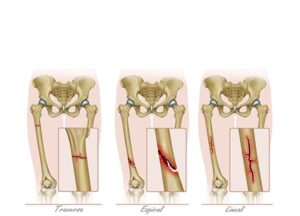
The femur bone fractures
24,50 € Add to basketFemur bone fractures include transverse, spiral, and linear
patterns depending on fracture direction. Moreover, they cause
pain, swelling, and deformity, reflecting different injury mechanisms
and levels of structural damage. -
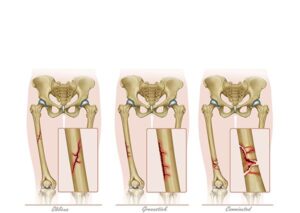
The femur bone fractures
24,50 € Add to basketFemur bone fractures include oblique, greenstick, and
comminuted patterns. Moreover, they reflect different injury
mechanisms, from partial bending to multiple fragments,
causing pain, swelling, and functional limitation.