Showing 805–816 of 1048 results
-
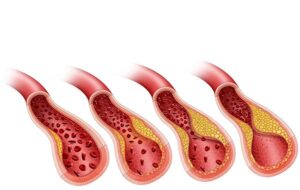
The cholesterol stages
24,50 € Add to basketCholesterol stages illustrate progressive lipid buildup in arteries,
leading to plaque formation, reduced blood flow, and increased
cardiovascular risk, often without symptoms in early stages.


-
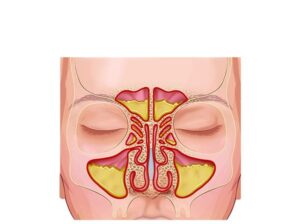
The chronic sinusitis
24,50 € Add to basketThe chronic sinusitis has an altered function in nasal
ventilation. Moreover, under normal conditions, the sinuses
are air-filled. Additionally, mucus drains properly into the
nasal cavity. Furthermore, they maintain respiratory balance. -
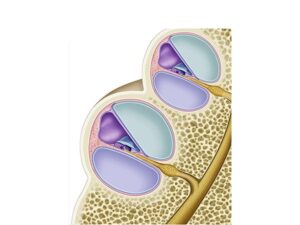
The Cochlear Duct
24,50 € Add to basketThe cochlear duct is located inside the cochlea in the
inner ear. It contains the organ of Corti, where hair cells
convert sound vibrations into electrical signals that allow
the brain to detect different frequencies and sounds. -
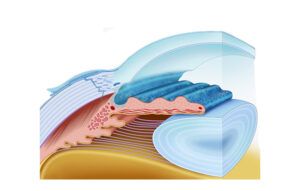
The cornea and iris
24,50 € Add to basketThe cornea and iris are anterior eye structures that control
light entry and help focus images on the retina. The cornea
refracts light while the iris regulates pupil size to adapt vision
to different lighting conditions. -
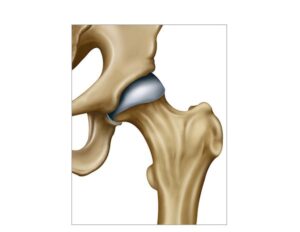
The coxofemoral joint
24,50 € Add to basketThe hip joint. This anatomical union between the acetabulum
and the femur facilitates stability and body weight support. Its
function allows for flexion and rotation movements indispensable
for walking, running, and maintaining proper posture during
daily activities. -
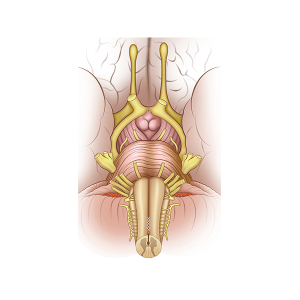
The cranial nerves
24,50 € Add to basketThe cranial nerves are a key part of the nervous system.
First, they connect the brain to the spinal cord and
control vital functions. Additionally, they contain
nuclei that regulate sensory and motor functions
of the head and neck. -
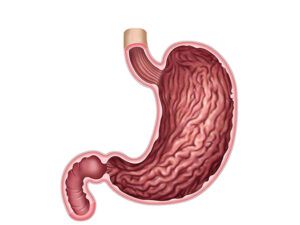
The cross section of the stomach
24,50 € Add to basketThe cross-section of the stomach shows the layers:
mucosa, submucosa, muscularis, and serosa. The
gastric mucosa produces enzymes and gastric acid that
begin food digestion. -
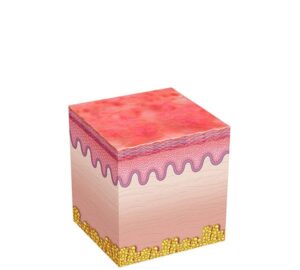
The cutaneous candidiasis
24,50 € Add to basketCutaneous candidiasis is a fungal skin infection caused by
Candida is characterized by redness, itching, and scaling. Moreover,
it mainly affects moist skin folds and reflects disruption of the
skin’s microbial balance. -
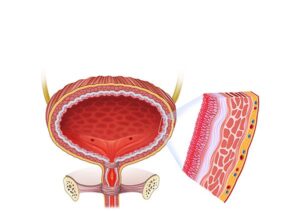
The cystitis urinary infection
24,50 € Add to basketCystitis urinary infection, is a bacterial inflammation of the
bladder causing pain, urgency, and frequent urination. Moreover,
diagnosis is based on urine tests, and treatment includes antibiotics,
hydration, and symptom relief measures. -
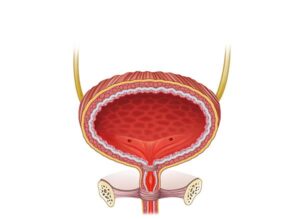
The cystitis urinary infection
24,50 € Add to basketCystitis is a bacterial urinary infection that causes pain, urgency,
and frequent urination. Moreover, it is more common in women.
Diagnosis is based on urine tests, and treatment includes antibiotics
hydration, and symptom relief. -
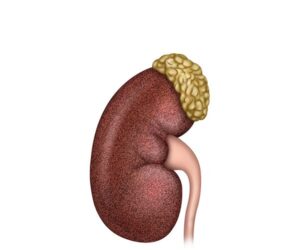
The diabetic nephropathy
24,50 € Add to basketDiabetic nephropathy is a kidney complication caused by vascular
damage from high blood sugar. Moreover, it may lead to proteinuria,
edema, and kidney failure. Management includes glycemic control,
blood pressure regulation, and lifestyle changes. -
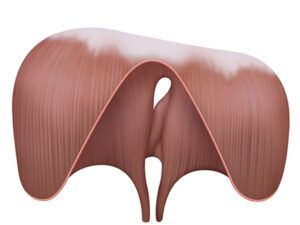
The diaphragm muscle
24,50 € Add to basketThe diaphragm muscle is a dome-shaped structure located under
the lungs. It separates the thoracic cavity from the abdominal cavity
and is essential for breathing. Its contraction allows air intake, and
its relaxation facilitates air expulsion during the biological
respiratory cycle.