Showing 865–876 of 1048 results
-
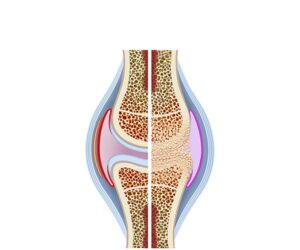
The knee with ankylosis
24,50 € Add to basketKnee with ankylosis is a condition where the joint bones fuse, causing
severe stiffness and loss of mobility. Moreover, it may result from
inflammation, trauma, or infection. Treatment includes physical therapy,
medication, and, in advanced cases, surgery.


-
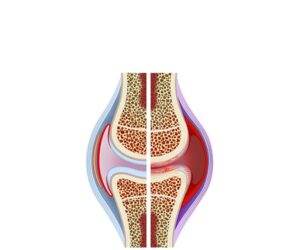
The knee with osteoarthritis
24,50 € Add to basketKnee with osteoarthritis is a degenerative joint condition causing
cartilage loss, pain, swelling, and stiffness. Moreover, it limits mobility.
Treatment includes physical therapy, medications, and, in advanced
cases, joint replacement surgery. -
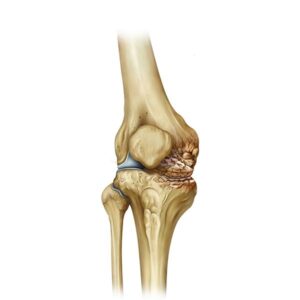
The knee with osteoarthritis
24,50 € Add to basketKnee with osteoarthritis is a degenerative joint condition
causing cartilage wear, pain, stiffness, and swelling. Moreover,
it limits mobility and affects daily life. Treatment includes
physical therapy, medications, and, in advanced cases, surgery. -
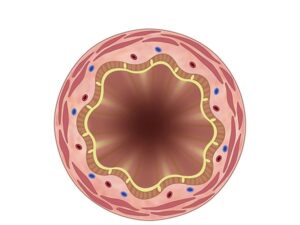
The layers of the bronchial
24,50 € Add to basketThe layers of the bronchial wall include mucosa,
submucosa, smooth muscle, hyaline cartilage,
and adventitia. Together, they protect the airways and
regulate airflow to the lungs. -
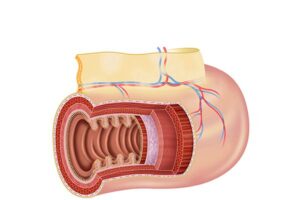
The layers of the gastrointestinal tract
24,50 € Add to basketThe layers of the gastrointestinal tract include the
mucosa, submucosa, muscularis, and serosa. The mucosa
produces enzymes and absorbs nutrients, while the
submucosa contains blood vessels and nerves. -
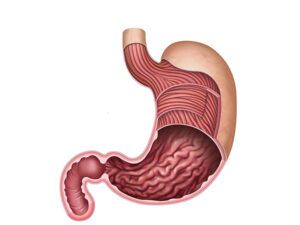
The layers of the stomach
24,50 € Add to basketThe layers of the stomach include the mucosa, submucosa,
muscularis, and serosa. The gastric mucosa produces acid
and digestive enzymes, while the muscular layers mix food
during digestion. -
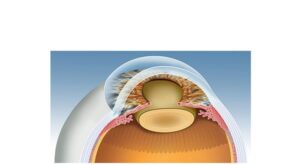
The lens opacity
24,50 € Add to basketLens opacity in cataracts. Loss of transparency in the eye
lens blocks light reaching the retina, causing blurred vision,
glare, and difficulty distinguishing colors. -
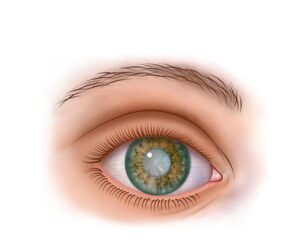
The lens with cataracts
24,50 € Add to basketLens opacity. This is the characteristic of an eye with cataracts,
characterized by an opaque lens that hinders the passage of light
to the retina. The lens, which is normally transparent, becomes
cloudy due to the accumulation of proteins, causing blurred vision. -
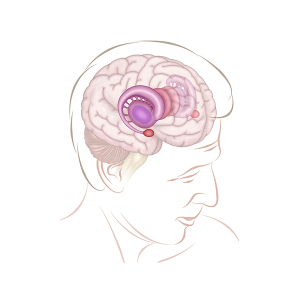
The limbic system
24,50 € Add to basketRepresentation of the human head and the limbic
system shows the location of these structures
within the brain and key components such as the
hippocampus, amygdala, and hypothalamus. -
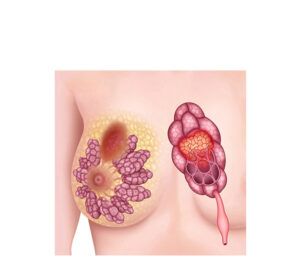
The lobular cancer
24,50 € Add to basketLobular cancer. This tumor originates in the breast lobules and
may not form lumps, making detection difficult. Includes forms
in situ and invasive, with a risk of dissemination and the need for
early diagnosis. -
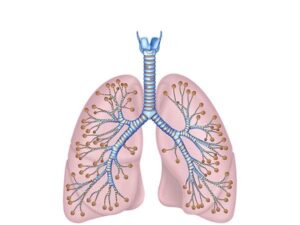
The lungs and the bronchial
24,50 € Add to basketThe lungs and the bronchial tree form a network
of airways where the trachea divides into bronchi,
secondary bronchi and bronchioles, allowing air
to reach the alveoli for gas exchange. -
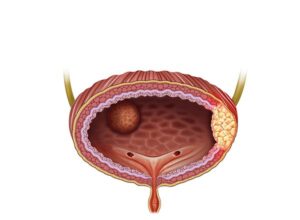
The malignant bladder tumors
24,50 € Add to basketMalignant bladder tumors are abnormal cell growths with invasive
and metastatic potential. Moreover, they may cause hematuria, urinary
changes, and pelvic pain. Diagnosis includes cystoscopy and biopsy, and
treatment depends on tumor stage and progression.