Adipose
Showing all 12 results
-
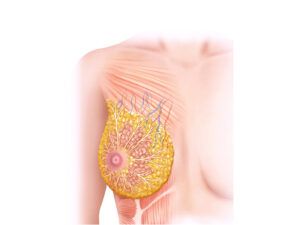
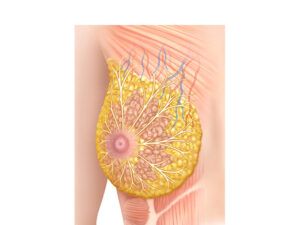
Anatomy of the breasts
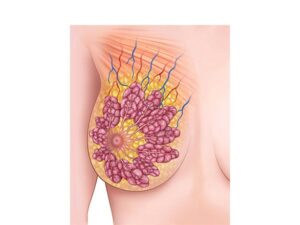
24,50 € Add to basketThe anatomy of the breasts explains the internal organization
of breast tissue. It includes mammary lobes, lactiferous ducts,
adipose tissue, and a vascular network that supports the function
of the mammary glands.


-
Anatomy of the mammary glands
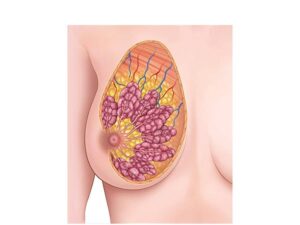
24,50 € Add to basketThe anatomy of the mammary glands explains how
lobes, ducts, and tissues are organized within the breast.
These glands, located in the female chest, play an essential
role in milk production and breastfeeding. -
Anatomy of the mammary lobes
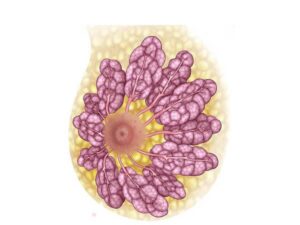
24,50 € Add to basketThe anatomy of mammary lobes explains the internal
organization of the mammary glands. These glandular
structures contain lobules and lactiferous ducts responsible
for milk production and transport during breastfeeding. -
Anatomy the suspensory ligaments
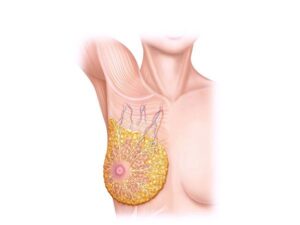
24,50 € Add to basketThe suspensory ligaments of the breast, also known as
Cooper’s ligaments are fibrous connective structures that
support the breasts and help maintain their shape and
position on the chest wall. -
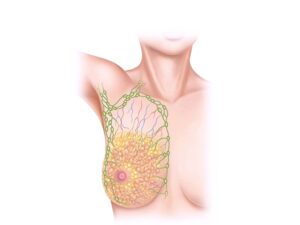
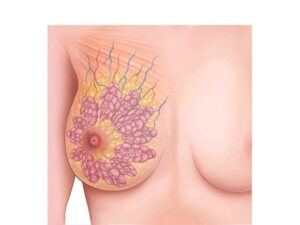
Lymphatic system of the breasts
24,50 € Add to basketThe lymphatic system of the breasts is a network of
vessels that drains lymph from breast tissue to nearby
lymph nodes. This system plays an important immune
role and is crucial for understanding the spread of
breast cancer. -
Mammary ligaments.
24,50 € Add to basketMammary ligaments, also known as Cooper’s ligaments,
are fibrous connective structures that support breast tissue.
In addition, they help maintain breast shape and provide
structural stability within the breast. -
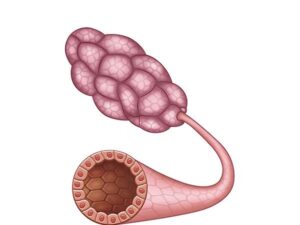
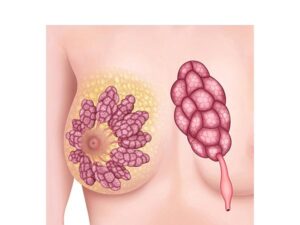
Mammary lobe diagram
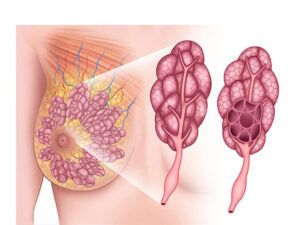
24,50 € Add to basketThe mammary lobe diagram shows one of the structural
units of the breast. Each breast contains multiple lobes
separated by connective tissue and formed by lobules and
ducts involved in milk production. -
Physiology of female breasts
24,50 € Add to basketThe physiology of female breasts explains how breast tissues
function. It includes mammary glands, lactiferous ducts, and
adipose tissue, structures responsible for milk production and
transport during breastfeeding. -
Structure of the mammary lobes
24,50 € Add to basketThe structure of the mammary lobes explains how
glandular tissues are organized inside the breast.
Each breast contains lobes, lobules, and ducts
responsible for milk production and transport
during breastfeeding. -
Suspensory ligaments of the breast.
24,50 € Add to basketSuspensory ligaments of the breast, also known as
Cooper’s ligaments are fibrous connective structures
that support breast tissue and help maintain the
natural shape and stability of the breasts.> -
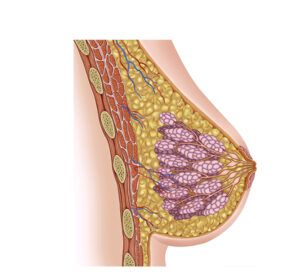
The female mammary gland
24,50 € Add to basketThe female mammary gland has a complex structure
formed by mammary lobes, lactiferous ducts, adipose
tissue, and a vascular network. These components support
milk production and transport during breastfeeding. -
The mammary physiology
24,50 € Add to basketMammary physiology describes how the mammary
gland produces and releases milk through hormonal
regulation, supporting breastfeeding and infant
nutrition.