Skeleton
Showing 73–84 of 134 results
-
template (Copy)
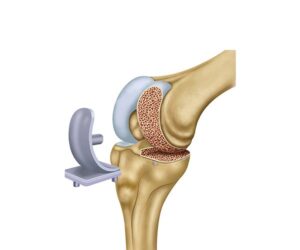
24,50 € Add to basketPartial knee replacement is a surgical procedure that replaces
only the damaged part of the knee joint. Moreover, it relieves pain
and improves mobility in localized osteoarthritis. Selection depends
on age, health status, and extent of joint damage.


-
template (Copy)
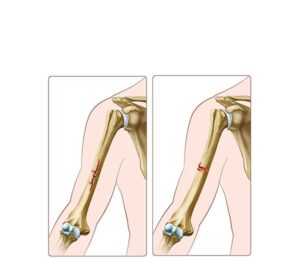
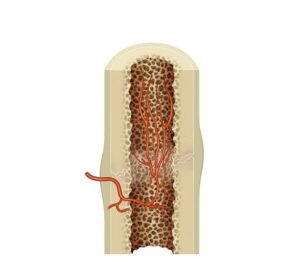
24,50 € Add to basketIncomplete and linear fracture includes partial or straight
bone breaks, commonly seen in trauma and pediatric patients.
Moreover, greenstick fractures occur due to bone flexibility and
may present with pain, swelling, and limited movement. -
The ankle pain
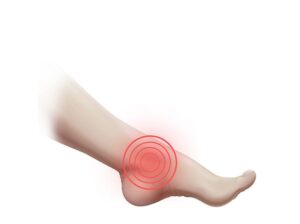
24,50 € Add to basketAnkle pain is a common condition caused by sprains, fractures,
or joint inflammation. Moreover, it can lead to swelling and difficulty
walking. Treatment includes rest, ice, physical therapy, and, in severe
cases, surgical intervention. -
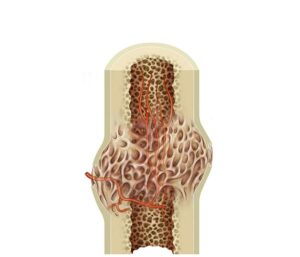
The bone fracture and healing
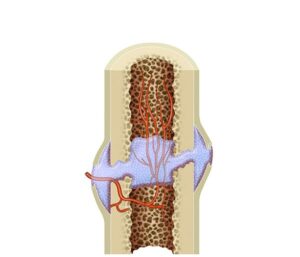
24,50 € Add to basketBone fracture and healing describe the repair process after
a bone break, including hematoma formation, callus development,
and remodeling. Moreover, it involves biological mechanisms that
restore bone structure and function. -
The bone fracture ossification
24,50 € Add to basketBone fracture ossification is the process of new bone formation after
a fracture. Moreover, it involves osteoblast activity and callus formation,
leading to bone consolidation and progressive strengthening. -
The bone fracture remodeling
24,50 € Add to basketBone fracture remodeling is the final healing stage, where bone
is reorganized and strengthened. Moreover, osteoclasts and
osteoblasts reshape the callus, restoring structure and improving
mechanical resistance. -
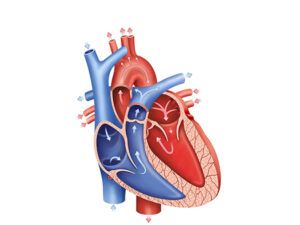
The cardiac blood circulation
24,50 € Add to basketCardiac blood circulation describes how blood flows from
the heart to the lungs and back to the body. This process
delivers oxygen and nutrients to tissues while supporting
normal cellular function. -
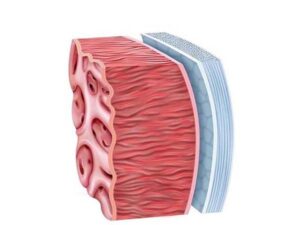
The cardiac layers
24,50 € Add to basketCardiac layers include the pericardium, myocardium,
and endocardium. These structures protect the heart,
generate contractions, and line the heart chambers to
support efficient blood circulation. -
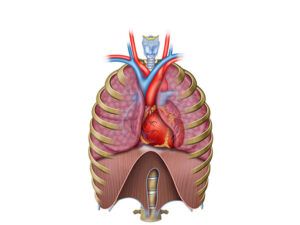
The cardiorespiratory system
24,50 € Add to basketThe cardiorespiratory system combines the heart and
lung function to circulate oxygen, remove carbon dioxide,
and support cellular metabolism and overall body balance. -
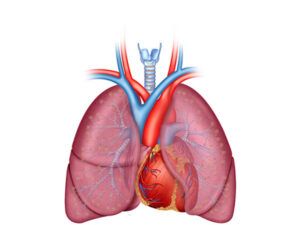
The cardiorespiratory system
24,50 € Add to basketThe cardiorespiratory system combines the heart and lung
function to circulate oxygen, remove carbon dioxide,
and maintain physiological balance essential for cellular
activity. -
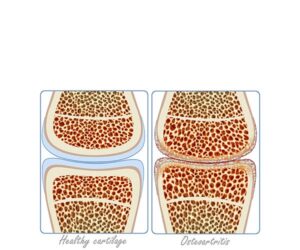
The cartilage in osteoarthritis
24,50 € Add to basketCartilage in osteoarthritis progressively deteriorates, causing
joint pain, stiffness, and inflammation. Moreover, it leads to bone
friction and reduced mobility. Treatment includes physical therapy,
medications, and, in advanced cases, surgery. -
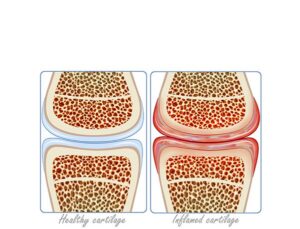
The cartilage inflammation
24,50 € Add to basketCartilage inflammation is a condition affecting joints, causing pain,
swelling, and stiffness. Moreover, it may result from injury, autoimmune
disease, or degeneration. Treatment includes anti-inflammatory drugs,
physical therapy, and, in severe cases, surgery.