Showing 397–408 of 1048 results
-
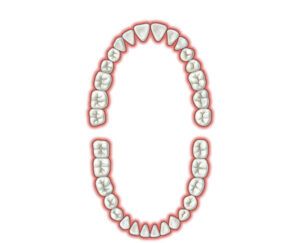
Human teeth
24,50 € Add to basketHuman teeth consist of incisors, canines,
premolars, and molars. These teeth work together
to cut, tear, and grind food during the process
of chewing.


-
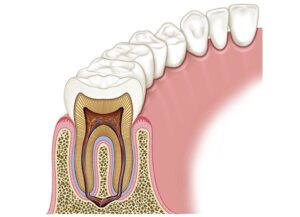
Human tooth structure
24,50 € Add to basketThe human tooth structure consists of enamel, dentin,
and pulp. Different types of teeth enable functions such as
chewing, speaking, and maintaining oral health. -
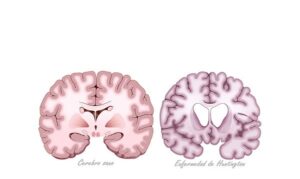
Huntington’s disease
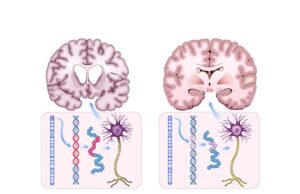
24,50 € Add to basketHuntington’s disease (HD) is a hereditary neurodegenerative
disorder that progressively affects the nervous system. This
disease is caused by a mutation in the HTT gene, located on
chromosome 4..
-
Huntington’s disease
24,50 € Add to basketHuntington’s disease has an altered function in the nervous system.
Moreover, under normal conditions, neurons maintain efficient
communication. Additionally, they support motor control and cognitive
functions. -
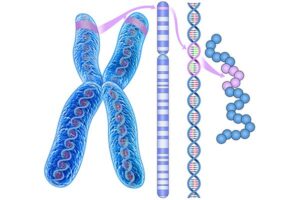
Huntington’s disease and chromosome 4
24,50 € Add to basketHuntington’s disease and chromosome 4 have an altered function
in neuronal genetic regulation. Moreover, under normal conditions,
the huntingtin gene produces a functional protein. Additionally, this
protein participates in cellular processes. -
Hyoid bone
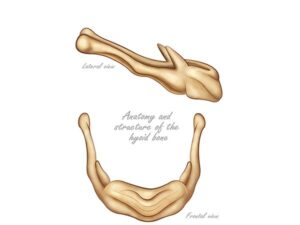
24,50 € Add to basketThe hyoid bone. It is a U-shaped structure located at the base
of the neck that does not articulate with other bones. It is situated
between the jaw and the larynx and is essential for functions such
as swallowing and speech. -
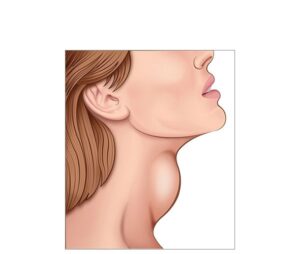
Hyperthyroidism and goiter
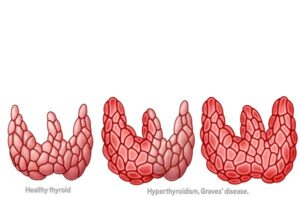
24,50 € Add to basketHyperthyroidism and goiter analyze the relationship between
excessive hormone production and irregular gland growth. The goiter
stands out as a physical manifestation that allows for visually
differentiating a healthy thyroid from an affected one. -
Hypertrophic adenoids
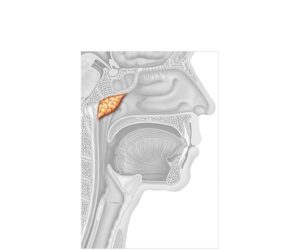
24,50 € Add to basketThe hypertrophic adenoids have an altered function in nasal breathing.
Moreover, under normal conditions, adenoids contribute to the immune
response. Additionally, they help protect the body from infections. -
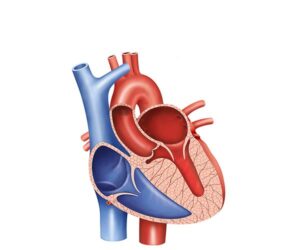
Hypertrophic cardiomyopathy
24,50 € Add to basketThe hypertrophic cardiomyopathy has an altered function in cardiac
pumping. Moreover, under normal conditions, the myocardium
maintains appropriate thickness. Additionally, it allows efficient
contraction. -
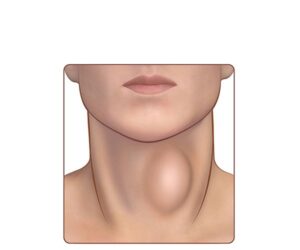
Hypertrophic thyroid
24,50 € Add to basketHypertrophic thyroid describes the goiter or enlargement of the
thyroid gland caused by hyperthyroidism. This condition results from
an abnormal immune response that generates excessive hormone
production and affects general metabolism. -
Hypertrophic thyroid gland
24,50 € Add to basketHypertrophic thyroid gland describes the goiter or irregular
growth caused by an anomalous immune response and hyperthyroidism.
This condition involves excessive hormone production that alters
metabolism and the appearance of the neck. -
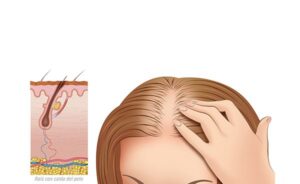
Hypothyroidism and hair loss
24,50 € Add to basketHypothyroidism and hair loss describe how the reduction of thyroid
hormones alters the hair cycle, causing the follicle to enter a resting
phase. This autoimmune disorder leads to loss of density and changes
in skin texture.