Showing 385–396 of 1048 results
-
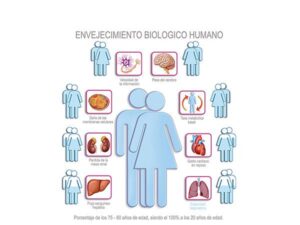
Human biological aging
24,50 € Add to basketHuman biological aging is a gradual process affecting cells
and tissues, increasing disease risk and reducing recovery
capacity over time.


-
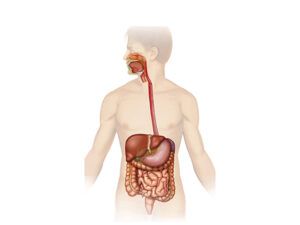
Human digestive process
24,50 € Add to basketThe human digestive process explains how food is
transformed into nutrients through the digestive
system, including the mouth, stomach, intestines, liver,
and pancreas. -
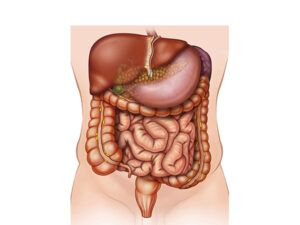
Human digestive system
24,50 € Add to basketThe human digestive system is a complex group of organs
that enables ingestion, digestion, and absorption of food,
including the mouth, stomach, intestines, and accessory
organs like the liver and pancreas. -
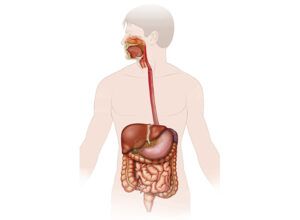
Human digestive system
24,50 € Add to basketThe human digestive system includes the mouth, esophagus,
stomach, intestines, liver, and pancreas. It enables digestion,
breakdown, and absorption of food, as well as efficient waste
elimination. -
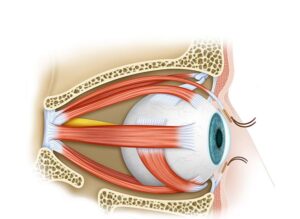
Human extraocular muscles
24,50 € Add to basketHuman extraocular muscles control the movement of the eyeball.
These six muscles work together to produce vertical, horizontal,
and rotational eye movements, allowing both eyes to coordinate
their position and maintain accurate visual tracking. -
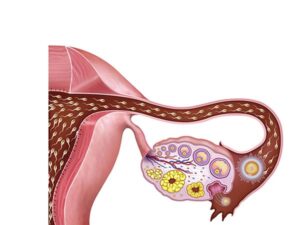
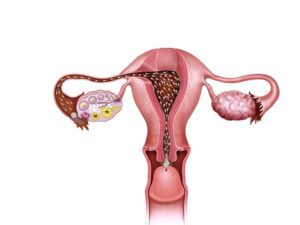
Human fertilization
24,50 € Add to basketHuman fertilization: a process where a sperm fertilizes an
egg in the fallopian tubes, forming a zygote that develops into
a blastocyst and implants in the uterus. -
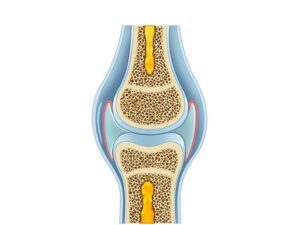
Human knee diagram
24,50 € Add to basketThe human knee. It displays its complex anatomical structure,
composed of bones, ligaments, cartilage, and muscles. The knee is
a vital joint that enables movements such as flexion and extension. -
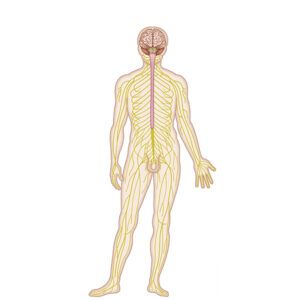
Human nervous system
24,50 € Add to basketThe human nervous system is a highly specialized network of
tissues that coordinates and regulates the functions of the body.
This system enables the organism to receive information from
the environment, process it, and generate appropriate responses. -
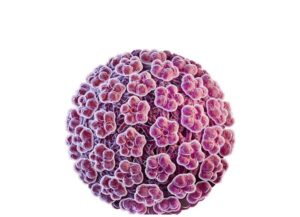
Human papillomavirus
24,50 € Add to basketHuman papillomavirus (HPV) is a common sexually transmitted
infection that can cause warts and cervical cancer, preventable with
vaccination and is detectable through screening. -
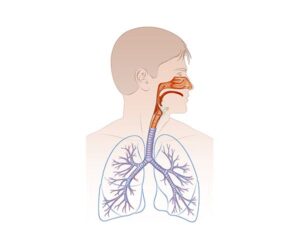
Human respiration
24,50 € Add to basketHuman respiration is a vital process that allows oxygen
to enter the lungs and carbon dioxide to leave the body. It
begins with inhalation through the airways and continues
with gas exchange in the alveoli. -
Human sexual intercourse
24,50 € Add to basketHuman sexual intercourse: a process in which reproductive
organs enable sperm transfer into the female system, allowing
egg fertilization and the beginning of embryonic development. -
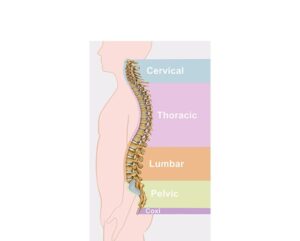
Human spinal classification
24,50 € Add to basketThe human vertebral classification consists of a
fundamental bone structure that provides support,
stability, and mobility to the body. They are organized
into: cervical, thoracic, lumbar, sacral, and coccygeal.