Showing 421–432 of 1048 results
-
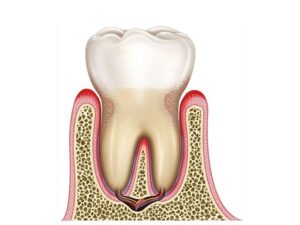
Initial periodontal phase
24,50 € Add to basketThe initial periodontal phase has an altered function in gingival
health. Moreover, under normal conditions, the gum protects dental
structures. Additionally, the periodontal ligament maintains tooth
attachment.


-
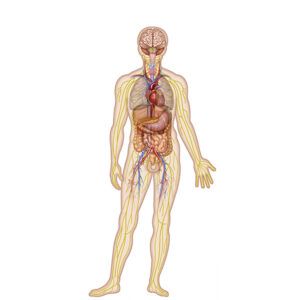
Innervation of vital organs
24,50 € Add to basketThe innervation of vital organs represents the complex
network of nerve connections that allows communication
between the central nervous system and the essential
organs of the human body. -
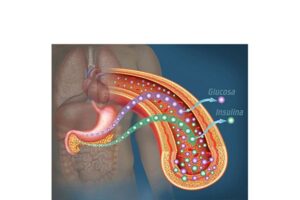
Insulin and glucose
24,50 € Add to basketInsulin and glucose regulate energy metabolism. Insulin
allows glucose to enter cells and maintains proper blood levels
sugar levels, ensuring balance and proper function of the body. -
Insulin and glucose production
24,50 € Add to basketInsulin and glucose production regulate cellular
metabolism. Insulin allows glucose to enter cells,
while glucagon maintains balance by releasing
stored glucose from the liver. -
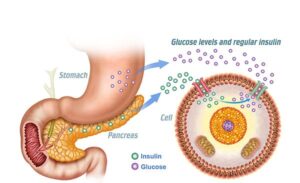
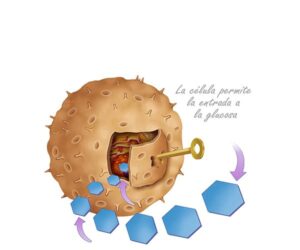
Insulin as a cellular key
24,50 € Add to basketInsulin acts as a cellular chemical key that allows the entry of glucose
into the cells. This process is essential for the production of energy,
and its alteration causes the accumulation of blood glucose, as occurs
in diabetes. -
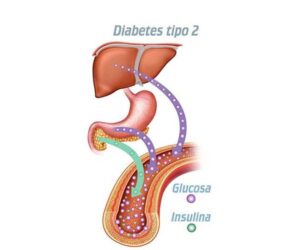
Insulin rejection
24,50 € Add to basketThe rejection of insulin involves a disruption in its production or action,
generally due to an autoimmune process. This causes accumulation of
glucose in the blood, generates metabolic symptoms, and can cause
serious complications if not treated with insulin and proper control. -
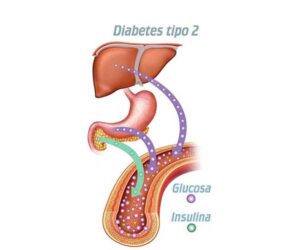
Insulin rejection
24,50 € Add to basketInsulin rejection: a condition where cells do not respond to the
hormone, causing high sugar levels. This phenomenon is linked to
obesity and lack of exercise, making its control key to avoiding type 1
diabetes and serious metabolic complications in the human body. -
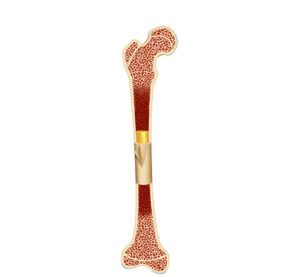
Internal anatomy of the femur
24,50 € Add to basketInternal structure of the femur. It highlights anatomical features such
as the bone marrow, the femoral neck, the bone trabeculae, and the
proximal and distal epiphyses. This diagram provides an overview of
the internal structure of the femur, with biomechanics and blood cells
production playing a fundamental role. -
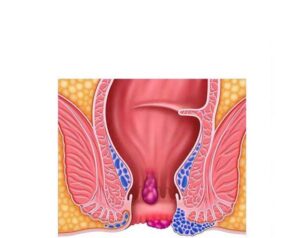
Internal and external hemorrhoids
24,50 € Add to basketInternal and external hemorrhoids. Dilation and inflammation of
the veins of the rectum and anus that cause bleeding, pain, and itching
and protrusions, being common in adults and associated with
constipation, straining during bowel movements, and unhealthy habits. -
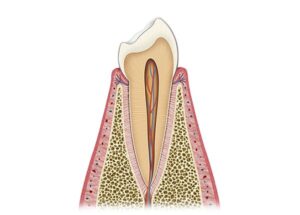
Internal dental structure
24,50 € Add to basketThe internal structure of the tooth consists of enamel,
dentin, and pulp. These layers work together to protect
the tooth, enable chewing, and transmit sensory stimuli. -
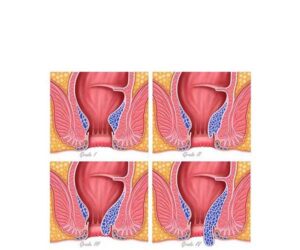
Internal hemorrhoid grades
24,50 € Add to basketDegrees of internal hemorrhoids. Classification into four levels
according to its severity, from bleeding without prolapse to
permanent prolapse, allowing for the definition of the appropriate
treatment and preventing complications through early diagnosis. -
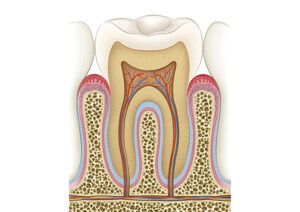
Internal molar structure
24,50 € Add to basketThe internal structure of a molar includes enamel,
dentin, and dental pulp. These tissues support chewing
and maintain tooth stability within the jawbone.