Showing 457–468 of 1048 results
-
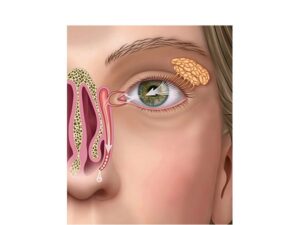
Lacrimal glands
24,50 € Add to basketLacrimal glands: structures in the upper outer eye that produce
tears, lubricate the ocular surface, remove particles, and protect
against infections with substances like antibodies.


-
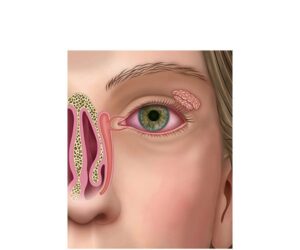
Lacrimal Sjögren’s syndrome
24,50 € Add to basketLacrimal Sjögren’s syndrome is a pathology where the immune system
attacks the glands responsible for lubrication, reducing tear production.
This autoimmune condition causes severe ocular irritation, a foreign body
sensation, and chronic facial dryness. -
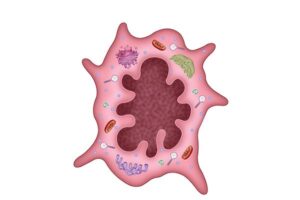
Langerhans cells
24,50 € Add to basketLangerhans cells are immune cells in the epidermis that
capture antigens and present them to lymphocytes, triggering
immune responses and protecting the body. -
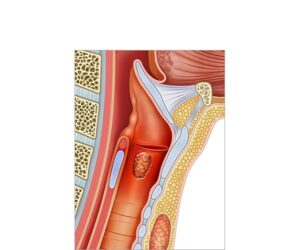
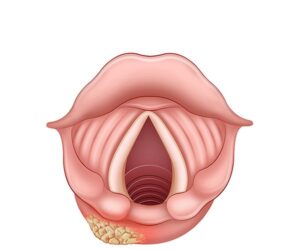
Laryngeal cancer
24,50 € Add to basketThe laryngeal cancer has an altered function in phonation.
Moreover, under normal conditions, vocal cords vibrate to
produce sound. Additionally, the larynx protects the airway
during swallowing. -
Laryngeal carcinoma
24,50 € Add to basketLaryngeal carcinoma fulfills an altered general function in the
production of the voice. In addition, under normal conditions
the the vocal cords vibrate to generate sound. Also, the larynx
regulates the passage of air into the lungs. -
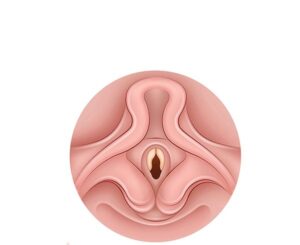
Laryngomalacia
24,50 € Add to basketThe laryngomalacia has an altered function in respiration.
Moreover, under normal conditions, the larynx remains open.
Additionally, it allows proper airflow into the lungs. -
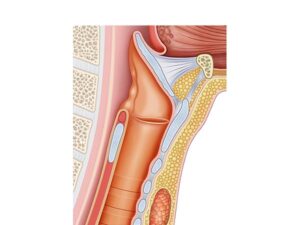
Larynx anatomy
24,50 € Add to basketLarynx anatomy: an organ of the respiratory system with vocal
cords, cartilages, and epiglottis that regulate airflow, produce voice,
and protect the airways. -
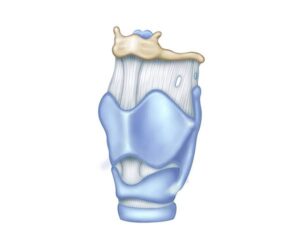
Larynx anatomy
24,50 € Add to basketLarynx anatomy: a cartilaginous organ in the neck that
regulates airflow, houses the vocal cords for phonation,
and protects airways through the epiglottis. -
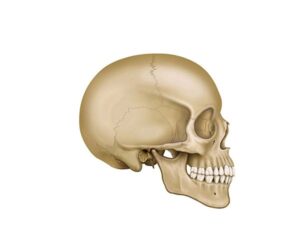
Lateral skull view
24,50 € Add to basketThe lateral skull shows frontal, parietal, and occipital bones,
protecting the brain and providing structural support and
facial shape. -
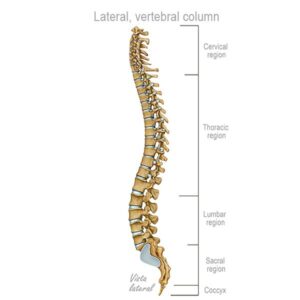
Lateral vertebral classification
24,50 € Add to basketLateral view of the vertebral column. This reveals a structure
composed of cervical (C1-C7), thoracic (T1-T12), lumbar (L1-L5),
and sacral (S1-S5) vertebrae, as well as the coccyx, which together
form the human spine. The natural curvature provides both support
and flexibility. -
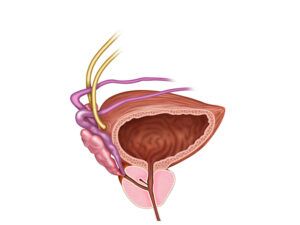
Lateral view of prostate and bladder
24,50 € Add to basketThe prostate lies below the bladder and surrounds the urethra.
It produces prostatic fluid that forms part of semen, while the
bladder stores and expels urine in the male urinary system. -
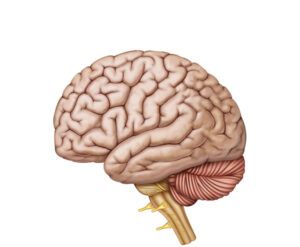
Lateral view of the brain
24,50 € Add to basketLateral view of the brain. This anatomical representation shows
the main sulci and lobes of the nervous system. The structure
includes the frontal, parietal, temporal, and occipital sectors. Each
area manages specific processes such as memory, sensory
perception, and cognition.