Showing 445–456 of 1048 results
-
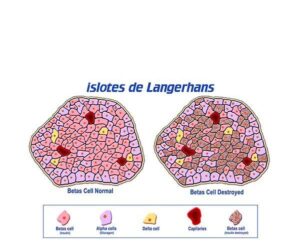
Islets of Langerhans in diabetes
24,50 € Add to basketIslets of Langerhans in diabetes: pancreatic cell groups essential
for producing insulin. Their destruction or deterioration causes serious
failures in glucose regulation. Understanding their function is vital for
treating type 1 and type 2 diabetes, ensuring proper metabolic control.


-
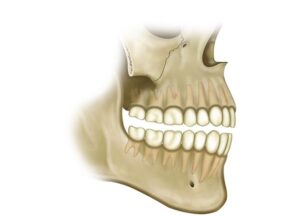
Jaw and maxilla
24,50 € Add to basketThe mandible and maxilla are facial bones that support
the teeth and enable chewing, speech, and facial stability
within the human skull. -
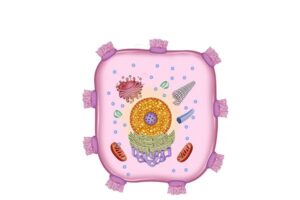
Keratinocyte cells
24,50 € Add to basketKeratinocytes are the main epidermal cells that produce
keratin and cytokines, maintaining skin barrier function,
immune defense, and regeneration. -
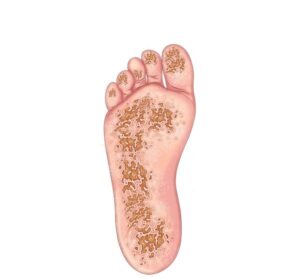
Keratoderma blennorrhagica
24,50 € Add to basketKeratoderma blennorrhagica. This illustration details the
severe skin thickening linked to reactive arthritis. The text
describes the excessive keratin formation on the palms and
soles of the feet. It also presents the need for an integrated
approach to treat these skin lesions. -
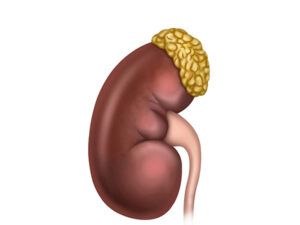
Kidney anatomy
24,50 € Add to basketKidney anatomy describes bilateral bean-shaped organs
located in the retroperitoneum. They filter blood, produce
urine, and regulate fluid, electrolyte, and pH balance in
the body. -
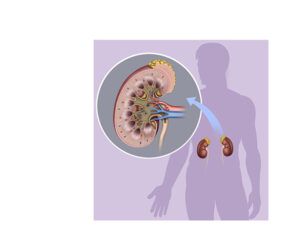
Kidney anatomy and physiology
24,50 € Add to basketKidney anatomy and physiology explain its internal
structure and functions. They include filtration, urine
formation, and regulation of water, electrolytes, and
pH, along with adrenal gland activity. -
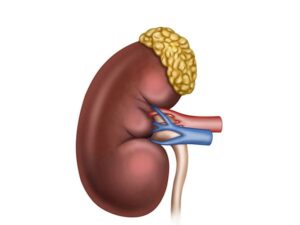
Kidney physiology
24,50 € Add to basketKidney physiology explains how these organs filter blood,
remove waste, and regulate water, electrolytes, and pH.
They also perform essential hormonal functions to maintain
body balance. -
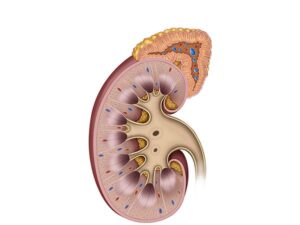
Kidney representation
24,50 € Add to basketThe kidney representation shows a sagittal section with
cortex, medulla, and renal pelvis. It helps understand
internal structure, filtration, urine formation, and fluid
regulation. -
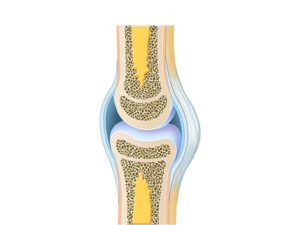
Knee and cartilage
24,50 € Add to basketThe knee and cartilage demonstrate the anatomical structure that
enables movement and shock absorption. The knee is composed
of the femur, tibia, and patella, along with the menisci and articular
cartilage, which protect the bones from wear and tear. -
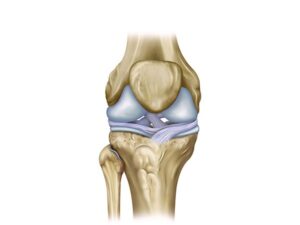
Knee cruciate ligament
24,50 € Add to basketKnee cruciate ligament. This anatomical structure joins the femur
with the tibia to provide internal stability. The anterior and posterior
cruciate ligaments are fundamental to preventing excessive bone
displacement, facilitating the diagnosis and treatment of common
joint injuries. -
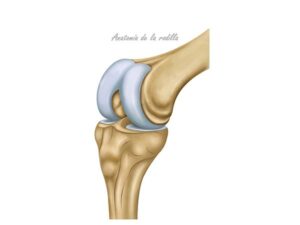
Knee function
24,50 € Add to basketKnee function. This joint acts as a complex hinge that facilitates
the flexion and extension of the leg. Its structure, composed of the
femur and tibia, supports body weight and guarantees the stability
necessary to walk, run, and perform daily activities safely. -
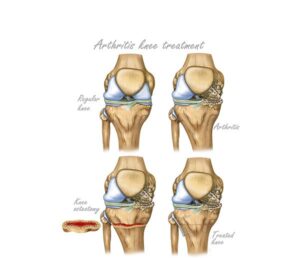
Knee osteotomy treatment
24,50 € Add to basketKnee osteotomy treatment is a surgical procedure that corrects
bone alignment to relieve pain and improve joint function. Moreover,
it redistributes load in early osteoarthritis and may delay the need for
knee replacement surgery.