Showing 493–504 of 1048 results
-
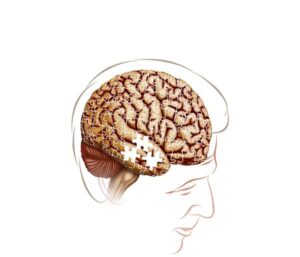
Lost memories in Alzheimer’s disease
24,50 € Add to basketThe lost memories in Alzheimer’s disease have an altered function in
cognitive processes. Moreover, under normal conditions, neurons
communicate efficiently. Additionally, they store and retrieve information.


-
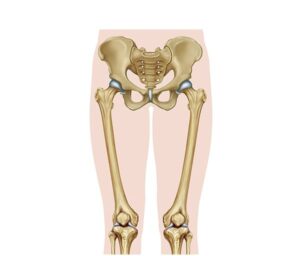
Lower limb anatomy
24,50 € Add to basketAnatomy of the lower limb. This is a complex biomechanical system
that influences the mobility and stability of the human body. The hip,
with the acetabulum and the femoral head, connects to the femur,
extending down to the knee. -
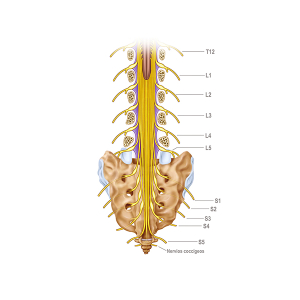
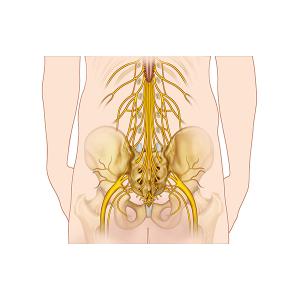
Lumbar and sacral nerves
24,50 € Add to basketThe lumbar and sacral nerves originate in the
spinal cord of the lumbar region of the spine and
are part of the peripheral nervous system. They play
a crucial role in transmitting signals between the
central nervous system -
Lumbar spinal nerves
24,50 € Add to basketThe lumbar spinal nerves originate in the spinal cord
in the lumbar region of the spine. They are part of the
peripheral nervous system plays a crucial role in
transmitting signals between the central nervous system
and the lower extremities. -
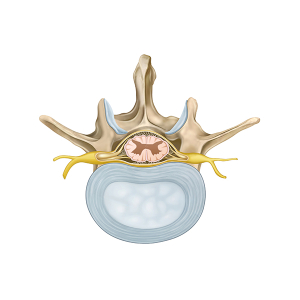
Lumbar vertebra anatomy
24,50 € Add to basketThe anatomy of the lumbar vertebra shows its robust
structure, designed to support the weight of the body
and allow flexion, extension, and rotation movements. -
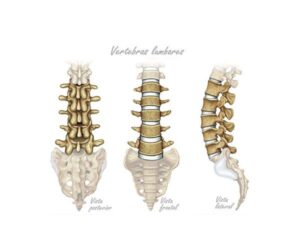
Lumbar vertebrae
24,50 € Add to basketLumbar vertebrae. The bony structures in the lower region of
the spine are shown here. These vertebrae, numbered from L1
to L5, support the weight of the torso and allow for movements
such as flexion and extension. -
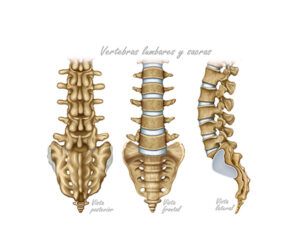
Lumbar vertebrae and sacrum
24,50 € Add to basketLumbar and sacral vertebrae. These show the bony structures
in the lower part of the spine. Numbered L1 through L5, the
lumbar vertebrae support the weight of the torso and allow for movements
such as flexion and extension. The sacrum, formed by fused vertebrae,
connects the lumbar spine to the pelvis.</p> -
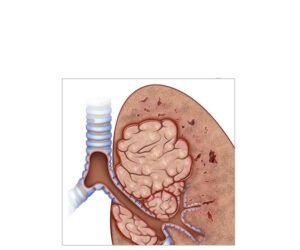
Lung cancer
24,50 € Add to basketLung cancer is a malignant disease characterized by the
abnormal growth of cells in the lungs. It causes obstruction,
reduces gas exchange, and causes respiratory symptoms. -
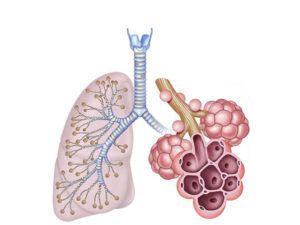
Lungs and alveoli
24,50 € Add to basketThe lungs and alveoli are key parts of the respiratory
system responsible for gas exchange. Air travels through
the trachea, bronchi, and bronchioles until it reaches the
alveoli, where oxygen enters the blood and carbon dioxide
is removed. -
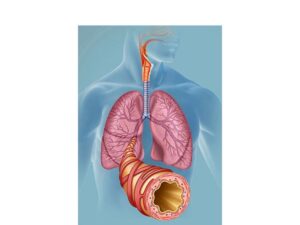
Lungs and bronchi representation.
24,50 € Add to basketThe lungs and bronchi representation shows the main
pathways of the respiratory system. Air moves from the
trachea through the bronchi and bronchioles until it
reaches the alveoli for gas exchange. -
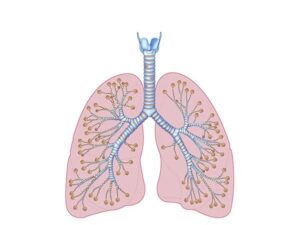
Lungs and bronchial tree
24,50 € Add to basketThe lungs and bronchial tree form the network of respiratory
airways that transport air into the lungs. It includes the trachea,
bronchi, and bronchioles that branch toward the alveoli for gas
exchange. -
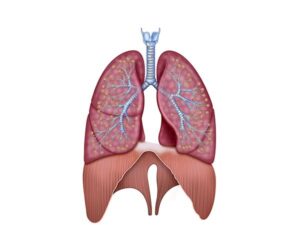
Lungs and diaphragm
24,50 € Add to basketThe lungs and diaphragm are key components of the
respiratory system. The lungs perform gas exchange,
while the diaphragm controls inhalation and exhalation.