Showing 505–516 of 1048 results
-
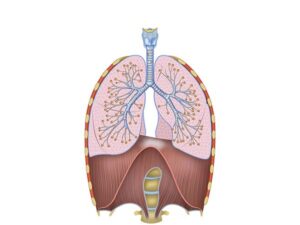
Lungs and diaphragm in respiration
24,50 € Add to basketEs un hecho establecido hace demasiado tiempo que
un lector se distraerá con el contenido del texto de un
sitio mientras que mira su diseño. El punto de usar
Lorem Ipsum


-
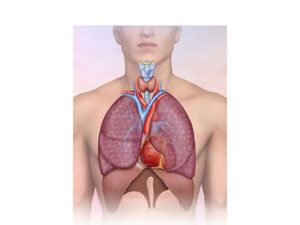
Lungs and respiratory airways
24,50 € Add to basketThe lungs and respiratory airways form a complex
system that transports air in and out of the body.
This system includes the trachea, bronchi, bronchioles,
and alveoli, where oxygen enters the bloodstream and
carbon dioxide is expelled during breathing. -
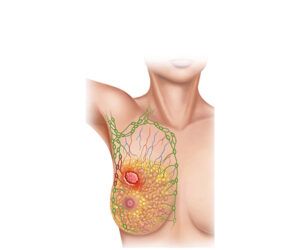
Lymphatic breast cancer
24,50 € Add to basketLymphatic breast cancer. Lymph node involvement by
tumor cells originating from breast tissue, indicating
cancer dissemination and greater clinical complexity in its
treatment. -
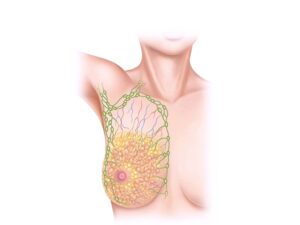
Lymphatic system of the breasts
24,50 € Add to basketThe lymphatic system of the breasts is a network of
vessels that drains lymph from breast tissue to nearby
lymph nodes. This system plays an important immune
role and is crucial for understanding the spread of
breast cancer. -
Macula and fovea
24,50 € Add to basketThe macula and fovea are central retinal regions responsible
for detailed vision. The macula supports high visual acuity,
while the fovea contains the highest density of cone cells,
allowing precise color perception and sharp central vision. -
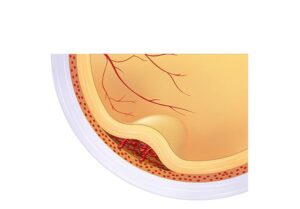
Macular Degeneration
24,50 € Add to basketMacular Degeneration (AMD) illustrates how the condition affects
the macula, the central part of the retina responsible for detailed
vision. Aging can damage the cells of the macula, leading to blurred
vision or loss of central vision. -
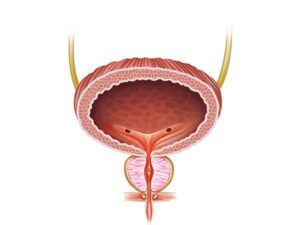
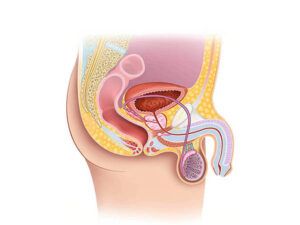
Male bladder anatomy.
24,50 € Add to basketThe male bladder is a hollow muscular organ in the
pelvis that stores urine. It is closely related to the
prostate, which surrounds the urethra and influences
urinary flow and function. -
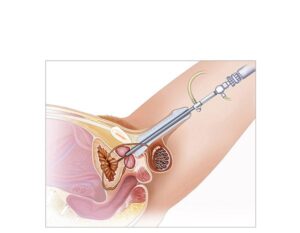
Male cystoscopy exam
24,50 € Add to basketThe male examination is a procedure that allows for the observation
of the bladder and urethra using a cystoscope. It is used to diagnose
infections, stones, and tumors, providing a direct evaluation of the
urinary system. -
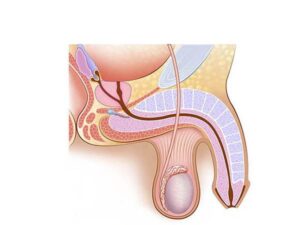
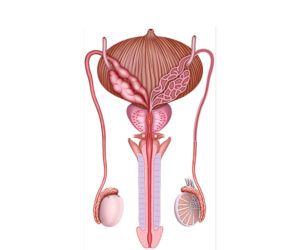
Male reproductive organs
24,50 € Add to basketMale reproductive organs include the testes, epididymis,
vas deferens, and accessory glands that produce, store,
and transport sperm, form semen, and enable ejaculation. -
Male reproductive organs
24,50 € Add to basketMale reproductive organs: produces sperm in the testes,
matures them in the epididymis, transports them through
the vas deferens forms semen and expels it through the
urethra. -
Male reproductive system
24,50 € Add to basketMale reproductive system: organs such as the testes,
epididymis, vas deferens, and urethra produce, store, and
transport sperm, form semen, and enable ejaculation. -
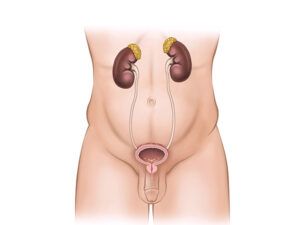
Male urinary system
24,50 € Add to basketThe male urinary system includes the kidneys, ureters,
bladder, and urethra. It filters blood, produces urine, and
allows its transport, storage, and elimination, maintaining
body balance.