Showing 373–384 of 1048 results
-
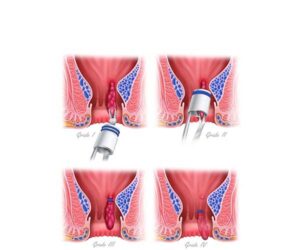
Hemorrhoid removal process
24,50 € Add to basketHemorrhoid extraction process. Minimally invasive procedure
minimally invasive through elastic band ligation that cuts off the
blood flow to the haemorrhoid, causing its reduction and fall,
relieving symptoms such as bleeding, pain, and anal discomfort.


-
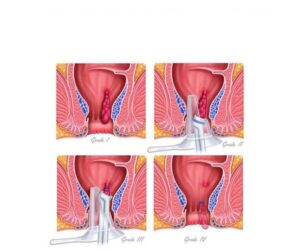
Hemorrhoid removal stages
24,50 € Add to basketStages of hemorrhoid extraction. Phased process through ligation
with an elastic band that cuts off the blood flow, causing necrosis
and detachment of the hemorrhoid, allowing its progressive removal
with minimal invasion and quick recovery. -
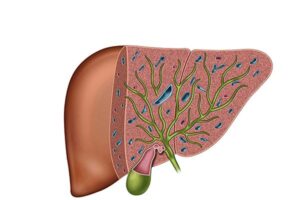
Hepatic anatomy
24,50 € Add to basketHepatic anatomy describes the structure of the liver,
a vital organ in the upper right abdomen. It is divided
into hepatic lobes and is formed by hepatocytes that
perform metabolic and detoxification functions. -
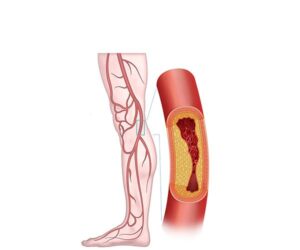
High cholesterol
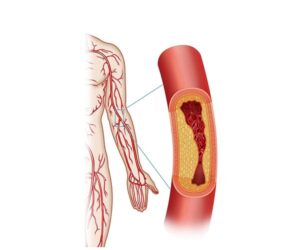
24,50 € Add to basketHigh cholesterol is an excess of lipids, especially LDL, leading
to plaque buildup in arteries, reduced blood flow, and increased
risk of heart attack, stroke, and peripheral vascular disease. -
High cholesterol level
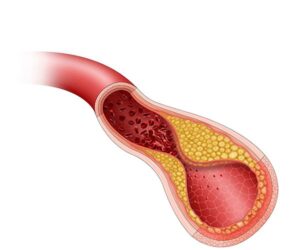
24,50 € Add to basketHigh cholesterol level is a condition with excess lipids, especially
LDL, leading to plaque buildup in arteries, reduced blood flow, and
increased risk of heart attack and stroke, requiring lifestyle changes
and medical management. -
High cholesterol level
24,50 € Add to basketHigh cholesterol level involves significant lipid buildup, especially
LDL and triglycerides, leading to plaque formation, reduced blood
flow, and increased risk of heart attack and stroke, often without
noticeable symptoms. -
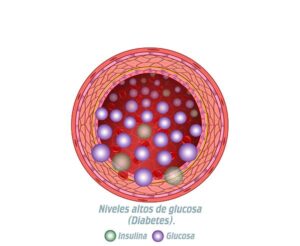
High glucose levels
24,50 € Add to basketHigh glucose levels refer to excess sugar in the bloodstream,
often linked to insulin resistance or diabetes, increasing the
risk of cardiovascular disease and long-term organ damage. -
High insulin and glucose levels
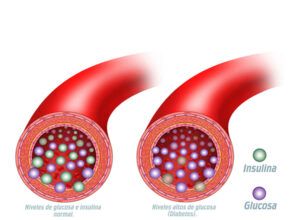
24,50 € Add to basketHigh insulin and glucose levels reflect insulin resistance, where
cells fail to absorb glucose properly, increasing blood sugar and
raising the risk of diabetes and cardiovascular complications. -
High levels of glucose
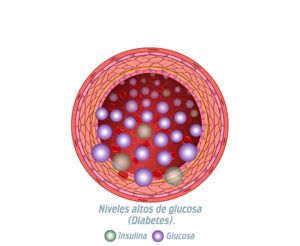
24,50 € Add to basketHigh levels of glucose: excessive accumulation of sugar in the
arteries due to a lack of insulin or hormonal resistance. This
hyperglycemic condition generates serious health risks, requiring
strict medical control in both type 1 and type 2 diabetes. -
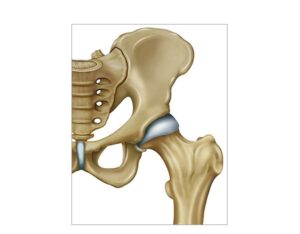
Hip and femur joint
24,50 € Add to basketHip and femur joint. The anatomical union between the acetabulum
and the femoral head allows the execution of flexion, extension, and
rotation movements. This bony structure supports the weight of the
torso and facilitates human locomotion, being vital for stability and
physical balance. -
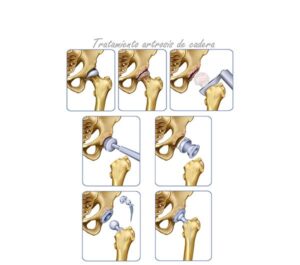
Hip osteoarthritis treatment
24,50 € Add to basketHip osteoarthritis and femoral neck treatment includes
physical therapy, medication, and prosthetic surgery. Moreover,
it aims to relieve pain and improve mobility. Treatment choice
depends on age, health status, and severity of joint damage. -
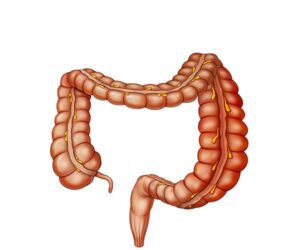
Hirschsprung disease
24,50 € Add to basketHirschsprung’s disease. It is a congenital disorder of the colon
characterized by the absence of nerve cells, which causes severe
constipation, abdominal distension, and intestinal obstruction,
requiring early surgical treatment.