Showing 601–612 of 1048 results
-
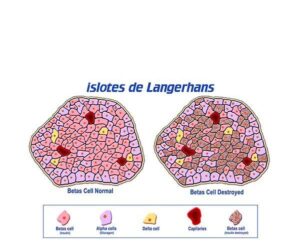
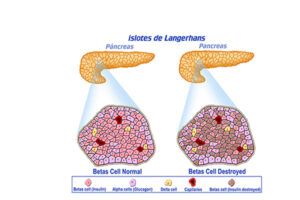
Pancreatic islets of Langerhans
24,50 € Add to basketPancreatic islets of Langerhans: pancreatic cell groups vital for
insulin production. Their destruction or exhaustion causes deficient
blood glucose regulation. Understanding their function is fundamental
for the permanent treatment of type 1 and type 2 diabetes.


-
Pancreatic physiology
24,50 € Add to basketPancreatic physiology combines digestive and endocrine
functions. The pancreas produces enzymes that break down
food and hormones like insulin and glucagon that regulate
blood glucose levels. -
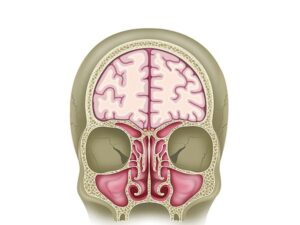
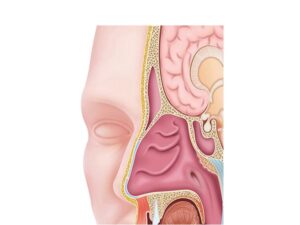
Paranasal sinuses coronal plane
24,50 € Add to basketParanasal sinuses in the coronal plane: shows the frontal sinus
in the forehead, its connection to the nasal cavity, and its roles
in voice resonance, skull protection, and air conditioning. -
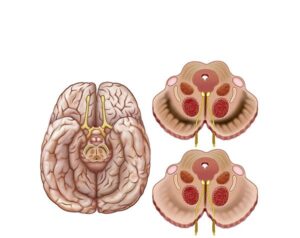
Parkinson’s and dopamine
24,50 € Add to basketMost of the dopamine in the brain is produced in the substance
black, located in the midbrain, part of the brain stem, which houses
the neurons that produce the neurotransmitter called dopamine. -
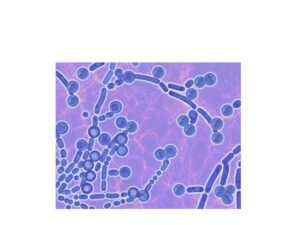
Pathogenic fungi
24,50 € Add to basketPathogenic fungi like Candida and Aspergillus cause infections
through hyphae and spores, affecting skin, organs, and respiratory
systems depending on immunity. -
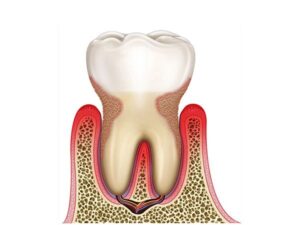
Periodontal disease
24,50 € Add to basketPeriodontal disease is a progressive condition affecting the gums and
supporting tissues, starting as gingivitis and potentially leading to
bone loss and tooth mobility if untreated. -
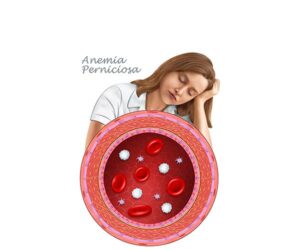
Pernicious anemia
24,50 € Add to basketPernicious anemia: an autoimmune disease in which antibodies attack
the stomach, preventing the absorption of vitamin B12. This leads to
the formation of defective red blood cells and neurological damage.
It causes fatigue and weakness, so it requires lifelong treatment with
vitamin B12 supplements to stabilize the blood and the nervous system. -
Pharyngeal inflammation
24,50 € Add to basketThe pharyngeal inflammation has an altered function in swallowing
and breathing. Moreover, under normal conditions, the pharynx
allows proper passage of air and food. Additionally, it participates
in voice production. -
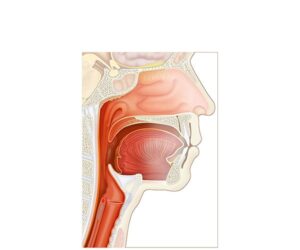
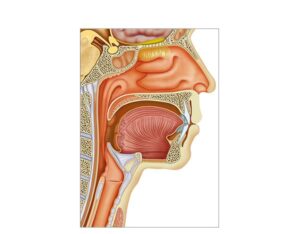
Pharynx anatomy
24,50 € Add to basketPharynx anatomy: a muscular tube in the neck connecting
the nasal and oral cavities with the larynx and esophagus,
enabling breathing, swallowing, and contributing to
phonation. -
Pharynx and larynx anatomy
24,50 € Add to basketPharynx and larynx anatomy: structures connecting the oral
and nasal cavities with the esophagus and larynx, enabling
breathing, swallowing, and voice production. -
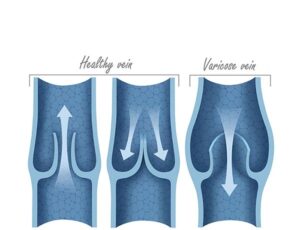
Phases of venous valves
24,50 € Add to basketPhases of venous valves. Comparison between the normal valve
and varicose veins, where the valve failure causes blood reflux,
blood accumulation, venous dilation, and symptoms such as pain,
swelling and heaviness. -
Phases of venous valves
24,50 € Add to basketPhases of venous valves in their normal and varicose state.
This technical description details the functioning of valves in
healthy veins versus damaged ones. The text explains the
process of blood reflux, blood accumulation, and the venous
dilation that characterizes varicose veins.