Showing 613–624 of 1048 results
-
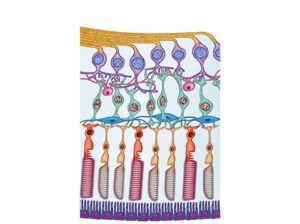
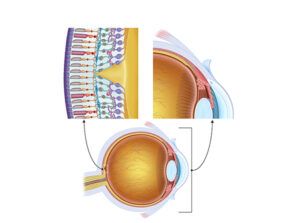
Photoreceptors cones and rods
24,50 € Add to basketPhotoreceptors in the retina include cones and rods. Cones
enable detailed color vision in bright light, while rods provide
sensitivity to dim light and support peripheral vision.


-
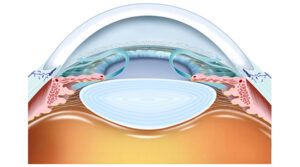
Physiology of aqueous humor
24,50 € Add to basketAqueous humor physiology explains how this fluid nourishes
the cornea and lens while maintaining intraocular pressure
through circulation and drainage. -
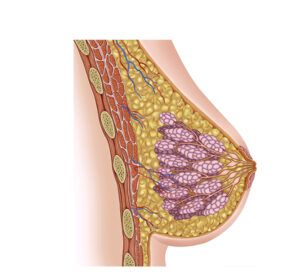
Physiology of female breasts
24,50 € Add to basketThe physiology of female breasts explains how breast tissues
function. It includes mammary glands, lactiferous ducts, and
adipose tissue, structures responsible for milk production and
transport during breastfeeding. -
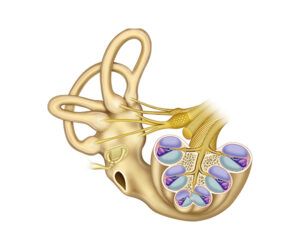
Physiology of the cochlea
24,50 € Add to basketThe physiology of the cochlea explains how sound
vibrations become electrical signals. In the organ of
Corti, hair cells detect vibrations and send impulses
through the auditory nerve to the brain for sound
interpretation. -
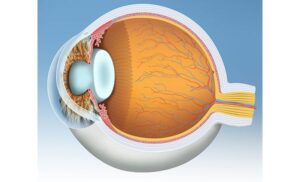
Physiology of the eye
24,50 € Add to basketEye physiology explains how the cornea, iris, pupil,
lens, retina, and optic nerve work together to capture
light and create vision. -
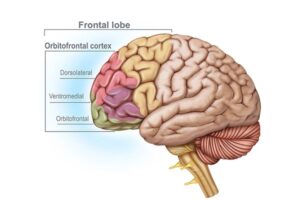
Physiology of the frontal lobe
24,50 € Add to basketIn frontal lobe physiology, we will see that it is one of
the most important regions of the human brain and
plays a fundamental role in numerous cognitive and
motor functions..
-
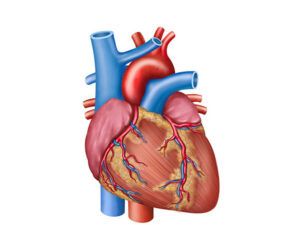
Physiology of the heart
24,50 € Add to basketThe physiology of the heart explains how blood circulates
through the body. Deoxygenated blood travels to the lungs
for oxygenation, then oxygenated blood returns to the heart
and is pumped through the aorta to supply tissues. -
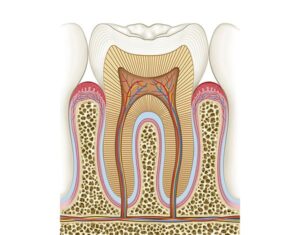
Physiology of the molar
24,50 € Add to basketMolars have a multilayer structure including enamel,
dentin and pulp. Their crowns grind food while roots
anchor the tooth to the jaw through the periodontal
ligament. -
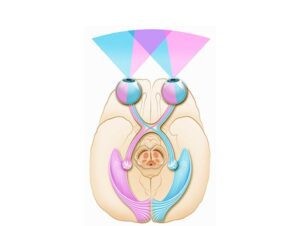
Physiology of the visual system
24,50 € Add to basketThe physiology of the visual system explains how the eye, The
optic nerve and the brain work together to convert light into
nerve signals that allow humans to perceive images and
interpret the visual world. -
Physiology of vision
24,50 € Add to basketVisual physiology explains how the eye captures light and
converts it into nerve signals processed by the brain. This
process includes focusing light on the retina, transmitting
signals through the optic nerve and perceiving color, contrast
and brightness. -
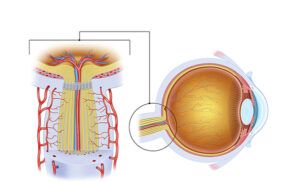
Physiology Optic Nerve
24,50 € Add to basketThe optic nerve carries visual signals from the retina to
the brain. These electrical impulses are processed in the
visual cortex, allowing the brain to interpret light, color,
and shapes as visual images. -
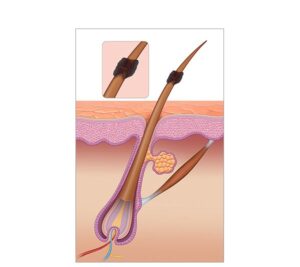
Piedraia hortae infection
24,50 € Add to basketPiedraia hortae infection is a superficial fungal condition causing
dark, hard nodules on the hair shaft. Moreover, it mainly affects the
scalp and may lead to hair fragility without significant inflammation.