Showing 625–636 of 1048 results
-
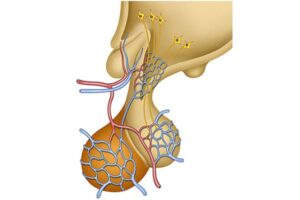
Pituitary gland
24,50 € Add to basketThe pituitary gland is a small endocrine gland
located at the base of the brain. Moreover, it plays
a central role in regulating the endocrine system.


-
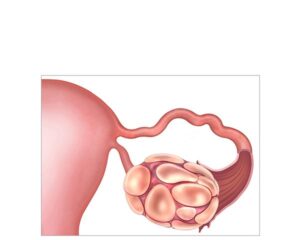
Polycystic ovaries
24,50 € Add to basketPolycystic ovaries are a hormonal condition where multiple cysts
develop in the ovaries. It causes hormonal imbalance, irregular cycles,
excess hair growth, and may affect fertility and metabolism. -
Posterior vertebral organization
24,50 € Add to basketPosterior view of the vertebral structure, highlighting its essential
function for mobility. Composed of cervical (C1-C7), thoracic (T1-T12),
lumbar (L1-L5), and sacral (S1-S5) vertebrae, and the coccyx, this
structure extends from the nape of the neck to the base of the back. -
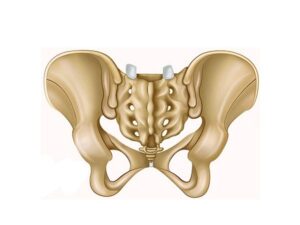
Posterior view of the hip
24,50 € Add to basketPosterior view of the hip. This vital joint connects the femur
to the sacrum, a triangular bone at the base of the spine. This
complex connection allows essential movements such as flexion
and rotation. -
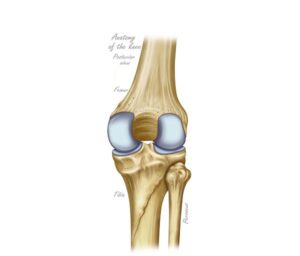
Posterior view of the knee
24,50 € Add to basketPosterior view of the knee. Technical illustration detailing the
back of the joint, including the femur, tibia, and fibula. The image
shows the structures necessary for flexion and leg biomechanics,
serving as an essential tool for evaluating functions and injuries. -
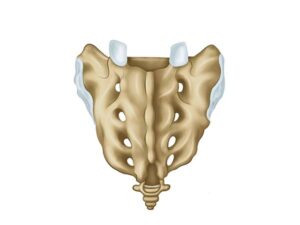
Posterior view of the sacrum
24,50 € Add to basketPosterior view of the sacrum: the triangular region at the bottom
of the spine. Numbered S1-S5, it features the median sacral crest,
intermediate and lateral crests, and four pairs of posterior sacral
foramina. -
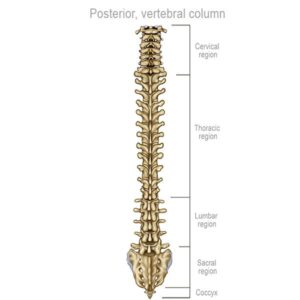
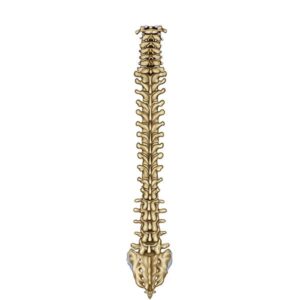
Posterior view of the spine
24,50 € Add to basketPosterior view of the spine. This structure is essential for mobility
and comprises the cervical vertebrae (C1–C7), thoracic (T1–T12),
lumbar (L1–L5), sacral (S1–S5), and coccyx. From the nape of the
neck to the lower back, it provides support and houses the spinal cord. -
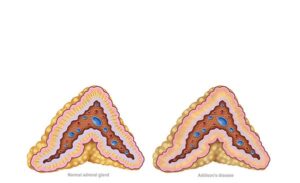
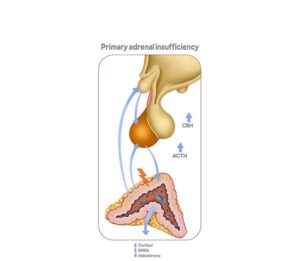
Primary adrenal insufficiency
24,50 € Add to basketPrimary adrenal insufficiency: a disorder where the adrenal glands
lose activity in the glomerular and fascicular layers. This prevents cortisol
and aldosterone production due to immune failure. It requires lifelong
hormonal treatment to regulate metabolism and blood pressure. -
Primary adrenal insufficiency
24,50 € Add to basketPrimary adrenal insufficiency: a disorder where the adrenal glands
do not produce cortisol or aldosterone due to autoimmune damage or
infection. It causes fatigue, hypotension, and skin darkening. Treatment
consists of lifelong hormone replacement to stabilize metabolism and
blood pressure. -
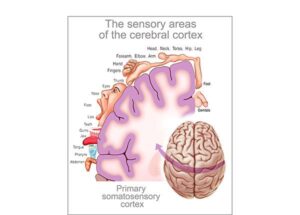
Primary somatosensory cortex
24,50 € Add to basketThe primary somatosensory cortex is a fundamental region
of the brain responsible for processing sensory information
from different parts of the body related to touch, pressure,
temperature, and other bodily sensations..
-
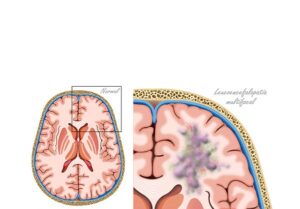
Progressive multifocal leukoencephalopathy
24,50 € Add to basketProgressive multifocal leukoencephalopathy is a serious brain
infection that destroys myelin in people with weakened immune
systems. This pathology, caused by the JC virus, triggers white
matter lesions that disrupt nerve transmission and cause permanent
neurological damage. -
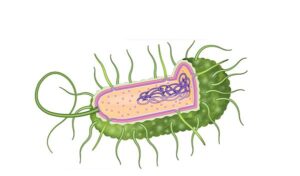
Prokaryotic cell structure
24,50 € Add to basketProkaryotic cells are unicellular organisms without a nucleus,
containing circular DNA, ribosomes, and a cell wall, enabling
basic functions and rapid adaptation.