Showing 637–648 of 1048 results
-
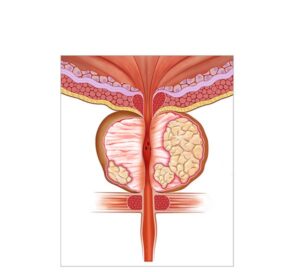
Prostate cancer
24,50 € Add to basketProstate cancer is a malignant growth in the prostate gland that
may be asymptomatic early. It can cause urinary difficulties, pain,
and blood in urine, requiring diagnosis with PSA tests and biopsy.


-
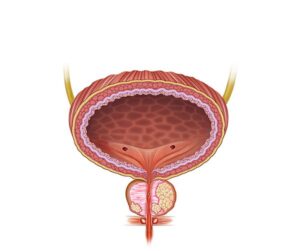
Prostate cancer
24,50 € Add to basketProstate cancer is a malignant tumor affecting the prostate gland.
It may be asymptomatic early, but it can cause urinary symptoms,
pain, and hematuria, requiring diagnosis with PSA testing and biopsy. -
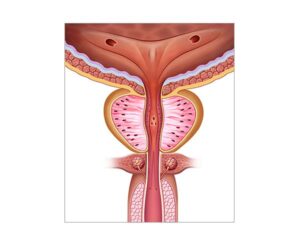
Prostate physiology
24,50 € Add to basketThe prostate produces prostatic fluid, a key part of semen.
During ejaculation, it mixes with sperm, supporting their
mobility and contributing to male reproductive function. -
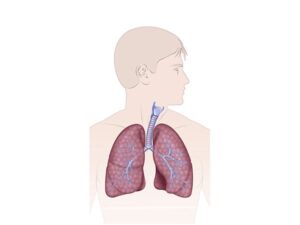
Pulmonary anatomy
24,50 € Add to basketPulmonary anatomy illustrates the structure and position
of the lungs within the thoracic cavity. It includes bronchi,
bronchioles, and alveoli, which enable oxygen and carbon
dioxide exchange. -
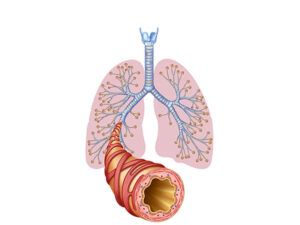
Pulmonary bronchi
24,50 € Add to basketPulmonary bronchi are the main airways within the lungs.
They originate from the division of the trachea and branch
into smaller bronchi and bronchioles that distribute air
throughout the lung tissue. -
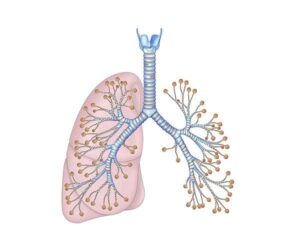
Pulmonary bronchial branching
24,50 € Add to basketPulmonary bronchial branching shows how the trachea
divides into primary bronchi, which then branch into
secondary bronchi and bronchioles to distribute air
throughout the lungs. -
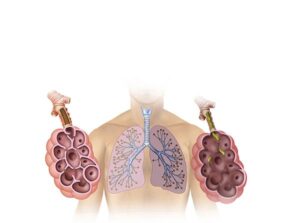
Pulmonary emphysema
24,50 € Add to basketPulmonary emphysema is a chronic disease that destroys
the alveoli and reduces lung elasticity. This makes it difficult
to breathe, decreases gas exchange, and causes dyspnea
and progressive fatigue. -
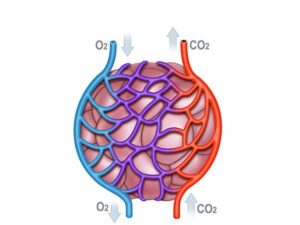
Pulmonary hematosis
24,50 € Add to basketPulmonary hematosis is the process of gas exchange
in the lungs. It allows oxygen to enter the blood while carbon
dioxide is removed during breathing. -
Pulmonary pleural inflammation
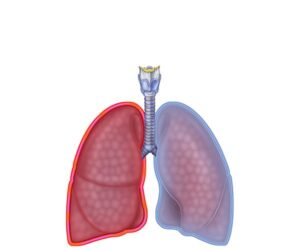
24,50 € Add to basketPneumothorax refers to the inflammation of the membrane
surrounding the lungs, causing sharp pain when breathing
and shortness of breath. This condition can lead to a pleural
effusion or fluid buildup, requiring an accurate diagnosis of
the underlying cause. -
Pulmonary respiration
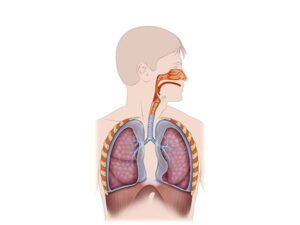
24,50 € Add to basketPulmonary respiration is the process by which the body
takes oxygen from the air and removes carbon dioxide.
This exchange of gases occurs in the lungs and supports
normal cellular function. -
Pulmonary respiration
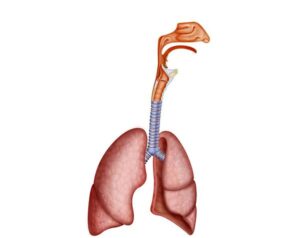
24,50 € Add to basketPulmonary respiration is the process by which air
passes through the pharynx, trachea, bronchi, and
bronchioles to reach the lungs, where gas exchange
occurs. -
Pulmonary tuberculosis infection
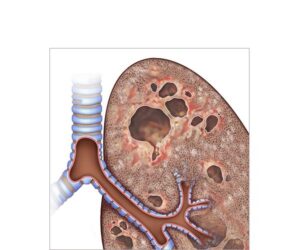
24,50 € Add to basketPulmonary tuberculosis is a bacterial infection that damages
the lungs. It causes lesions, hinders gas exchange, and generates
symptoms such as persistent cough, fever, and fatigue.
Early detection and adherence to treatment are essential to avoid
complications.