Showing 697–708 of 1048 results
-
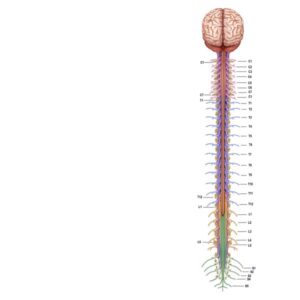
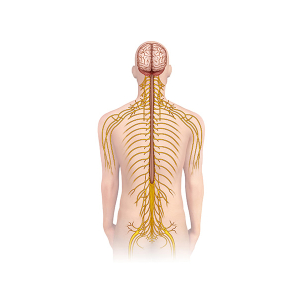
Spinal cord anatomy
24,50 € Add to basketThe spinal cord is a crucial part of the central nervous
system. First, it extends from the brain to the interior
of the vertebral column. Additionally, it is composed
of nerves and specialized nervous tissue.


-
Spinal cord outline
24,50 € Add to basketA spinal nerve diagram illustrates the organization of these
important structures within the human nervous system.
Spinal nerves originate directly from the spinal cord and exit
through the intervertebral spaces of the vertebral column. -
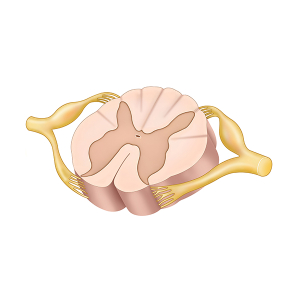
Spinal cord segment
24,50 € Add to basketThe spinal cord segment represents its
anatomical structure, including gray and
white matter, spinal nerves, and nerve roots.
This structure is fundamental for the
transmission of signals between the brain
and the body. -
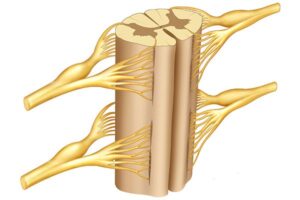
Spinal cord structure
24,50 € Add to basketThe structure of the spinal cord shows its segmented
organization and main components. First, it includes
the gray matter, which contains neuronal cell bodies.
-
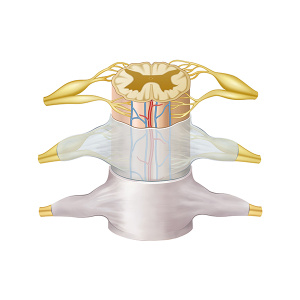
Spinal nerve branches
24,50 € Add to basketSpinal nerve branches play a fundamental role in the
organization of the human nervous system. These
nerves emerge directly from the spinal cord through
the intervertebral spaces of the vertebral column. -
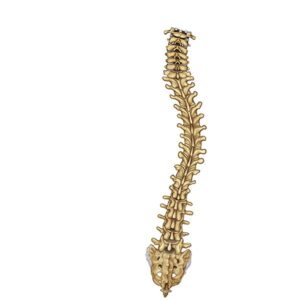
Spine with scoliosis
24,50 € Add to basketThe spine with scoliosis has an altered function in body alignment.
Moreover, under normal conditions, the spine maintains balanced
physiological curves. Additionally, it distributes weight evenly.
Furthermore, it ensures body stability. -
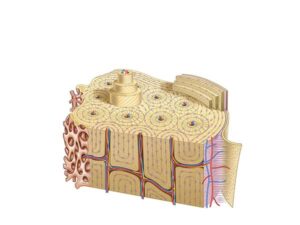
Spongy bone structure
24,50 € Add to basketStructure of cancellous bone. Also known as trabecular bone
tissue, it forms the inner part of bones and is characterized by a
porous, network-like structure. It consists of bone trabeculae
arranged irregularly, creating spaces filled with bone marrow. -
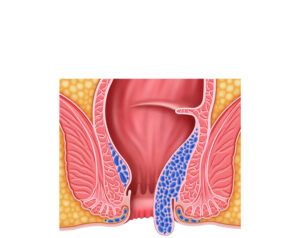
Stage 4 hemorrhoids
24,50 € Add to basketHemorrhoids stage 4. Advanced stage with permanent prolapse,
intense pain and persistent bleeding, which may include thrombosis
and complications, requiring medical or surgical treatment to
alleviate symptoms and improve quality of life. -
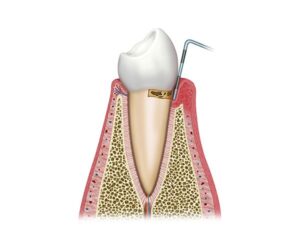
Stage II periodontitis
24,50 € Add to basketThe stage II periodontitis has an altered function in dental
support. Moreover, under normal conditions, the gums and
bone keep the tooth stable. Additionally, the periodontal
ligament distributes chewing forces. -
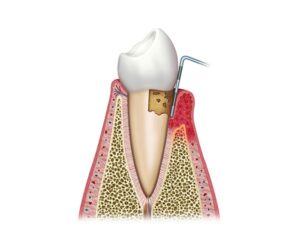
Stage III periodontitis
24,50 € Add to basketThe stage III periodontitis has an altered function in dental support.
Moreover, under normal conditions, gums and bone maintain tooth
stability. Additionally, the periodontal ligament distributes chewing
forces. -
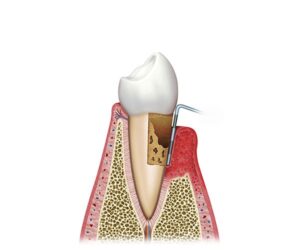
Stage IV periodontitis
24,50 € Add to basketThe stage IV periodontitis has a severely altered function in dental
support. Moreover, under normal conditions, alveolar bone and
gums maintain tooth stability. Additionally, the periodontal ligament
distributes chewing forces. -
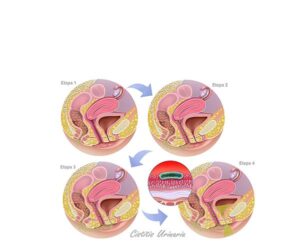
Stages of bacterial cystitis
24,50 € Add to basketThe stages of bacterial cystitis describe how bacteria such as
E. coli ascend thru the urethra to the bladder, adheres to its
walls and cause inflammation, pain, and urinary symptoms,
requiring antibiotic treatment to avoid complications.