Showing 709–720 of 1048 results
-
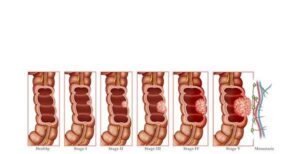
Stages of colorectal cancer
24,50 € Add to basketStages of colorectal cancer. It represents the progression of the tumor
from early to advanced stages in the colon and rectum, causing bleeding,
intestinal changes, and weight loss, making early detection crucial.
early detection.


-
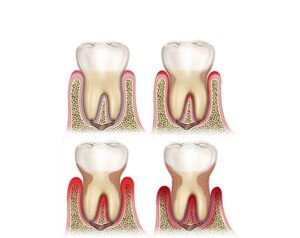
Stages of periodontitis
24,50 € Add to basketThe stages of periodontitis have a general function in disease
classification. Moreover, under normal conditions, gums and
bone maintain tooth stability. Additionally, the periodontal
ligament distributes forces. Furthermore, they ensure oral health. -
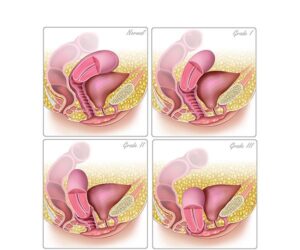
Stages of uterine prolapse
24,50 € Add to basketStages of uterine prolapse describe the progressive descent of the
uterus from its normal position to protrusion outside the vagina,
causing pelvic pressure, discomfort, and urinary issues, depending
on severity. -
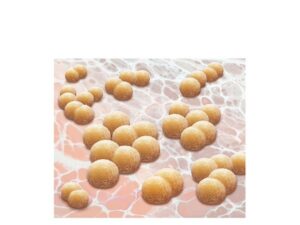
Staphylococcus aureus bacteria
24,50 € Add to basketStaphylococcus aureus is a common skin and nasal bacterium
that can cause infections, spread by contact, and sometimes
show antibiotic resistance. -
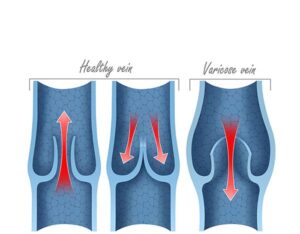
States of venous valves
24,50 € Add to basketVenous valve states. Comparison between the normal valve
and varicose veins, where the valve failure causes blood reflux,
blood accumulation, venous dilation, and symptoms such as
pain, swelling, and heaviness. -
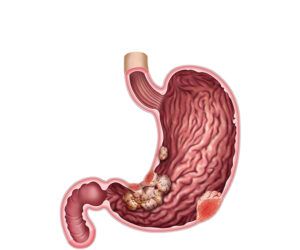
Stomach cancer
24,50 € Add to basketStomach cancer. It represents the formation of malignant tumors
in the gastric mucosa that disrupts digestion, causing abdominal pain
pain, weight loss, and digestive symptoms, with a risk of progression if
not detected in time. -
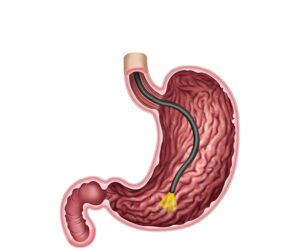
Stomach endoscopy
24,50 € Add to basketStomach endoscopy. A diagnostic procedure that allows observing the
gastric interior using an endoscope, facilitating the detection of ulcers,
inflammation, and tumors, as well as the taking of biopsies for an
accurate diagnosis. -
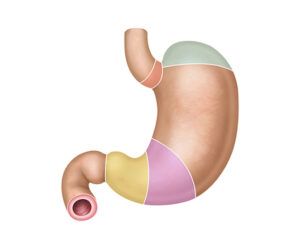
Stomach sections
24,50 € Add to basketThe stomach sections include cardia, fundus, body, antrum,
and pylorus. Each region plays a key role in digestion, food
storage, mixing, and controlling the passage of food into the
small intestine. -
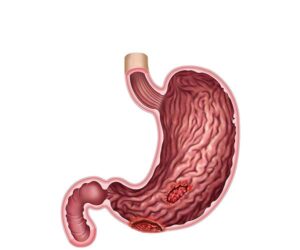
Stomach ulcer
24,50 € Add to basketStomach ulcer. A lesion in the gastric mucosa caused by
Helicobacter pylori or anti-inflammatories, which cause
abdominal pain, acidity, and indigestion, which can lead
to complications if not treated properly. -
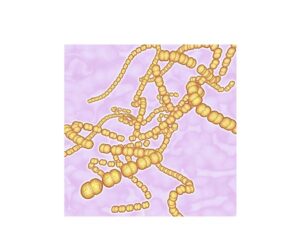
Streptococcus bacteria
24,50 € Add to basketStreptococcus bacteria show cells and tissues, explaining
transmission, respiratory infections, and antibiotic control
processes. -
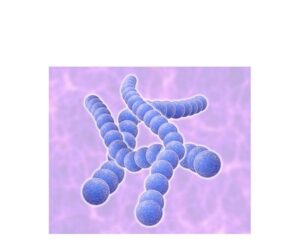
Streptococcus pyogenes bacteria
24,50 € Add to basketStreptococcus pyogenes is a Gram-positive bacterium causing
throat and skin infections, spreading through direct contact and
potentially leading to serious complications. -
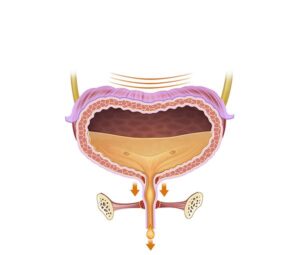
Stress urinary incontinence
24,50 € Add to basketStress urinary incontinence is the involuntary leakage of urine
during activities that increase abdominal pressure, such as coughing
or lifting. Moreover, it is caused by pelvic floor weakness. Treatment
includes exercises, lifestyle changes, and surgery in severe cases.