Showing 745–756 of 1048 results
-
template (Copy)
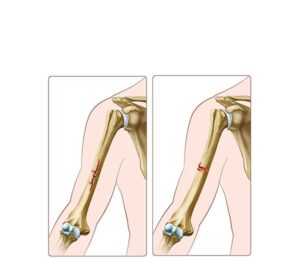
24,50 € Add to basketIncomplete and linear fracture includes partial or straight
bone breaks, commonly seen in trauma and pediatric patients.
Moreover, greenstick fractures occur due to bone flexibility and
may present with pain, swelling, and limited movement.


-
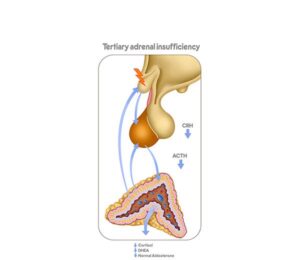
Tertiary adrenal insufficiency
24,50 € Add to basketTertiary adrenal insufficiency: a disorder caused by a hypothalamic
failure that prevents the pituitary gland from releasing ACTH. It
commonly stems from prolonged steroid use, causing a lack of cortisol,
fatigue, and weakness. It requires careful management to reactivate the
body’s natural hormonal axis. -
Testicular anatomy
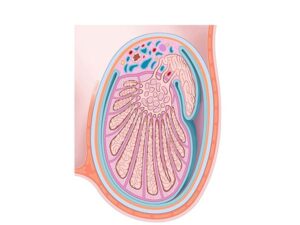
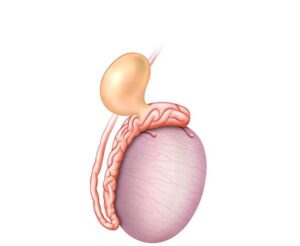
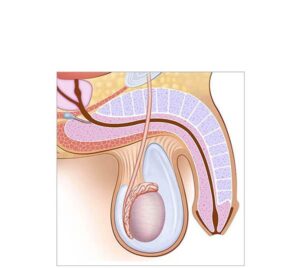
24,50 € Add to basketTesticular anatomy: an organ in the scrotum that produces sperm
in seminiferous tubules and testosterone in Leydig cells, with the
epididymis is responsible for sperm maturation and transport. -
Testicular anatomy
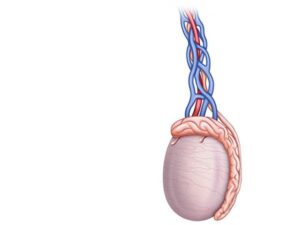
24,50 € Add to basketTesticular anatomy: an organ in the scrotum that produces
sperm in the seminiferous tubules and testosterone in the Leydig
cells, with the epididymis is responsible for sperm maturation
and transport. -
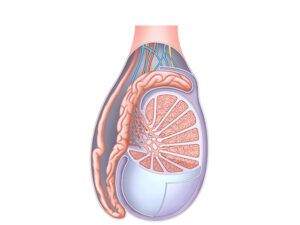
Testicular coronal plane
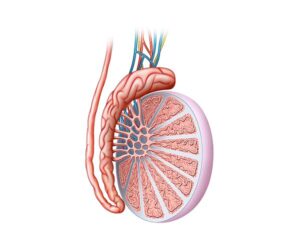
24,50 € Add to basketTesticular coronal plane: anatomical view showing
seminiferous tubules and Leydig cells, allowing analysis
of sperm production, testosterone secretion, and male
reproductive health. -
Testicular cysts
24,50 € Add to basketTesticular cysts are benign fluid-filled sacs, usually arising from the
epididymis. They are often asymptomatic but may cause discomfort or
heaviness. Diagnosis is clinical and ultrasound-based, and treatment
depends on symptoms. -
Testicular hydrocele
24,50 € Add to basketThe testicular hydrocele is an accumulation of fluid around the
testicle that causes scrotal swelling. It is usually painless, but may
require treatment if it persists or causes discomfort, including
aspiration or surgery. -
Testicular physiology
24,50 € Add to basketTesticular physiology: includes sperm production in
seminiferous tubules, testosterone secretion by Leydig
cells, and sperm maturation and transport through the
epididymis and vas deferens. -
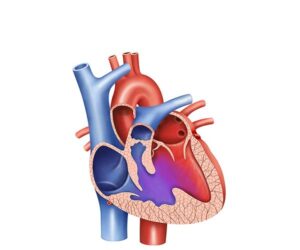
Tetralogy of Fallot
24,50 € Add to basketThe Tetralogy of Fallot has an altered function in blood oxygenation.
Moreover, under normal conditions, the heart separates oxygenated
and deoxygenated blood. Additionally, it allows efficient circulation. -
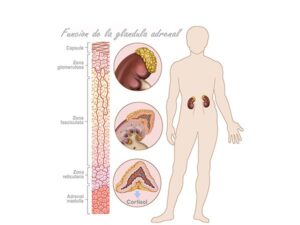
The adrenal gland
24,50 € Add to basketThe adrenal gland sits above each kidney and consists
of the cortex and medulla. It produces hormones like
cortisol, aldosterone, and adrenaline, regulating
metabolism, blood pressure, and stress response. -
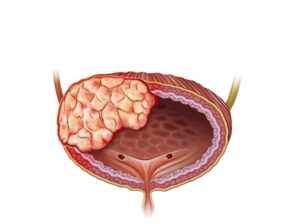
The advanced bladder tumor
24,50 € Add to basketAdvanced bladder tumor is a malignant growth that invades
deep bladder layers and may spread to nearby tissues. Moreover,
it is linked to smoking and chemical exposure. Symptoms include
hematuria and pelvic pain, and treatment involves surgery,
chemotherapy, or immunotherapy. -
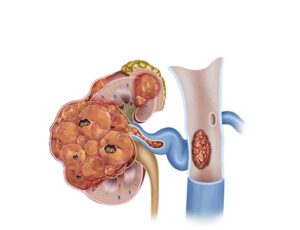
The advanced kidney cancer
24,50 € Add to basketAdvanced kidney cancer is a stage where the tumor spreads
beyond the kidney to the lymph nodes and distant organs. Moreover,
it may cause pain, hematuria, and weight loss. Treatment includes
immunotherapy, targeted therapies, and multidisciplinary management.