Showing 757–768 of 1048 results
-
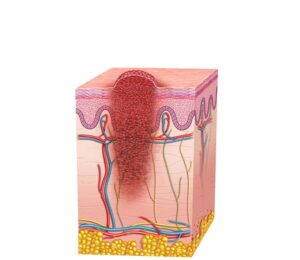
The advanced melanoma
24,50 € Add to basketAdvanced melanoma is an aggressive stage of skin cancer with
invasive growth and spread to tissues and organs. Moreover, it
presents with extensive pigmented lesions, structural changes, and
high metastatic potential.


-
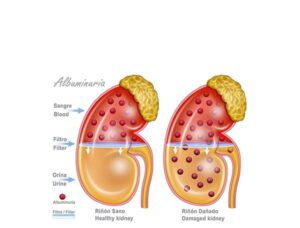
The albumin and albuminuria
24,50 € Add to basketAlbumin and albuminuria indicate the presence of proteins in
the urine, albumin is a normal protein in the blood, while that
albuminuria is the abnormal presence of that protein, the
treatment aims to control the cause and preserve renal function. -
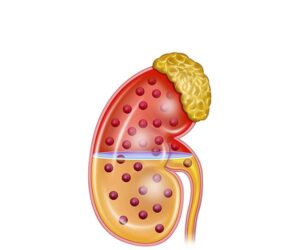
The albuminuria in urine
24,50 € Add to basketAlbuminuria in urine is the abnormal presence of albumin,
indicating early kidney damage. Moreover, it is linked to diabetes
and hypertension. Diagnosis is through urine tests, and treatment
focuses on controlling underlying causes and preserving kidney
function. -
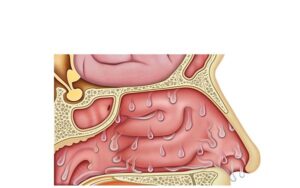
The allergic rhinitis
24,50 € Add to basketThe allergic rhinitis has an altered function in nasal breathing.
Moreover, under normal conditions, the nasal mucosa filters
particles. Additionally, it regulates air humidity. Furthermore,
it protects the respiratory system. -
The amblyopia
24,50 € Add to basketAmblyopia is described as a condition in which one eye does
not develop properly during childhood, also known as “lazy eye.”
This leads to reduced vision even with optical correction. -
The amblyopic vision
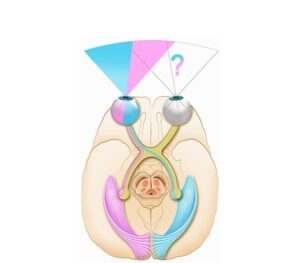
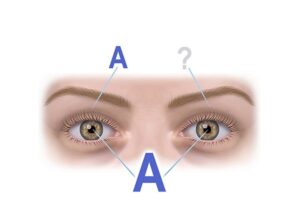
24,50 € Add to basketVision with amblyopia, a condition in which one eye does not
develop correctly during childhood, causing a decrease in vision
even with optical correction. Strabismus or differences in the
graduation between both eyes can contribute to this condition. -
The amblyopic vision
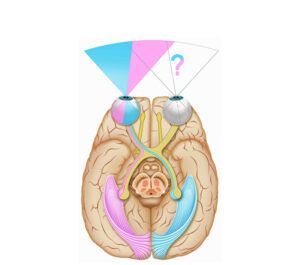
24,50 € Add to basketThe vision in amblyopia, also called “lazy eye“, shows a
condition in which one of the eyes does not develop properly
in childhood, resulting in decreased vision even with optical
correction. -
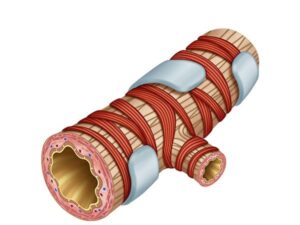
The anatomy of the bronchiole
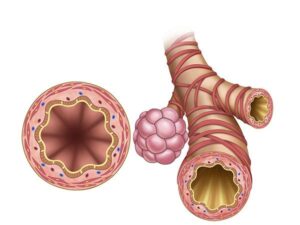
24,50 € Add to basketThe anatomy of the bronchiole is characterized by
the absence of hyaline cartilage and walls surrounded
by smooth muscle, allowing regulation of airflow toward
the alveoli during breathing. -
The anatomy of the bronchiole
24,50 € Add to basketThe anatomy of the bronchi and bronchioles shows
how bronchi contain hyaline cartilage that keeps
airways open, while bronchioles regulate airflow
toward the pulmonary alveoli. -
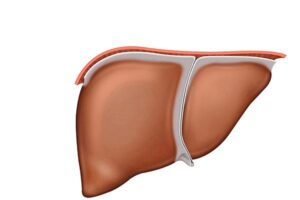
The anatomy of the liver
24,50 € Add to basketThe anatomy of the liver shows a vital organ located on
the right side of the abdomen. It is divided into hepatic
lobes and made of hepatocytes, which perform metabolic,
digestive, and detoxification functions. -
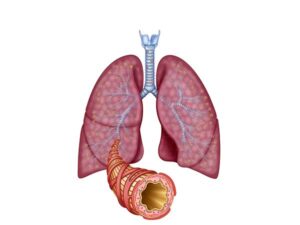
The anatomy of the lungs and bronchi
24,50 € Add to basketThe anatomy of the lungs and bronchi shows how
air travels through the trachea, bronchi, and bronchioles,
and alveoli, allowing oxygen and carbon dioxide exchange
during breathing. -
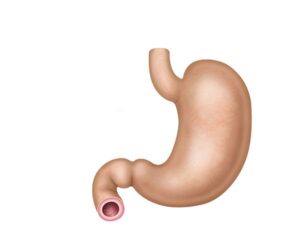
The anatomy of the stomach
24,50 € Add to basketThe anatomy of the stomach shows a sac-shaped organ
located in the upper abdomen. It is divided into the cardia,
fundus, body, and pylorus, which participate in the
digestion of food.